What Is a Binder in Cooking? A Complete Guide to Types and Uses
Anyone who’s made the burgers in a recipe that crumbled when cooked on the grill or a sauce which did not thicken regardless of how long it simmered has probably experienced the idea of a binder without having a clue about its name. Binders are among the quiet kitchen appliances that are rarely mentioned in daily conversations, yet nearly every recipe requires the use of one in some fashion. This guide explains exactly what a binder actually is as well as the different kinds that are used in various recipes and the best way to pick the appropriate one for what you’re cooking.
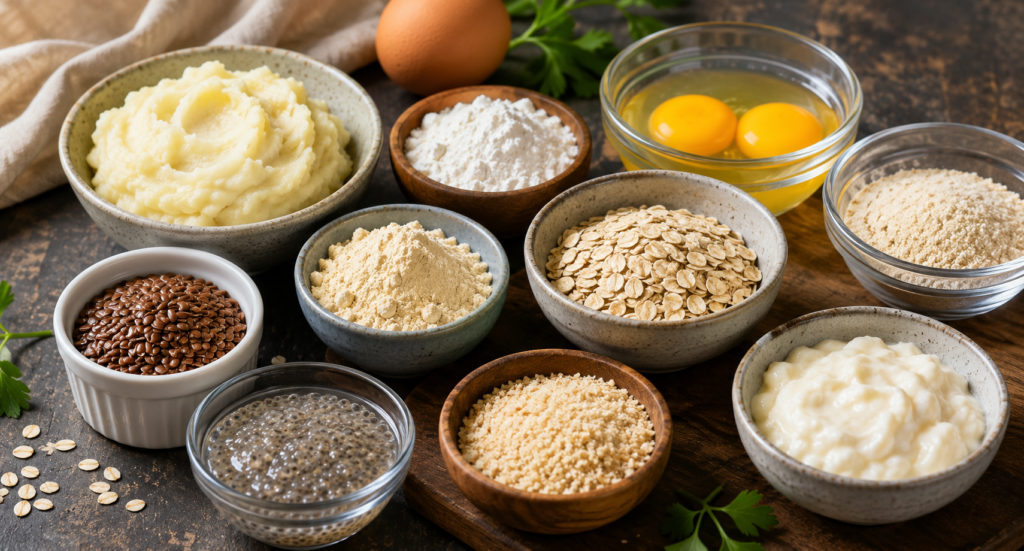
What is a binder in cooking? Discover the different types of binders, how they work, and when to use each one to get better results in the kitchen.
What Does “Binder” Actually Mean in Cooking
In simplest terms, binders are any ingredients that is added to a dish to keep the other components together, to thicken a liquid or to create a consistent texture that isn’t possible otherwise. Without a binder, meatballs will break into pieces in the pan, pie filling may be a sloppy mess, and sauces may remain thin and separate regardless of how well each ingredient was incorporated. Binders function by utilizing a variety of different mechanisms based of the ingredients, be it starch gelatinisation, protein coagulation or a simple absorption, but the final aim is always the same: forming the structure and cohesion of the dish.
Binders aren’t solely about preventing the physical occurrence of a fall-apart even though that’s the primary reason why they’re utilized. They also play a part in mouthfeel, texture, and the way the dish can hold moisture. This is the reason switching one binder for another, or removing one out completely, can make a dish more different than you’d think.
Why Binders Matter So Much in Cooking
Cooking is, in essence an array of chemical and physical transformations which are the key ingredient that transforms the loose mix of ingredients into something that maintains its shape and tastes in the manner it is supposed to. Imagine a meatloaf with no eggs and breadcrumbs Custard that isn’t egg-based or gravy made without cornflour or flour. In each of these cases, eliminating the binder does not just make the dish less delicious It fundamentally alters the nature of the food is.
Binders are also crucial to ensure consistency over multiple cooking sessions. Recipes that are based on the proper binder and the appropriate amount is more dependable as one which leaves the structure to chance. This is one reason why professional kitchens tend to be specific about binder ratios the home cooks are more likely to guess at them.
Common Types of Binders and How They Work
Eggs
Eggs are the most popular binder in both savoury and sweet dishes, and for good reason. In the event of heat, proteins found in eggs begin to coagulate, which sets them into a solid framework which holds everything to each other. This is the reason eggs pop on burgers, meatballs as well as meatloaf crab cakes, and numerous baked items. In baking eggs perform double duty by providing an even structure, while also providing moisturizing and richness. This is why baking that does not contain eggs calls for more than one substitute to replace what an egg did.
Flour and Cornflour
Flour and cornflour are traditional binders in soups, sauces, gravies and stews. Both are able to work by gelatinising starch which is where granules of starch absorb liquids and expand when heated, causing them to thicken the food they’re incorporated into. Cornflour can create an edgier, translucent thicker texture and is typically used for sauces that are delicate while plain flour, when it’s cooked into an roux first with fat makes a more dense, softer texture that is ideal for richer dishes such as casseroles and gravies. The ratio you choose is crucial in this case, as excessive amounts can make the sauce sticky instead of smooth and thickened.
Breadcrumbs
Breadcrumbs function a bit different from flour or eggs in that they function more like an amorphous filler that retains water and can help to hold the mixture together physically, rather than via the chemical reaction. This is the reason why breadcrumbs are an essential ingredient in burgers, meatballs, and other stuffings, as they take in extra moisture from meats or vegetables, while providing the right amount of volume to ensure that everything is cohesive and not make the product too heavy or dense.
Gelatine
Gelatine is a binder made of protein made from collagen. it functions by forming the structure of a gel when it cools after dissolving in a hot liquid. It’s the main ingredient in the wobble that occurs in a properly made pannacotta, the setting of fruit jellies and the body of an excellent and delicious terrine or aspic. Contrary to egg- or starch-based binding agents gelatine’s ability to bind is dependent on temperature. This is the reason why dishes made with gelatine need to be properly chilled to ensure their shape.
Cheese
In some dishes, cheese functions as a binder in itself, especially when it is melted. Foods such as mac and cheese or even certain baked pasta dishes depend on the melting of cheese to impart the texture of a creamy, cohesive to the entire dish, effectively binding other ingredients by its melted structure, not an binder that is added.
Nut Butters and Seed Pastes
In the case of cooking that is plant-based or tolerant to allergens nuts and seed pastes such as tahini are frequently used as binding agents, particularly when baking or used in dishes such as energy bars and veggie burgers. Their sticky, dense texture can help keep loose ingredients in similar ways to how eggs or breadcrumbs do in a traditional recipe.
Mashed Vegetables and Legumes
Mashed potatoes or cooked lentils blended beans are now common as binders in modern cooking especially in vegan and vegetarian dishes that require structure, but not relying on dairy or eggs. Their starch-rich nature and the ability to absorb moisture make them useful in securing ingredients in recipes such as vegetable burgers, croquettes and baked goods that are certain.
Binders in Baking vs Savoury Cooking
While the fundamental concept behind binder remains the same for the two categories, how the binder behaves in baking versus the savoury kitchen can vary quite some. When baking, binders often have to do more than simply hold ingredients together. They frequently aid in the rise as well as structure and texture too. Eggs, for instance aren’t just holding cakes together; they’re also capturing air while mixing and forming the thin or thick the finished cake will be.
In savoury cooking, binding agents are usually focused on thickness and cohesion instead of aeration. This is why substitutions tend be more flexible in savoury dishes compared to when baking. exact chemical composition can determine the success or failure of the flavor of a dish.
Choosing the Right Binder for a Recipe
The choice of a binder is based on what a dish requires structurally and the constraints may be at play, like the restrictions on food or texture. If you are cooking dishes that require the use of a lightweight solid bind with no flavor eggs or a tiny amount of flour are likely to be the best options. If you’re cooking dishes that require a lot of extra bulk and water absorption, such as stuffings and meatballs breadcrumbs typically outperform other alternatives.
Sauces and gravies typically require an ingredient that is based on starch, such as cornflour or flour because they are specially suited for thickening liquids and not altering the flavor drastically, especially when cornflour is utilized since it is virtually flavorless after it’s cooked. For set or chilled dishes gelatine or other plant-based options such as agar agar are an best choice since neither breadcrumbs nor flour can create the same spongy and wobbly texture.
Common Mistakes People Make With Binders
The most common errors in cooking at home is to use too much binder. This could make the dish sticky, gluey, or excessively hard instead of being pleasant and solid. This is most common in breadcrumbs in burgers or meatballs when a large amount of breadcrumbs can make the result closer to an incredibly dense dumpling rather than a juicy, tender patties. However the use of too little binder causes dishes to risk fall apart and is the main reason for hamburgers that fall apart on the grill, or cakes that break after baking.
Another problem is utilizing the wrong kind of binder to accomplish the task for example, trying to add a thickening agent to a delicate sauce using breadcrumbs instead starch, or trying to tie the chilled dessert using gelatine rather than egg, or an appropriate plant replacement. Knowing the specifics of what each binder is doing mechanically, and not considering them interchangeable can go a long way to getting past these pitfalls.
Substituting Binders for Dietary Needs
Modern food preparation increasingly has to consider the presence of veganism, allergies and other restrictions on diets and, thankfully, most binding agents have an alternative that works. Chia seed or flaxseed combined with water makes gels that mimic egg’s binding qualities quite well when baking, whereas apple sauce or mashed bananas that are not sweetened are a good choice for certain sweet baked items. For dishes that are savory potatoes or cooked lentils or a tiny amount nut butter are often used to replace breadcrumbs and eggs without altering the texture when the substitution is done carefully and not substituting equal quantities.
Agar agar is derived from seaweed has been the preferred vegan replacement for gelatine. It provides a comparable set, however it does differ slightly with regard to texture as well as temperature setting So recipes might require minor adjustments before making the change.
Final Thoughts
Binders may not be the item that is featured on a recipe’s card, but it’s usually the reason why a dish stays together, stays in place or functions as you want it to. Knowing what a binder does, and how certain types of binders work best for different recipes, can transform cooking into a fun game of guesswork to something more precise and manageable. It doesn’t matter if it’s an egg that holds the burger together and cornflour thickening the sauce or forming an appetizer, knowing the function of a binder is just one of those little bits of kitchen wisdom that makes everything else run better.