Bisley Women’s Class 3 Contoured Softshell Jacket Guide
There are not all jobs that call for thick insulation, but virtually every outdoor job requires approved visibility that lasts throughout a whole shift. This Bisley female class 3 softshell jacket was designed to meet precisely the middle ground. It offers an ANSI-certified high-visibility in lighter, more breathable shell compared to puffer jackets and without sacrificing wind and water resistance outdoor work requires. If you’ve been struggling to find the right high-vis clothing that fits you and doesn’t make you sweat in the heat of your work it’s worth taking a closer take a look.
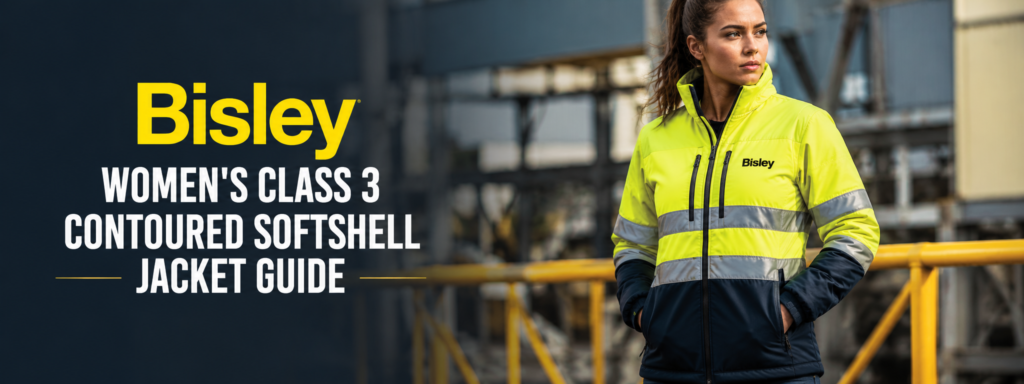
This guide explains exactly the features that set this jacket apart with regard to safety, from its certification and shell design to accommodate with ventilation and the way it is compared with other high-visibility options available that are available. If you’re outfitting your crew for fall and spring conditions or searching for a multi-purpose piece that is able to work in a wider range of temperatures You’ll find all the necessary details here to make a shrewd choice.
What Is the Bisley Women’s Class 3 Contoured Softshell Jacket
It is the Bisley ladies class 3 contoured softshell coat is a safety jacket with high visibility approved under the ANSI Type R Class 3 standard. It is specifically designed with an asymmetrical cut for women instead of a resized, unisex design. It’s in a different category of heavier puffer-style insulated safety jackets. It has the softshell design that emphasizes the breathability and mobility, while being in compliance with the most prestigious ANSI visibility class available.
Understanding the Class 3 Certification
ANSI Type R Class 3 clothing is the highest visibility class for safety apparel designed for those who work in extreme traffic speeds or workplaces that require visibility over the full range of body movement. This isn’t a sales label. It reflects specific, quantifiable requirements covering reflective tape and background material area as defined by the ANSI/ISEA 107 standards.
Why Softshell Construction Matters
Softshell jackets can be found in an appropriate middle between lightweight shells and insulation-rich outerwear. They usually combine an breathable, water-resistant outer membrane that has a fleece lining that is built-in providing workers with adequate protection against wind and water without the bulk and the risk of overheating that is associated with thicker puffer-style insulation for the physical demands of active work.
Key Features and Construction Details
Knowing exactly what’s in this jacket will help you understand the reason it works well over the broad range of work conditions than more winter-specific jackets that are heavier.
Water-Resistant, Breathable Fabric
The jacket has a waterproof outer fabric that is coupled with an breathable membrane that allows the body heat and moisture produced during work to evaporate instead of getting trapped inside the jacket. This is crucial when working in a variety of outdoor and indoor tasks, or working in unpredictable temperatures in the fall and spring. the full-on puffer jacket that is waterproof will quickly get uncomfortable warm.
Built-In Fleece Lining
The fleece lining inside offers a constant core warmth without a significant bulk increase while still achieving a balance that works well in moderate instead of extremely cold winter temperatures. This makes the jacket suitable for transitional seasons or areas that don’t experience extreme winter temperatures.
Underarm Ventilation
One aspect that differentiates softshells apart from puffer style alternatives is the built-in ventilation under the arm that allows the moisture and heat to escape in the midst of physically demanding work. Personnel who have to move around constantly during an entire shift, such as climbing, bending or lugging equipment tend to notice this feature right away when compared to jackets with no ventilation.
Waterproof Zippered Pockets
The jacket has two pockets on the waist that are secured by waterproof zippers. This gives workers the security to keep their small tools, phones or other documents without fearing the possibility of moisture getting in during rainy conditions.
Sleeve Cuff Adjusters
Adjustable sleeves help to reduce wind and water entering the wrist tiny but essential aspect that can significantly increase comfort in cold or wet winds, particularly for those who have frequently moving their arms.
Visibility and Compliance Standards
Beyond the base ANSI Class 3 certification, several specific elements reinforce this jacket’s role as genuine safety equipment rather than simply high-visibility-colored outerwear.
Reflective Tape and Background Material
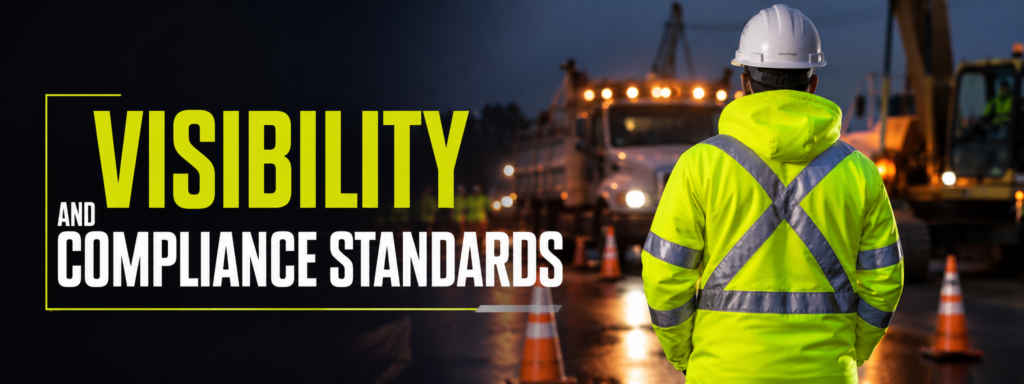
The jacket’s hi-vis lime or yellow background fabric, paired with reflective tapes meets the visibility requirements of the class 3 standard, which ensures that the wearer is visible when moving, and not only when seated. This is crucial in situations that involve constant motion near heavy machinery or traffic.
Who Requires Class 3 Certification
Typ R Class 3 clothing is usually required for those who are exposed to traffic at high speeds and complex backgrounds or any other environment in which visibility directly impacts the safety of workers. Most common jobs include highway survey teams, construction crews utility workers, and railroad workers, where the certification is based on actual documented danger rather than a general security measure.
Comparing Softshell and Puffer High-Visibility Jackets
The decision between a softshell or puffer-style high-visibility jacket boils down to a match of the clothing to your specific working environment and the season.
| Feature | Contoured Softshell Jacket | Reversible Puffer Jacket |
|---|---|---|
| The best season | Fall, spring moderately cold | Extreme cold, deep winter |
| Breathability | In the high, there is underarm airflow | Lower, insulation-focused |
| Warmth to a certain degree | Moderate | High |
| Mobility | Ideal for tasks that require active participation. | Good, but a bit bigger |
| Water resistance | Waterproof with the ability to breathe through the membrane | Fully waterproofed shell |
People who face extremely harsh winter conditions might still opt for an extra-heavy puffer jacket, however, for the vast majority of the year, and especially in areas with mild winters The softshell’s breathability as well as mobility make it the most practical choice for everyday use.
Fit and Sizing Considerations
This jacket is the women’s specific pattern contoured rather than a smaller style that is unisex, it’s designed to be a perfect fit through the chest, shoulders and waist, while maintaining the full range of motion needed to perform physically demanding tasks. The jacket is usually offered in a broad dimension range, and examining the specific size chart of the manufacturer before placing an order is recommended as the sizing guidelines for safety jackets do not always correspond to the standard sizes for outerwear that are used by consumers.
Layering for Colder Days
Since the fleece lining provides moderate warmth, not extreme most workers will layer the base layer with a lighter mid-layer beneath during more chilly shifts. The jacket’s wider cut can accommodate without limiting mobility.
Who Should Choose This Jacket
This jacket is perfect for workers who require a reputable high-visibility certification throughout a broad range of conditions, not just the winter’s harsh conditions alone.
- Construction and utility workers on the move throughout the fall and spring seasons.
- Survey teams and inspectors who are frequently on the move throughout the day.
- People in regions with moderate climates do not have extreme winter temperatures
- Anyone who prioritizes breathability and mobility over insulation
People who are constantly exposed to extreme winter cold should consider pairing the jacket with other insulation layers, or look into the heavier puffer style option specifically for the coldest winter months but keeping the softshell on hand for the longer stretch of the year.
Maintenance Tips for Long-Term Performance
A proper care routine can significantly extend the life expectancy of the jacket as well as its standardized visibility performance. Avoid excessive drying that can weaken the membrane that breathes and reduce the strength of the adhesive backing on reflective tape after multiple washing cycles. Make sure to regularly check the reflective tape and zippers with waterproof zippers for wear and tear, as both can affect the safety features of your jacket and should not be allowed to fall into disuse unnoticed.
Properly storing the jacket and not letting it remain stretched for a long time aids in maintaining its loft, and ensures continued insulation performance throughout the seasons of frequent usage.
Conclusion
This Bisley ladies class 3 softshell jacket is a practical option for those who require certified high visibility without the bulk and heat risk which is present in heavier jackets that are insulated. The breathable, water-resistant design with a fleece lining built-in and clever details such as water-proof pockets and underarm ventilation makes it an ideal choice for autumn, spring and mild winter conditions equally. “Certified hi-vis without the bulk. Here’s everything to know about the Bisley women’s class 3 contoured softshell jacket before you buy.”
Frequently Asked Questions
What is ANSI Type R Class 3 refer to regarding the Bisley women’s softshell jacket that is contoured? It’s the highest visibility class under the ANSI/ISEA standards, which is required for those working in highly-speed environments or workplaces where visibility via the entire body is crucial. This jacket complies with that standard with a particular reflective tapes and the coverage of the background material.
Does the softshell jacket sufficient for winter tasks? It offers moderate warmth with a built-in fleece lining. This makes it ideal for spring, autumn and mild winter conditions. If you are experiencing a lot of cold it is common for workers to layer their clothing underneath or wear a more puffer jacket with insulation in the winter months.
What makes this coat differ from Bisley puffer jacket that is reversible? The softshell version is designed to maximize breathability and mobility, by providing underarm vents and the lighter fleece lining which makes it ideal to work in the entire temperature range. The puffer version comes with more insulation and a completely waterproof shell, which makes it the ideal option for cold winter temperatures.
Is this garment going to fit according to the size? It features a female-specific cut with a contour instead of a resized, unisex pattern. Therefore, checking the specific size chart of the manufacturer is highly recommended prior to ordering. The size chart typically covers a broad range to accommodate various bodies while maintaining the flexibility.
What kinds of jobs or fields are this jacket most suitable to? It works well for utility, construction, and survey tasks that require frequent movements and variable weather especially in areas with extreme temperatures in winter. The jacket’s breathable and ventilated membrane makes it ideal for those who are active during their shift.