If you’ve seen the word blazertje You may have thought it was just another word for “blazer.” In modern fashion, this is usually how it is used, especially when it is used to describe a smaller, thinner, cropped or a more casual blazer. However, there’s more to it than just a fashion fad. Blazertje is an Dutch diminutive version for “blazer,” while historical Dutch-language sources also reveal an additional meaning of”blazertje.
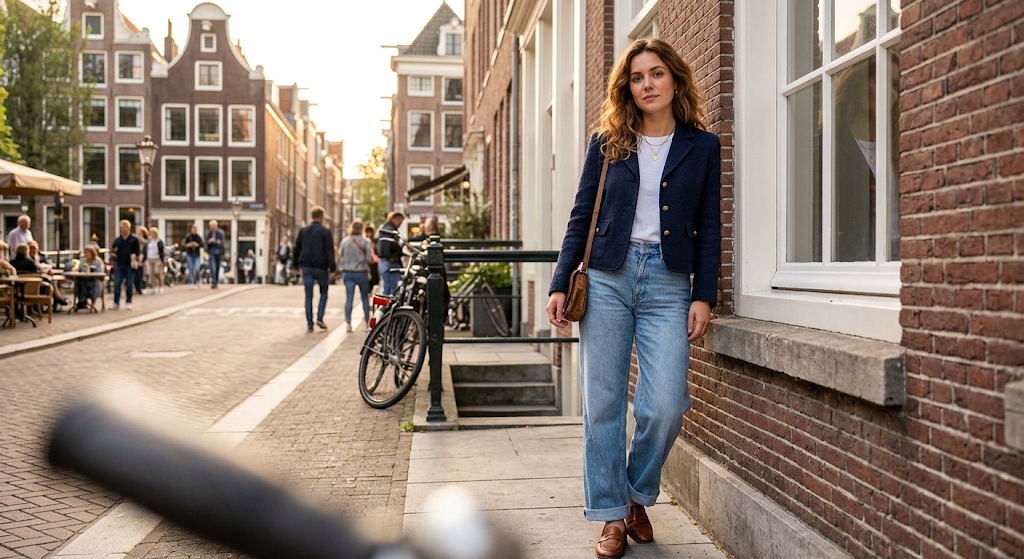
In today’s fashionable world The term blazertje has become popular in the sense of the blazer-inspired clothing with a softer, more rigid appearance. It can be worn with jeans pants, skirts dresses, and basic items which makes it a desirable alternative for smart casual outfits of today. In addition it is important to understand the Dutch language to explain the difference in sound from the common English phrase “blazer.”
This article explains the meaning behind blazertjes and its Dutch origins, the connection to the traditional blazer contemporary style ideas fabrics, fitting to wear for the season, as well as practical tips for buying. If you’re astonished by this term to the first time you’ll be able to comprehend the meaning behind it and how you can apply this concept to your outfit at the end.
What Is a Blazertje?
In the modern world of fashion, the term “blazertje” is used to describe a blazertje could be described as being a tinier, soft lighter, more informal version of a classic blazer. It usually retains classic elements of a blazer, such as buttons, lapels, sleeves and a refined style, but offers an easier approach to daily dressing.
The style is particularly appealing because it is a blend of formal dress and casual clothing. The traditional suit jacket may often be too formal for casual plans, whereas an oversized cardigan, a denim jacket or sweatshirt might not be structured enough. A blazertje could bridge that gap.
But there’s one important aspect of the language. The word “blazertje” is in Dutch, blazertje is the diminutive version of the word blazer and an suffix “-tje” functioning as a diminutive end. Dictionary material for Dutch includes the word blazertje as the diminutive form of the word blazer.
This means that the literal meaning of the word is more like “little blazer” rather than a distinct class of jacket.
Modern websites usually employ the word “loosely” to refer to compact, lightweight and slouchy Blazers. The fashion interpretation can be useful however it shouldn’t be confused with a strictly general definition of what a garment is. The terms used to describe fashion vary among designers, retailers, countries and online communities.
Blazertje Meaning and Dutch Origin
The most effective way to grasp the concept is to study its structure.
It is believed that the Dutch phrase blazer is a reference to the well-known jacket, whereas the suffix tje is an abbreviated suffix. When combined, blazer becomes blazertje. Dutch Wiktionary specifically identifies the word blazertje as a diminutive version of the word blazer.
Diminutives in Dutch convey more than physical dimensions. Depending on the word used and context, they may convey the sense of smallness, familiarity or love, or more of a soft tone. So, if you translate blazertje mechanically to mean “tiny blazer” can miss some of the subtleties in language.
In today’s fashion content this term is typically taken to mean the definition of a small blazer, a compact blazer or a more attainable the blazer. The interpretation that is given fits perfectly with the tinier design.
It is important to note that the word “blazertje” is a more ancient Dutch term that has no connection to fashion. In the Woordenboek van Populair Taalgebruik documents the word blazertje in the 1940s as a name used to describe a substitute for cigarette or cigar.
The significance of the historical context is crucial in examining the word’s linguistic meaning. In a modern-day context however, the surrounding words are usually able to help to clarify the meaning.
Is a Blazertje Just a Blazer?
Not necessarily.
A Blazer and the blazer are both closely linked However, the term“blazertje” can refer to a certain style or feel, not the term “blazer” which is a uniformly-defined garment classification.
A typical blazer could be tailored, structured in a way, substantial and made for semi-formal or professional attire. A blazertje, in contrast is typically described as light, shorter and softer or more suited to be worn with casual clothes.
The distinction between the two is not an absolute fashion guideline. A retailer might label a cropped coat an blazer, and another might call the same thing the Blazertje. A similarly sized blazer could still be sold under the label blazertje when the company is using the term as a style name.
The most effective method of thinking of it as “blazertje” describes an approach to a blazer rather than a universally accepted structure.
Blazertje vs. Traditional Blazer
The difference is easier to understand when you can compare both concepts.
| Feature | Blazertje | Traditional Blazer |
|---|---|---|
| Overall feel | At ease, accessible and flexible | More polished and structured |
| Typical silhouette | Compact, soft, or light-tuned | Regular, tailored or elongated |
| Structure | Usually, modest to moderate | Moderate to powerful |
| Fabric | Linen jersey, cotton wool, blends of lightweight wool | Wool blends, cotton, wool and other suitable fabrics |
| Styling | Semi-formal, casual, smart-casual and casual | Semi-formal, business and smart-casual |
| The strongest quality | Simple everyday flexibility | Polished tailoring |
These distinctions are based on tendencies rather than definitive definitions. A similar jacket may be described in the two terms based on how it is promoted.
The main benefit of the blazertje idea is its versatility. It allows you to take the sleek lines of tailoring but not commit to a formal dress.
Why Blazertjes Are Appealing in Modern Fashion
Modern clothing styles increasingly emphasize flexibility.
Many people want clothes that is flexible enough to go between different parts of the day without the need for the complete overhaul of their outfit. A jacket that is suitable for morning meetings or lunch, a travel dinner or casual social events can be more useful than one that’s designed for a specific event.
This is why the blazertje will work particularly well.
The blazer-inspired design makes a basic appear more sophisticated, while the soft fabric or less structured design makes the look less too formal. This is the reason why discussions about fashion in 2026 will continue to concentrate on casual tailoring and apprehensible clothes. Recent fashion reports describe the blazertjes as light or soft versions of classic blazers made for casual wear.
The concept is easy: look put together without being overdressed..
The style is ideal for those who prefer greater structure and style than cardigans and less formal than traditional suits.
Key Features of a Modern Blazertje
There’s no standard checklist that every blazertje has to adhere to, but certain characteristic features are often seen in contemporary designs.
A more relaxed shoulder is a possibility. Traditional tailoring might utilize padding and more robust shape, while casual tailoring typically reduce the structure to facilitate movement.
The length of the dress can be crucial. Certain styles end at the waist, whereas others go to the hip or slightly beneath the hip. These styles are ideal when paired with high-waisted pants jeans, skirts, or shirts as they provide a clean waistline and are balanced in proportions.
Fabric is a different element. Cotton, linen, jersey wool, light weight and stretch blends create a more casual appearance than suiting fabric that is heavy.
Details can be simplified. A blazertje may have only a few buttons or patch pockets or a soft lapel or an interior that is unlined. These elements make the blazertje appear more like a casual jacket instead of a formal outfit.
Popular Blazertje Styles
Because the term is deceptively broad There are a variety of interpretations that are worth studying.
Cropped Blazertje
A blazertje that is cropped sits more affluently over the body. It is usually around the waist or above the hip. It is particularly good with high-rise jeans, trousers or skirts. Dresses are also a good choice.
The main benefit of styling is the proportion. A cropped jacket will visually extend the lower half of a dress and give it a the appearance of a more distinct silhouette.
For a casual look, match an uninspiring blazertje that is cropped in neutral with high-waisted straight-legs and a plain top.
Oversized Blazertje
An oversized version adopts the opposite direction. Instead of focusing on a slim shape, it allows for additional space through the shoulders, body and sleeves.
The key to oversized tailoring is to find the right balance. When the garment is loose and loose, keeping the remainder of the outfit tidy can help keep the overall look from being overly weighty.
Wide-leg pants can look great with tailored oversized clothing when the proportions are considered and slim, whereas straight-leg or slim jeans can provide a sharper contrast.
Lightweight Blazertje
Lightweight versions are especially useful during summer and spring.
Linen, cotton, light blended fabrics, as well as breathable fabric offer structure, without the weight of traditional suits.
A blazertje that is lightweight can be put on over a T-shirt blouse, tank top or a lightweight knit. For warmer weather neutral shades like beige stones, cream light gray, navy are simple to mix.
Fitted Blazertje
A tailored blazertje is more closely matched to the body and gives a polished look without the sturdy structure of formal clothing.
This look is great for offices and dinners, as well as presentations and other occasions when you need an elegant silhouette.
The most important thing is the comfort. If the jacket is sagging across the shoulders or chest when it is buttoned, it is likely to be too big, no matter how appealing the design appears at a standstill.
How to Choose the Right Blazertje
The appropriate blazertje must be picked based on the fabric, fit proportions, color and the purpose for which it is intended rather than just following a fashion.
Begin with your shoulders. The shoulder seam should be near your natural shoulder, unless the clothing is deliberately over-sized. A shoulder that is out too far from your body could make an otherwise stylish jacket look unfit.
Then, think about the length. If you are a frequent wearer of high-waisted pants or skirts A cropped version could be a good option. If you’re looking for a jacket that can be worn with trousers and dresses of various styles, a hip-length model can offer greater flexibility.
Then think about the fabric. Take into consideration what you’ll wear it and when you’ll plan to wear the dress. A linen blend that is breathable is more appropriate for warm weather than a thick wool construction. A light wool blend may be more suitable for colder seasons.
Take a second take a look at the shade. If this is your first time wearing a blazertje it is recommended to choose a neutral color that offers the broadest range of options for styling.
How to Style a Blazertje With Jeans
One of the most simple ways to style a blazertje is to pair it with jeans.
The combination is effective because the jacket provides an element of structure, while jeans keep the look relaxed. Slim, straight broad-leg, wide-leg and relaxed jeans are all able to depend on the proportions of your jacket.
For instance, a fitted blazertje and straight-leg jeans will create an aesthetically balanced look. A large blazertje works especially when paired with relaxed or straight jeans when the rest the ensemble is simple.
A simple T-shirt beneath can make a look effortless while a button-down shirt makes for a more professional appearance.
Then, finish with loafers, sneakers that are clean ankle boots, simple flats, depending on the occasion.
Wearing a Blazertje to Work
A blazertje could be an ideal office outfit when the dress code at work permits informal attire.
To create a professional appearance Choose a simple design in charcoal, navy beige, black, brown, or a different subdued color. Wear it with a suit, basic top, a knit, or a button-down t-shirt.
Avoid denim with excessive distress or footwear that is casual to dress for a casual work environment.
The main benefit is that it doesn’t require to be paired with pants. You can make several office outfits using the same item by adjusting the shirt, trousers as well as shoes and accessories.
A blazertje of good quality is useful addition to a wardrobe that is a capsule.
How to Wear a Blazertje Casually
A casual look does not mean totally unstructured clothing.
The blazertje could be tailored just enough to make your everyday clothes seem more meaningful.
Wear it with a basic T-shirt, sneakers and jeans. Another option is to put it over a light sweater with casual pants.
If you want to look more trendy An oversized version of the dress can be paired with wide-leg trousers and minimal accessories.
It’s important not to style the outfit too much. The jacket already offers visual structure, and therefore basic pieces under are often the best.
Can You Wear a Blazertje With a Dress?
Absolutely.
A blazertje can give an element of structure to a flowing minimal dress, making the ensemble appropriate for formal dinners, parties or office settings as well as changing weather.
A cropped cut can work particularly well with dresses since it keeps the waistline. A more oversized or longer-length jacket could create an edgier layered look.
For formal events, pick elegant fabric and maintain the colors uniform. For casual occasions, light materials, sneakers or flat shoes will give you an ambiance that is more casual.
Blazertje Styling for Different Seasons
Spring
Spring is a great time to experiment with lightweight tailoring. Linen blends, cotton and soft jersey give sufficient coverage, but not enough to make the garment feel heavy.
Pastels beige, cream blue, light blue and soft gray could provide a festive look.
Summer
In the summer months, breathability is more important more than a heavy structure.
A cotton or linen blazer can be layered over a light-weight top shorts, trousers or an evening dress. A blazer that is not lined can help enhance airflow and help reduce the weight.
Autumn
Autumn provides more opportunities for layering.
Wear a blazertje with a soft-knit sweater and pants or a tailored pair of jeans. Earth tones like olive, camel and burgundy as well as warm grays work well.
Winter
A thicker wool or wool-blend blazertje could be used as part of an outfit. Layer it over knitwear and underneath a coat if temperatures fall.
The most important thing to consider is space. If you are planning to wear a sweater over make sure you choose an outfit that is perfect over just a thin shirt.
Choosing the Best Blazertje Fabric
Fabric is a major factor in how a jacket feels and looks.
Lining is extremely breathable and naturally supple which makes it ideal in hot temperatures. The characteristic of wrinkles is a part of its appeal, but certain people might prefer a blend of linen to make it easier to maintain.
It is versatile and comfortable to wear. It is able to create any type of clothing from a casual light garment to an more formal blazer.
Wool gives warm and refined appearance. Wool that is lightweight can be used in different seasons, while thicker wool is more in colder weather.
Stretch fabrics and jersey focus on comfort and mobility. They can be especially useful when you travel or for long hours when you’re looking for tailoring without feeling constrained.
There isn’t a universally ideal fabric. The best choice is based on the climate, your lifestyle the dress code you prefer, as well as the frequency you plan to wear the dress.
How to Get the Right Fit
Fit is perhaps more important than the tag on the jacket.
The shoulders should be positioned naturally. The sleeves should permit comfortable movement. When pressed the front must close without any obvious strain or pulling.
Be aware of the armholes too. An armhole that restricts movement of the arm can cause discomfort quickly even if the rest of the outfit is in good shape.
For larger-sized styles, a bit of looseness is a given. The aim is not to make a oversized jacket look as the traditional blazer. Instead, ensure the jacket’s size is deliberate than haphazard.
When you shop online, make sure to compare your body measurements to the size chart provided by the retailer instead of solely relying on the size you’re used to.
Caring for a Blazertje
A good care routine can greatly prolong the life of a jacket that has been tailored.
Always verify the care label prior to cleaning or washing it. Certain fabrics can be washed by machine however delicate or structured jackets might require professional cleaning.
Don’t leave your jacket crumpled on a couch or in a packed wardrobe. A proper hanger will help keep your shoulders as well as overall form.
If the fabric is prone to wrinkles Steaming gently can revive the fabric without the force of ironing. When it comes to delicate fabric, you should follow the guidelines of the manufacturer.
A proper storage system is essential as well. Make sure the jacket has enough space to breathe instead of squeezing it in between coats.
Is a Blazertje Worth Adding to Your Wardrobe?
Yes, for many people.
The most important reason is its flexibility. A well-chosen blazertje will work with casual jeans, professional pants or skirts, dresses and even everyday essentials.
It is also a great alternative to formal and casual attire. You are able to look polished, but not give the impression that you’re wearing a full suit.
The most desirable purchase However, it’s not always the cheapest or trendy option. You should look for a good quality construction and comfortable fabrics and a pleasing silhouette and a hue that blends with the clothes you already have.
A jacket you can wear every week is usually more desirable than a stylish piece that is only suitable for only one outfit.
What Makes the Blazertje Different in 2026?
The enduring attraction of blazertje reflect an overall trend towards more relaxed style.
Today’s consumers are increasingly looking for clothes that are able to fulfill multiple different roles. The line between weekend clothes, work wear clothes, travel attire, and casual wear is becoming less rigid.
It doesn’t mean that formal tailoring has gone away. In fact, many are searching for more relaxed versions of the traditional structured clothes.
The blazertje is a perfect fit for that style especially well. It retains the distinctive visual style of a blazer, while making it more attainable to wear with the everyday clothes.
Recent fashion-oriented articles also describe the dress being a bridge to formal fashion and relaxed, casual style.
A Simple Blazertje Shopping Checklist
When deciding which one to choose, concentrate on the following essentials:
- Make sure the chest and shoulder for the proper fit.
- Pick the fabric that best suits your lifestyle and climate.
- Select a length that is compatible with your regular skirts, jeans, trousers or dresses.
- Pick a neutral hue to get the most versatility.
- Make sure you read the care guidelines prior to buying.
These easy tips can help avoid the most frequent buying errors.
Frequently Asked Questions About Blazertje
What exactly does blazertje mean?
Blazertje refers to the Dutch small version of a the blazer. In discussions about fashion it is typically interpreted as the term used to describe a “little blazer” or a more compact, casual interpretation of the term”blazer. Dutch dictionary content confirms that blazertje is as a diminutive form of the blazer.
Does a blazertje have the same style as a jacket?
They are very similar however, they are not necessarily the same in terms of fashion. A blazertje could be smaller, lighter more supple, cropped, or a more casual variant of the jacket. But, there isn’t any uniform fashion standard that requires each blazertje to sport these features.
Is the word blazertje actually an Dutch word?
Yes. The word “blazertje” is Dutch, blazertje is the diminutive form for the word blazer. A suffix “-tje” is responsible for the diminutive form.
What can a blazertje do to can be worn with casuality?
Yes. It’s particularly appropriate for smart casual outfits. It is possible to pair a blazertje with a pair of jeans, T-shirts casual trousers, sneakers skirts or dresses to give an elegant but casual look.
Does blazertje also have a different meaning?
Yes. The popular language sources of the past document the word blazertje as an alternative for cigarette or cigar and examples date back to around the middle of 20th century. The meaning of the word is based heavily on the context. In modern fashion the term is usually referring to a blazer-related item.
Conclusion
Blazertje is an intriguing term due to its significance in the middle of fashion, language, and the modern style culture. In Dutch it’s the smaller version of the word blazer which gives its meaning the basic idea of”a “little blazer.” In current fashion debates it is commonly used to describe a smaller, less hefty, more soft cut, or more comfortable version of tailoring that is traditional.
The idea is particularly applicable to the modern fashionista because it gives structure but not too much formality. A good blazertje could be worn with jeans to create casual wear and tailored trousers suitable to work in or with an elegant dress for a elegant event. Fabric dimensions, proportions, construction and fitting determine how formal or casual the look will end up being.
It also contains an important historical detail about language: Dutch sources record an older slang definition of the word “blazertje” which refers to a substitute for cigarettes or cigars. This history demonstrates why the context is important when studying unusual fashion terms.
For those who are able to discover the word by 2026, the conclusion is simple: think of a Blazertje as a blazer concept that has a soft smaller, more accessible character and remember that the term itself has more linguistic roots. Choose the fit and material that is a reflection of your personal style and style it with items you already own and think about versatility instead of simply following trends.
Leave a Reply