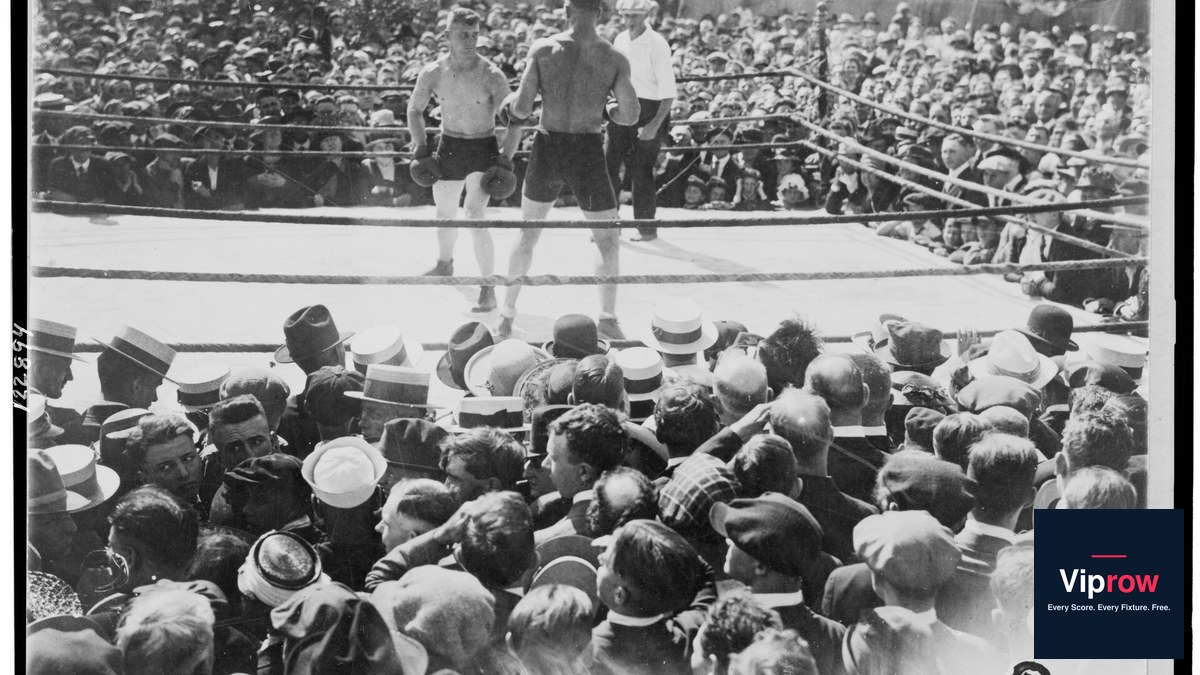
A boxing referee stands as the most important person in the ring who is not throwing a punch. This guide explains the job in plain words.
What Is a Boxing Referee?
A boxing referee serves as the official who runs the fight inside the ring. The referee starts the action, watches every punch, enforces the rules and stops the contest when it must end. Also, the referee protects both fighters at all times, because boxing is a dangerous sport and safety must come first. For example, the referee steps in to break a clinch and moves in fast when a fighter is hurt.
The Referee Is the Sole Authority in the Ring
In boxing, the referee holds sole authority in the ring. That means no one else inside the ropes can overrule the referee during the fight. So when the referee says break, both fighters must step back, and when the referee says stop, both fighters must stop at once. For the full rulebook wording, read the WBC Rules Explained guide.
What Happens Before the First Bell
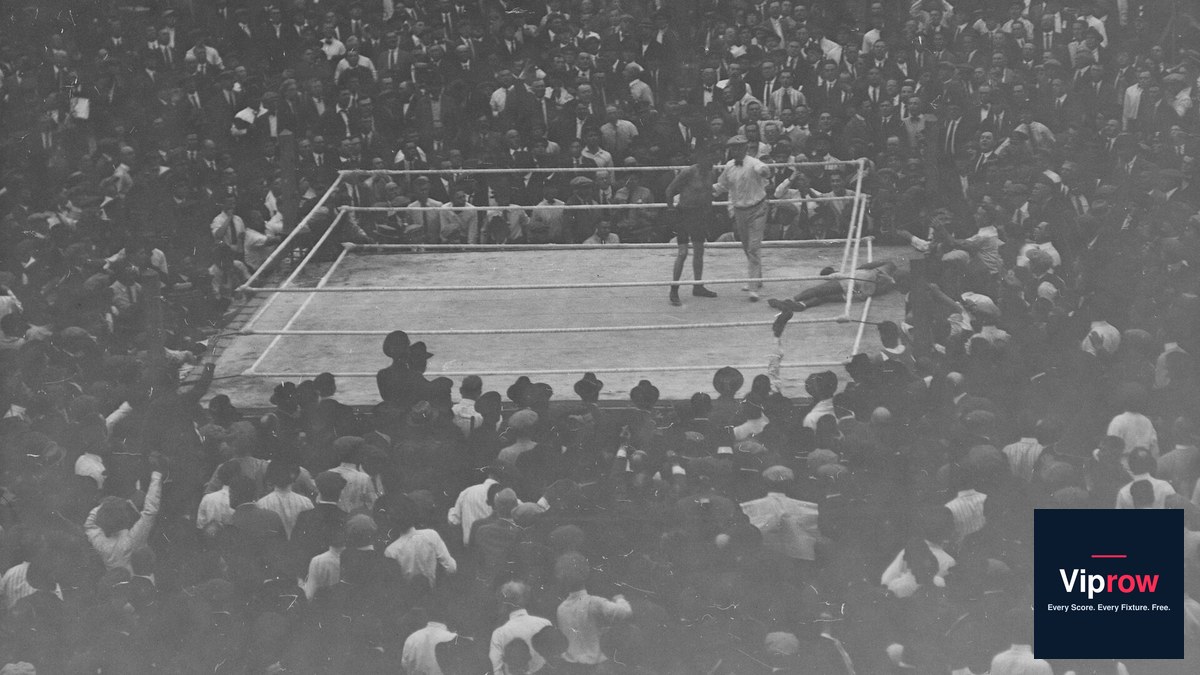
The referee’s work starts long before the first punch. The referee meets both fighters before the bout and gives clear final instructions. Also, the referee checks that both boxers understand the rules, the commands and the fouls, so no surprise should greet them once the bell rings. As a result, the fight starts on a fair and safe footing.
The Pre-Fight Checks
Before the bell, the referee checks the gloves, the mouthguard and the hand wraps of each fighter. Also, the mouthguard must sit in place, because it protects the teeth and the jaw. The hand wraps must feel firm and legal, and they must hide nothing inside them. So the referee looks for any object that has no place in the ring. For more on what happens before the bell, read our guide to how boxing weigh-ins work.
The Referee’s Commands: Box, Break and Stop
The referee uses short, clear commands that every boxer must obey at once. The most common command, “box”, starts or restarts the action after a pause. Also, the referee says “break” when the fighters clinch and hold each other, and both men must step back and stop punching. The command “stop” ends the action at once, and the referee uses it when the round ends, when a foul happens, or when the referee needs to check a fighter. For more on the structure of a bout, read our guide to how boxing rounds work.
How a Boxing Round Works Under the Referee
A standard boxing round lasts three minutes, with a one-minute rest between rounds. A championship fight lasts 12 rounds, while shorter fights may last four, six, eight or ten rounds. The referee starts each round with the command to box, and ends each round when the bell rings. So the referee must listen for the bell and act at once when it sounds. The referee also sends each fighter to the correct corner at the end of the round.
Three Minutes of Action, One Minute of Rest
Each round gives the fighters three minutes to box, then one minute to rest. The referee enforces this rhythm from start to finish. Also, the referee calls time out if a mouthguard falls out, a glove comes loose, or a foul needs a warning. So the referee must keep the fight moving and keep the time fair. As a result, the referee checks both fighters as they rise for the next round, and looks for signs of tiredness or damage.
The Ten Count and the Mandatory Eight Count
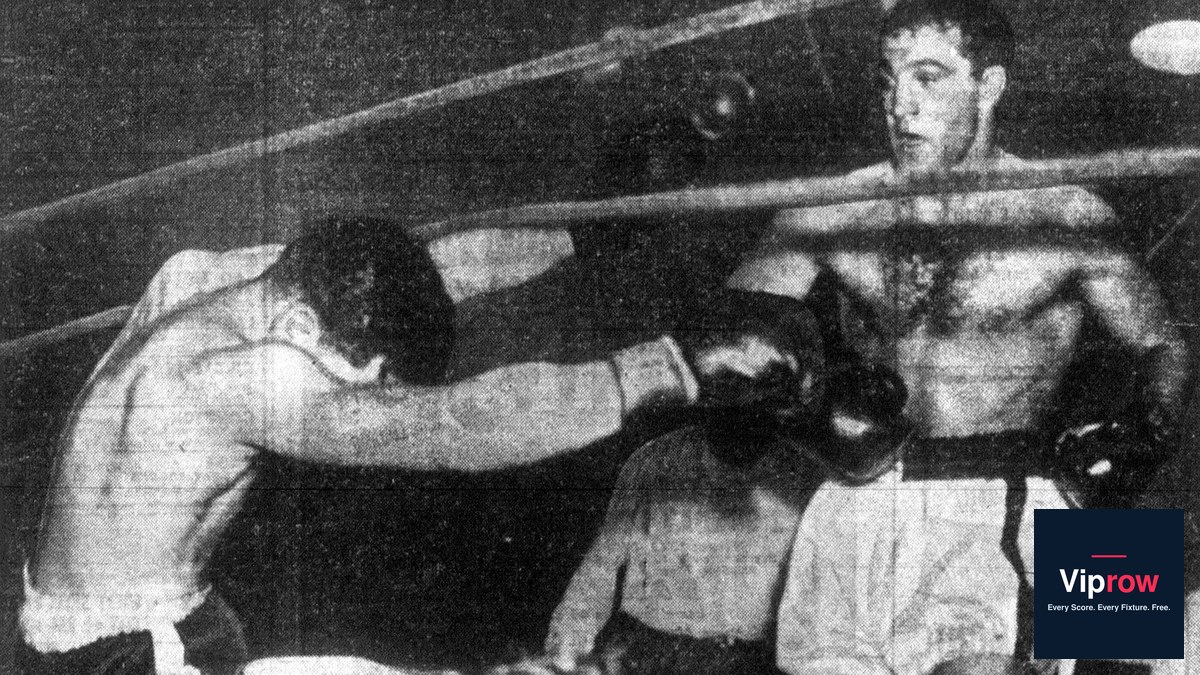
The ten count ranks as the most famous duty of a boxing referee. When a punch knocks a fighter down, the referee starts to count to ten. If the fighter cannot rise and show that he can carry on before the count of ten, the fight ends, and the other boxer wins by knockout. Also, the referee gives a mandatory eight count after a knockdown, even if the fighter rises fast. That means the referee counts to eight at least, checks the fallen fighter, and only then lets the fight carry on if the boxer looks fit to continue.
The Standing Boxer Goes to a Neutral Corner
When a punch knocks a fighter down, the referee sends the standing boxer to the farthest neutral corner at once. A neutral corner belongs to neither fighter. Also, the referee will not start the count until the standing boxer reaches that corner. So the downed fighter gets a fair chance to recover without the other boxer standing over him. As a result, the count only starts once the ring stands clear and safe. For a full guide to knockdowns, read our explainer on how boxing knockouts work, the ten count, TKO and corner stoppages.
When the Referee Stops a Fight
A referee stops a fight when a fighter can no longer defend himself. Boxing calls this a technical knockout, or TKO. Also, the referee may stop the fight when a fighter takes too many clean punches without an answer, even if he still stands on his feet. So the referee must judge the moment with care, because stopping too late risks harm, and stopping too early can feel unfair. For example, a fighter who turns away, drops his hands, or stumbles after a punch faces danger, and the referee must act fast.
What a TKO Really Means
A technical knockout, or TKO, means the referee has stopped the fight before the full count or the final bell. It differs from a clean knockout, where the referee counts a fighter out. Also, a TKO can happen when the referee steps in, when the doctor advises a stop, or when the corner retires the fighter. So the boxer who led or controlled the fight at the time of the stoppage takes the win, and the record shows the result as a TKO win. As a result, fans should not see a TKO as a lesser win, because it often shows that the referee did the job well and kept a fighter safe.
Fouls in Boxing and How the Referee Deals With Them
Fouls count as illegal acts that break the rules of boxing. The referee must spot them, stop the action, and deal with them at once. So the referee watches the hands, the head and the feet of both fighters all through the bout. For example, a low blow below the belt line counts as a foul, and the referee will call time out and give the hurt fighter time to recover. As a result, the fight can carry on fairly after the referee has dealt with the foul.
Common Fouls Every Fan Should Know
The most common fouls include the low blow, the rabbit punch, holding and hitting, hitting after the bell, and the headbutt. A low blow lands below the belt line and can cause great pain. A rabbit punch hits the back of the head or neck, a risky and illegal target. Holding and hitting means one hand holds the other boxer still while the free hand punches. Hitting after the bell means punching once the round has ended. So the referee must watch for each of these acts in a fast-moving fight.
Point Deductions and Disqualification
When a fighter repeats a foul or commits a serious one, the referee can deduct points from that fighter. A point deduction means the judges take a point from that boxer on the scorecards for that round. So a point deduction can change the result of a close fight. For example, a boxer who wins a round 10-9 but loses a point for a low blow will score that round 9-9 instead. As a result, fouls carry a real cost, and fighters learn to keep their punches legal. For more on scoring, read our guide to how boxing judges score a fight and the 10-point must system.
From a Warning to a Disqualification
The referee follows a clear scale when dealing with fouls. First comes a warning, a firm word and a clear signal to the fighter. Next comes a point deduction, which costs the fighter on the scorecards. So a fighter who fouls twice has a strong reason to stop. Finally comes disqualification, which ends the fight and hands the win to the other boxer. For example, the referee may disqualify a fighter at once, with no warning, if that fighter bites, headbutts on purpose, or hits a downed opponent.
The Referee and the Three Judges: Different Jobs
The referee and the three judges have different jobs, and fans should not mix them up. Inside the ring, the referee controls the fight. Outside the ring, the judges sit and score each round. Also, the judges use the 10-point must system, which means the winner of a round scores 10 points, and the loser scores 9 or fewer. So the judges decide who wins on points if the fight goes the full distance. The referee does not score the rounds, and the judges do not step into the ring.
Injuries, Cuts and the Ringside Doctor
Injuries form part of boxing, and the referee must deal with them fast. When a cut opens, the referee looks at it and may call the ringside doctor to the ring to check it. Also, the doctor advises the referee on whether the fighter can carry on safely. So the referee takes the doctor’s advice with great care, because the doctor serves as the medical expert at ringside. As a result, the referee can end the fight on medical advice, even if the fighter wants to carry on. In short, the referee and the doctor work together to keep both boxers safe.
The End of the Fight: The Result and the Raised Hand

When the final bell rings, the referee brings both fighters to the centre of the ring. The referee collects the scorecards from the three judges and gives them to the announcer. So the moment feels tense, because both fighters wait to hear the scores. If the fight ends early by knockout, TKO or disqualification, the referee waves off the contest and signals the winner at once. For more on the belts at stake, read our guide to boxing title belts explained, WBA, WBC, IBF and WBO, and how champions are crowned.
How the Winner Is Announced
The announcer reads the result from the judges’ scorecards. In a points win, the announcer gives the scores from each judge, such as 116-112, 115-113 and 117-111. Also, the announcer names the winner, either by unanimous decision, split decision or majority decision. So fans can hear how each judge saw the fight. The referee then raises the hand of the winner, the classic image that ends every boxing match. As a result, the raised hand gives the clear sign that the contest is over and the winner is known. For more on the weight divisions, read our guide to how boxing weight classes work and every division explained.
Why Good Refereeing Matters for Boxing
Good refereeing matters because it keeps fighters safe and keeps fights fair. A good referee lets the fighters box, steps in only when needed, and makes clear calls that both corners can accept. Also, a good referee knows when to warn, when to deduct a point, and when to stop a fight. So the best referees earn the trust of fighters, trainers and fans. As a result, the sport stays honest and safe, and the best fighter wins on merit.
Safety First, Fairness Second
Safety comes first for every boxing referee, and fairness comes a close second. The referee protects the fighters from harm, enforces the rules in the same way for both men, and keeps the contest clean. Also, the referee gives each fighter a fair chance to win, with no favour to either corner. So the referee must stay neutral, calm and brave all through the fight. As a result, the referee may face boos in the moment, yet the call still stands as right.