An NFL safety ranks among the rarest scores in football. It brings only two points, yet it can change a game in a single play. A safety gives points to the defence, and it also gives the ball back to that same team. A safety happens when the ball dies in the offence’s own end zone while that team still holds the ball. This guide explains the rule in plain English.
What Is an NFL Safety?
An NFL safety gives the defence a scoring play worth two points. It happens when the offence bears responsibility for the ball dying in its own end zone. The official rule sits in Rule 11 of the official NFL rulebook. It says the officials score a safety when the offence commits a foul in its own end zone, or when a player carries, passes, or fumbles the ball behind his own goal line and the ball then dies in the end zone in that team’s possession. Officials call that push impetus, and it often decides the call.
How Many Points Is a Safety Worth?
A standard NFL safety brings two points, and those points go to the team that played defence. For example, if the score is 20-17 and the team that trails forces a safety, the score becomes 20-19. Two points may sound small next to a touchdown, worth six points, or a field goal, worth three. However, a safety carries more value than it first seems. Also, the team that scored the safety also gets the ball back. During a try after a touchdown, a safety brings only one point.
The Main Ways a Safety Happens
Most safeties come from a small set of plays. The defence pins the offence near its own goal line, and one mistake ends the play in the end zone.
Tackled in Your Own End Zone
A tackle in the end zone causes the most common safety. A runner takes a handoff near his own goal line, and a defender brings him down before he can reach the field of play. As a result, the defence scores two points at once. A quarterback sack in the end zone works in the same way. The quarterback drops back to pass, and a pass rusher reaches him before he can throw. So the sack brings not just a loss of yards, it brings a safety.
A Foul in Your Own End Zone
A foul by the offence in its own end zone can also cause a safety. Intentional grounding tops the list, when a quarterback throws the ball away to avoid a sack even though no receiver stands near the throw. So if he does this while he stands in his own end zone, the penalty brings a safety. Holding in the end zone can also lead to a safety. However, the rules do not force the defence to take it. Since the 2023 season, the defence can decline a safety and take the penalty instead, if that choice helps the team more.
When a Fumble Leads to a Safety
A fumble in or near the end zone ranks among the most tense plays in football. The ball lies loose, both teams chase it, and the result can be a safety, a touchback, or a touchdown. If a player fumbles the ball in the field of play and it rolls into his own end zone and then out of bounds, the officials call a safety. As a result, the defence gets two points, because the offence gave the ball the push into its own end zone. To see how a loose ball works in open play, read our guide to how NFL fumbles work.
Blocked Punts and Kicks in the End Zone
A blocked punt creates a dangerous play for the punting team. The punter stands deep in his own end zone, or just in front of it, and the defence rushes hard to block the kick. If the defence blocks a punt and the ball goes out of the back or the side of the offence’s own end zone, the officials call a safety. However, if the defence recovers the blocked kick in the end zone, the officials award a touchdown for the defence, which hurts even more.
The Free Kick After a Safety
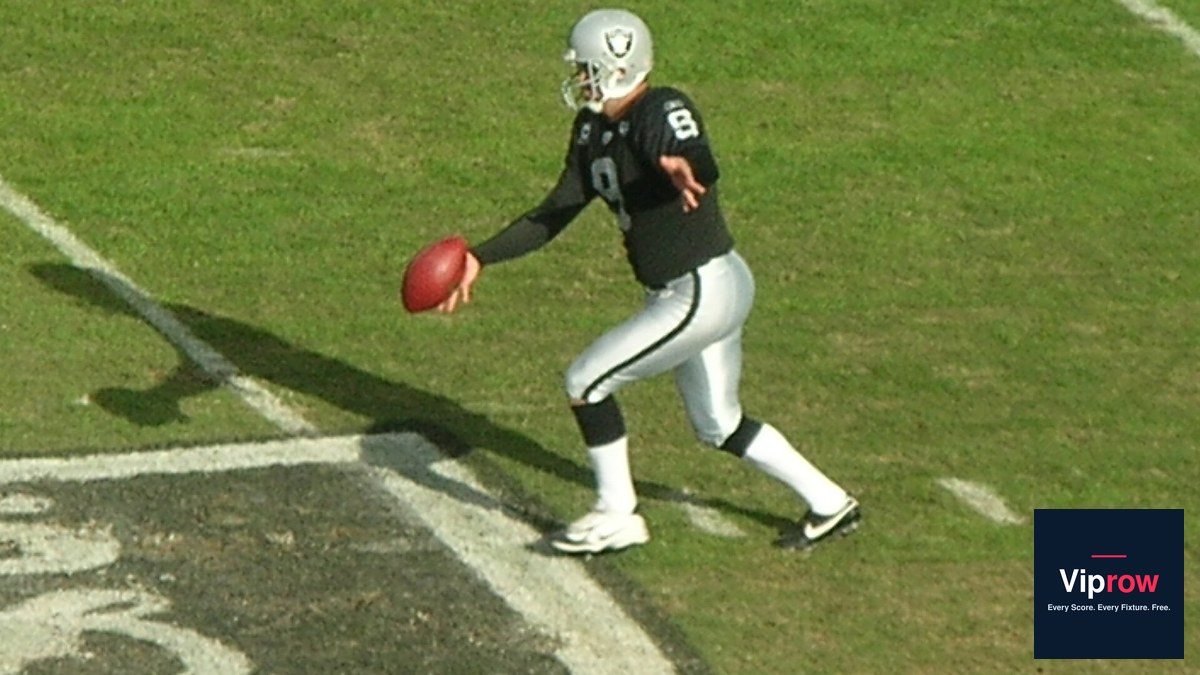
A safety does not end with the two points. The team that gave up the safety must also kick the ball away. Football calls this a free kick, or a safety kick. So the scoring team gets the points and then gets the ball back as well. The team that gave up the safety kicks from its own 20-yard line.
Punt, Placekick or Dropkick
The team that kicks after a safety has three choices. It can punt the ball, placekick it, or dropkick it. A punt tops the list, because it stays safe and it travels far. So most teams punt the ball away and trust their coverage team to stop the return. A dropkick ranks as the rarest choice of all. However, teams almost never use it, because a punt works easier and more reliably.
Safety vs Touchback: The Key Difference
Fans often mix up a safety and a touchback, because both plays end with the ball dying in an end zone. However, the two calls stand as opposites. A safety gives two points to the defence and gives the ball to the defence as well. In contrast, a touchback gives no points to either team and gives the ball to the team that defends that end zone. The difference comes down to impetus, the push that sent the ball into the end zone. If the offence sent the ball into its own end zone, the officials call a safety.
Who Gave the Ball Its Push
To tell a safety from a touchback, ask one question. Which team gave the ball the push into the end zone? For example, if a defender tackles a quarterback in his own end zone, the push came from the offence. As a result, the officials call a safety.
Where the Ball Goes After a Touchback
The spot after a touchback depends on the type of play. A punt that ends in a touchback gives the receiving team the ball at its own 20-yard line. A kickoff touchback works differently under the current rules. Under the dynamic kickoff rules in use in 2025 and 2026, a kickoff that a player downs in the end zone after it lands there on the fly gives the receiving team the ball at its own 35-yard line. However, a kickoff that first lands in the landing zone and then rolls into the end zone gives the ball at its own 20-yard line. For the full kickoff rules, read our guide to how NFL kickoffs work.
The Momentum Exception
One important exception exists, and football calls it the momentum exception. It protects a defensive player whose own speed carries him into his own end zone after he gains possession. For example, a defender can intercept a pass near his own goal line, and his forward speed can carry him into the end zone. So the play should not count as a safety, because the offence did not push him there. Under the exception, the officials mark the ball dead at the spot where the defender first gained possession, not in the end zone. Also, the exception applies only if the player gained possession between his own goal line and his own five-yard line. However, if the defender runs with the ball after he gains possession, and then a tackler brings him down in the end zone, the exception no longer applies.
Why Safeties Are So Rare
Safeties stay rare for a simple reason. Teams work hard to avoid them, because the cost runs so high. A team that finds itself pinned near its own goal line will often run the ball, throw a short safe pass, or punt the ball away. In a normal NFL season, only a small number of safeties happen across all 272 regular-season games. For example, a season may see around 15 to 20 safeties in total. So a safety often needs two things at once, a strong defensive play and a small offensive mistake.
How Coaches Try to Avoid a Safety
Coaches have a clear plan when the defence pins their team near its own goal line. First, they call safe plays that move the ball out of the end zone. Second, they tell the quarterback to throw the ball away if the play breaks down, but only when he stands outside the end zone. So the quarterback must know where he stands on the field at all times. As a result, the team can escape its own end zone without a big risk.
How a Safety Changes Field Position and Momentum
A safety changes a game in three ways at once. It adds two points to the score, it gives the ball to the team that scored, and it gives that team good field position. So a safety works as a swing play, even though it brings only two points. For example, a team that gives up a safety may watch the other team start its next drive near midfield.
Points, Possession and Momentum in One Play
The mental effect of a safety can be just as big as the points. A defence that scores a safety gains energy and belief, because it has made a play in the hardest part of the field. For example, a team that trails by one point can tie the game with a safety, and then it gets the ball back with a chance to take the lead. As a result, a two-point play can feel like a six-point play.
Safeties on a Try After a Touchdown
A safety during a try ranks among the strangest plays in football. A try happens right after a touchdown, when the scoring team tries for one point with a kick or two points with a play from the two-yard line. If a play that would normally be a safety happens during a try, the other team gets one point, not two. As a result, the score changes by one point, and the game then moves on to the next kickoff. To see how the two-point play itself works, read our guide to how NFL two-point conversions work. This one-point safety happens very rarely.
Safeties in Overtime and the Playoffs
A safety in overtime works as a game-winning play. Under the current overtime rules, both teams normally get a chance to possess the ball. However, a safety forms the one exception to that rule. If the team that kicks off to start overtime scores a safety on the receiving team’s first possession, the game ends at once, and the kicking team wins. So a safety in overtime does not just add two points. It ends the game. The same rule applies in the playoffs. Playoff overtime uses the same possession rules, with the same safety exception. Also, after both teams have had the ball, the next score of any kind wins the game. So a safety at that stage also ends the game, because it gives the scoring team the lead. For the full overtime rules, read our guide to how NFL overtime works.
Why an Overtime Safety Ends the Game
The reason stays simple. A safety gives the scoring team two points and the lead, and the other team has already had its chance to possess the ball. So no need remains to play on. As a result, a safety stands as the only score that can end overtime before both teams have had the ball, apart from a defensive touchdown. This rule makes the opening kickoff of overtime even more important. For the full playoff picture, read our guide to how the NFL playoffs work.
What Fans Should Watch For
When you watch a game, look for the signs that a safety may be near. First, watch the field position. If a team starts a drive inside its own five-yard line, a safety can happen. Second, watch the pass rush. If the defence sends extra rushers, the quarterback may have no time to throw. Third, watch the punter. If a team must punt from its own end zone, a block or a bad snap can lead to a safety. In short, an NFL safety stays rare, but when it happens, it matters. The draft also shapes which young players join the league each year, so for the wider picture read our guide to how the NFL draft works.