How Cricket Rankings Work: ICC Test, ODI and T20 Rankings Explained

How cricket rankings work is a question every fan asks. The ICC ranks teams and players in Test, ODI, and T20 cricket. First, teams earn rating points from their results. Next, those points are turned into a rating. Then, the teams are listed from first to last. In this guide, we explain each step in plain English. You will learn how the three formats differ, how ratings are worked out, and why rankings move after each series. By the end, you will read the rankings with confidence.
How Cricket Rankings Work: The Basics
The ICC rankings are the official lists of the best teams and players in world cricket. The ICC is the International Cricket Council, the governing body for the sport. It keeps a separate ranking for each format. Test cricket has its own table. One Day International cricket, known as ODI, has its own table. T20 International cricket has its own table. A team can be first in one format and fifth in another. That is normal, because each format needs different skills.
The rankings also cover players. There are lists for batters, bowlers, and all-rounders in each format. A player earns points for his own performances. The best players sit at the top. Fans often check both lists. The team list shows which country is strongest. The player list shows which stars are in form. Together, they give a full view of world cricket. The lists are updated after each series or match.
How Cricket Rankings Work in the Three Formats
Test cricket is the longest format. A match can last up to five days. Each team bats twice in most cases. It tests skill, patience, and fitness. ODI cricket is the middle format. Each team bats for 50 overs. A match lasts about a day. It mixes attack and care. T20 cricket is the shortest format. Each team bats for 20 overs. A match lasts about three hours. It is fast, bold, and full of big shots.
Each format has its own ranking because the skills are different. A great Test batter may not be a great T20 batter. A great T20 bowler may not be a great Test bowler. The rankings respect those differences. They do not mix the formats. A Test win does not change the T20 table. An ODI win does not change the Test table. That separation keeps each list fair. It also helps fans judge a team in the format they care about.
How Cricket Rankings Work: How Team Ratings Are Worked Out
The ICC uses a points system to work out team ratings. Teams earn points for wins, draws, and losses. A win earns more points than a draw. A draw earns more than a loss. The points also depend on the strength of the other team. Beating a top team earns more points than beating a weak team. Losing to a weak team costs more points than losing to a top team. This system rewards teams that beat strong rivals.
The rating is the total points divided by the total matches played. That gives an average score. A team with a high average sits at the top. A team with a low average sits at the bottom. The ICC uses a set period of recent results. Older results count less over time. That means a team cannot live on old wins for ever. It must keep winning to stay at the top. In addition, new teams start with a fair rating when they join the list.
How Cricket Rankings Work: Test Rankings Explained
The Test ranking is often seen as the most respected list. Test cricket is the oldest format. It is also the hardest test of a team. The Test table changes slowly. Teams play fewer Tests than white-ball games. A series often has two, three, or five Tests. Each Test can last five days. As a result, one series can change the table by a lot. A team that wins a series away from home can climb fast.
Home advantage matters in Test cricket. Pitches differ from country to country. Some pitches help fast bowlers. Others help spin bowlers. Some are flat and help batters. A team that wins away has done something hard. The ranking gives credit for that. The World Test Championship also uses Test results. It is a league that runs over two years. The top two teams meet in a final. You can read our guide to the ICC World Test Championship explained to learn more about that contest.
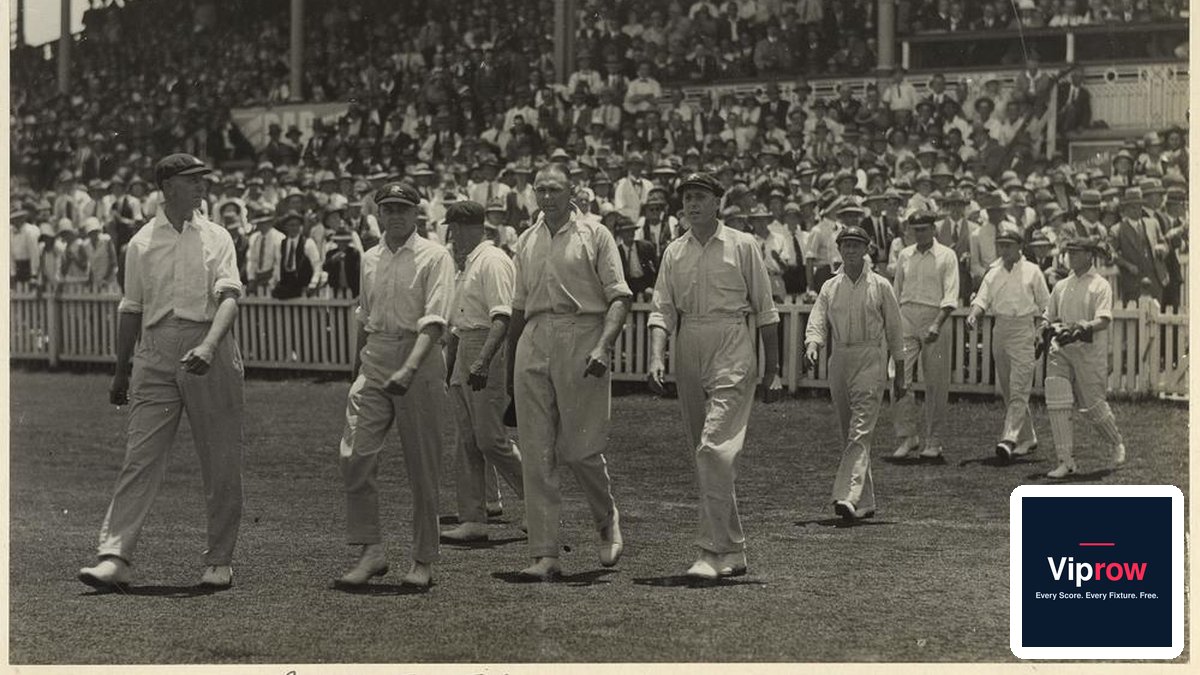
How Cricket Rankings Work: ODI Rankings Explained
The ODI ranking covers 50-over cricket. Each team bats for 50 overs, unless it is bowled out first. The team with more runs wins. If the scores are level, the match can be tied. The ODI table moves faster than the Test table. Teams play more ODI games. A series often has three games. A World Cup can change the table a great deal. The best ODI teams are strong in both batting and bowling.
ODI cricket has changed over the years. Scores are higher now than in the past. Batters hit more boundaries. Bowlers use more slower balls and yorkers. Fielding is faster and sharper. The ranking reflects the current game, not the old game. It uses recent results. A team that was strong five years ago may not be strong now. That is why the table is updated after each series. Fans can see who is in form right now.

How Cricket Rankings Work: T20 Rankings Explained
The T20 ranking covers the shortest format. Each team bats for 20 overs. The game is fast and full of risk. A batter can change a game in a few balls. A bowler can change it with one good over. The T20 table moves the fastest of the three. Teams play many T20 games. A short series can move a team up or down by several places. That makes the table exciting to follow.
T20 cricket is also the most global format. Many countries play T20 games. Some countries play only T20 games at the top level. The ranking includes a large number of teams. A small team can climb fast with a few good wins. A big team can fall fast with a few bad losses. The format is also the base for many leagues, such as the IPL and the Big Bash. You can read our guide to the IPL explained and our guide to how T20 cricket works for more detail.

How Cricket Rankings Work: How Player Rankings Work
Player rankings use a points system too. A batter earns points for runs scored. The points depend on the runs, the match, and the strength of the bowling attack. Scoring runs against a top attack earns more points. Scoring runs in a big match earns more points. A bowler earns points for wickets taken. The points depend on the wickets, the batters dismissed, and the match. A bowler who takes the top batters earns more points.
Player ratings also fall over time if a player does not play. A player who misses games loses points slowly. That keeps the list fresh. It stops a retired player from staying at the top. All-rounders have their own list. An all-rounder is a player who bats and bowls well. The all-rounder rating combines both skills. A player can be on more than one list at the same time. He can be a top batter and a top all-rounder in the same format.

Why Rankings Move After Each Series
Rankings move because new results replace old results. Each new series adds fresh points. Each old series counts less as time passes. A team that wins a series gains points. A team that loses a series loses points. The size of the move depends on the margin and the strength of the rival. A 3-0 win moves a team more than a 2-1 win. A win over the top team moves a team more than a win over a low team.
Rankings can also move when other teams play. A team can fall even when it is not playing. That happens when a rival gains points and passes it. This is a common source of confusion. Fans ask why their team dropped without playing a game. The answer is simple. The table is a list of all teams. If one team moves up, another team must move down. The list is always relative, not fixed.
Rankings, Form and the Real World
Rankings show form over a set period. They do not show who will win the next game. A team ranked first can lose to a team ranked eighth. That happens often in cricket. A single game can turn on one good spell or one great innings. Rankings are a guide, not a promise. They help fans judge a team. They do not decide the result on the day.
Rankings also affect seedings and draws. A top-ranked team may get a better draw in a tournament. A low-ranked team may face a hard group. In addition, rankings affect pride and confidence. Players want to be ranked first. Teams want to be ranked first. A rise in the table can lift a whole squad. A fall can put a coach under pressure. That is why teams care about the rankings, even when a trophy is not at stake.
How to Follow the Rankings
First, check the ICC website for the latest table. Next, note the rating points, not only the place. A team in third place may be only one point behind second. Then, check the next fixtures. Ask which series will matter most. A series between two top teams can change the top of the table. A series between a top team and a low team can change it less. This simple routine helps you follow the rankings with more sense.
You can follow cricket on Viprow with live scores and fixtures. You can also read our guide to how Test cricket works and our guide to how one-day cricket works. For the oldest rivalry in the sport, read our guide to the Ashes explained. These guides help you understand the formats behind the rankings.
Frequently Asked Questions
Who runs the cricket rankings?
The ICC runs the official rankings. It keeps separate tables for Test, ODI, and T20 cricket, for teams and for players in each format.
How is a team rating worked out?
A team earns points from results, with more points for beating strong teams. The rating is the total points divided by the total matches played.
Can a team be first in one format and low in another?
Yes, that is normal. Each format has its own table, because Test, ODI, and T20 cricket need different skills from players and teams.
Why did my team fall without playing?
A team can fall when a rival gains points and passes it. The ranking is a list of all teams, so one team moving up means another moves down.
Where can I check the official rankings?
You can check the official rankings on the ICC rankings website. They are updated after each series. You can also follow live scores on Viprow.
Now you know how cricket rankings work. First, remember the three formats. Next, remember that ratings come from points divided by matches. Then remember that beating strong teams earns more points. In addition, remember that rankings are a guide, not a promise of the next result. As a result, you can follow Test, ODI, and T20 cricket with a clear view of who stands where and why.