How NFL Overtime Works: Possession Rules, Ties and Playoff Changes Explained

NFL overtime can feel confusing the first time you watch it. The game is tied after four quarters, the clock resets, and a new set of rules takes over. In short, NFL overtime is a short extra period that decides a tied game, but the rules change between the regular season and the playoffs. First, you will see how possessions work. After that, you will learn what happens with touchdowns, field goals, ties and two-point conversions. Finally, you will see how the rules differ in the playoffs and in college football. By the end, you will know exactly what to watch for the next time a game goes past sixty minutes.
What Is NFL Overtime?
NFL overtime is the extra period played when the score is tied at the end of regulation. Regulation lasts sixty minutes, split into four quarters of fifteen minutes each. If neither team leads after those four quarters, the game moves into overtime. However, the rules do not work the same way in every game. The regular season uses a shorter period and allows ties. The playoffs use extra periods until a winner emerges. To understand the season that leads to these games, read our guide to how the NFL works, from 32 teams and 17 games to the road to the Super Bowl.
Why Overtime Exists in the NFL
Overtime exists because the NFL wants a clear result when it can get one. So the league added extra time to settle most tied games. At the same time, the league wants to protect player safety. Therefore, the rules try to balance fairness with a short extra period.
How NFL Overtime Starts: The Coin Toss
Every overtime period starts with a coin toss at midfield. The referee meets the two captains at the centre of the field. Then the visiting team captain calls heads or tails while the coin is in the air. The winner chooses whether to receive the ball first or to kick off. In most cases, the winner chooses to receive. After all, the team with the ball first gets the first chance to score. Wind and weather can change the decision. Once the toss is done, the teams line up for the kickoff. A touchback puts the ball on the 25-yard line and gives the offence a clean start.
How Long Is NFL Overtime in the Regular Season?
In the regular season, NFL overtime lasts ten minutes. The league shortened overtime from fifteen minutes to ten minutes in 2017. The main reason was player safety. Yet ten minutes is still enough time for several drives in most games. The clock works in the same way as in the fourth quarter. It stops for incomplete passes, out-of-bounds plays and penalties. When the ten minutes run out and the score is still tied, the game ends as a tie. That result is final in the regular season. In short, the ten-minute limit keeps overtime short, sharp and fair.

NFL Overtime Possession Rules in the Regular Season
The possession rules are the heart of NFL overtime. They decide who gets the ball and when the game can end. In the regular season, each team must get a chance to possess the ball, unless the first team scores a touchdown. That rule is often called the modified sudden-death rule. A field goal is not enough to end the game on the first drive. Instead, the other team must get its own drive. The other team always gets an answer, unless the first team scores a touchdown. So the receiving team has a big reason to push for the end zone. If you want the exact wording, you can read the full rules in the NFL rulebook.
What Counts as a Possession?
A possession starts when a team gains control of the ball. That can happen on a kickoff return, a punt return, an interception or a fumble recovery. The key point is simple. Once a team has the ball and runs a play from scrimmage, it has used its possession. So teams must use each drive with care.
What Happens If the First Team Scores a Touchdown?
If the first team to possess the ball scores a touchdown, the game ends at once. There is no extra point attempt. The team that scored wins the game on the spot. This rule applies in both the regular season and the playoffs. It is the simplest ending in NFL overtime. For that reason, teams that win the toss and receive the ball often aim straight for the end zone. So the defence will fight hard to hold the offence to a field goal. A field goal keeps the game alive and gives the other team a drive. In addition, a defensive touchdown also ends the game at once. If the defence intercepts a pass and returns it for a touchdown, the game is over.

What Happens If the First Team Kicks a Field Goal?
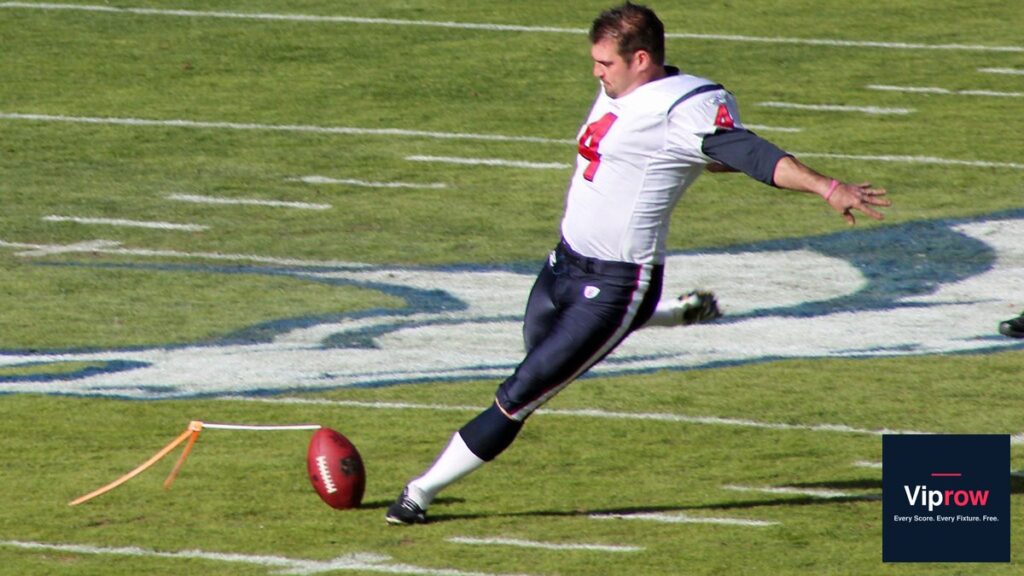
If the first team kicks a field goal, the game does not end. The other team then gets its own possession. Then the other team takes over with a clear task. If it scores a touchdown, it wins the game at once. If it kicks a field goal, the game moves into sudden death. From that point on, the next score of any kind wins the game. The game carries on until one team scores next. In short, a first-drive field goal opens the door. It gives the other team a real chance to win. That is why coaches often go for it on fourth down near the goal line. A touchdown ends the game, while a field goal only invites a reply.
How NFL Overtime Works in the Playoffs
Playoff overtime works in a different way from regular-season overtime. The biggest change came in 2022. Since that change, both teams are guaranteed a possession in the postseason, even if the first team scores a touchdown. The change followed a famous playoff game in January 2022. The Buffalo Bills and the Kansas City Chiefs played a thrilling game that went to overtime. The NFL changed the rule for the playoffs. Now, if the first team scores a touchdown, the other team still gets a drive. If the second team also scores a touchdown, the game moves into sudden death. If the second team fails to score, the first team wins. In addition, playoff overtime has no ten-minute limit. If the score is still tied after one period, the teams play another period. To learn how teams reach the playoffs, read our guide to how the NFL playoffs work, from seeds and the wild card round to the road to the Super Bowl. And to see what waits at the end of that road, read our guide to the Super Bowl explained, from its history and halftime show to how to watch in the UK.
Extra Periods and the Two-Minute Warning
Each playoff overtime period lasts fifteen minutes. Between periods, there is a two-minute break. The game carries on in this way until one team leads at the end of a period, or scores in sudden death. In practice, most playoff overtime games end in the first period. Still, the rule means no playoff game can end in a tie. A winner must emerge, even if it takes a long time.

Can an NFL Game End in a Tie?
Yes, an NFL game can end in a tie, but only in the regular season. That happens when the ten-minute overtime period ends with the scores still level. Ties are rare in the NFL. The reason is simple. Ten minutes is usually enough for at least one team to score. Still, ties do happen. A tie counts in the standings as half a win and half a loss for each team. That can matter late in the season. A tie can decide a playoff place or a division title. Coaches would rather win, yet a tie is better than a loss. In the playoffs, a tie is not possible. The game keeps going until one team wins.
Two-Point Conversions and Timeouts in NFL Overtime
Two-point conversions can play a big part in NFL overtime. A two-point conversion is worth two points instead of one. In overtime, that choice can decide the game. For example, a team that trails by one point after a touchdown can try a two-point conversion to win at once. Coaches must weigh the risk with care. A two-point try is risky but can win the game. In the playoffs, the choice matters even more. Since both teams get a possession, the second team knows exactly what it needs. If the first team scored a touchdown and kicked the extra point, the second team can try a two-point conversion after its own touchdown to win the game. That bold call has decided real playoff games. Timeouts work in a different way in overtime too. Each team gets two timeouts, not three. Teams must use them with care. However, once the timeouts are gone, the team cannot stop the clock except by going out of bounds or throwing an incomplete pass. All scoring plays and turnovers are reviewed on video at any time.
How NFL Overtime Differs From College Football Overtime
NFL overtime and college football overtime look nothing alike. In college football, each team starts its drive at the opponent’s 25-yard line. There is no kickoff. The teams take turns from the same spot. From the third period onward, teams must try a two-point conversion after a touchdown instead of kicking an extra point. The NFL format is different in every way. It uses a kickoff, a full field, and a running clock. The NFL game can end on a first-drive touchdown in the regular season. If you follow football in other forms too, you may enjoy our guide to how football penalty shootouts work, from the rules and order to sudden death. In short, college overtime is a shootout from the 25-yard line. NFL overtime is a short extra period of real football, with kickoffs, punts and field position.
Why NFL Overtime Rules Changed Over Time
NFL overtime rules have changed many times since the league first added overtime in 1974. At first, the rules were simple sudden death. The first team to score in any way won the game. Then, in 2010, the league changed the rule for the playoffs. A field goal on the first drive no longer ended a playoff game. In 2012, the league applied the same rule to the regular season. Then, in 2017, the league shortened regular-season overtime from fifteen minutes to ten minutes. Finally, in 2022, the league changed the playoff rule again. Both teams now get a possession in the playoffs, even if the first team scores a touchdown. For now, the current rules are the fairest version the NFL has used. Teams also build their rosters for these moments through the draft, so to learn how that works, read our guide to how the NFL draft works, from picks and rounds to trades.
The Famous Games That Forced Change
A few famous games pushed the league to act. The 2010 playoff change followed the 2009 NFC Championship Game, where the New Orleans Saints beat the Minnesota Vikings with a field goal on the first drive of overtime. The Vikings never touched the ball. That ending showed the league that the coin toss had too much power. So the rules changed.
Conclusion: NFL Overtime in Plain Words
NFL overtime is simple once you know the key rules. In the regular season, it lasts ten minutes. Each team gets a possession unless the first team scores a touchdown. A field goal on the first drive gives the other team a chance to answer. After both teams have had the ball, the next score wins. If the scores are still level after ten minutes, the game ends in a tie. In the playoffs, both teams always get a possession, and the game keeps going until a winner emerges. So the next time a game is tied after four quarters, you will know what to watch. That is NFL overtime, and it often gives fans the best finish of the whole week.