How Boxing Pay-Per-View Works: PPV Prices, Undercards and Fight Night Explained
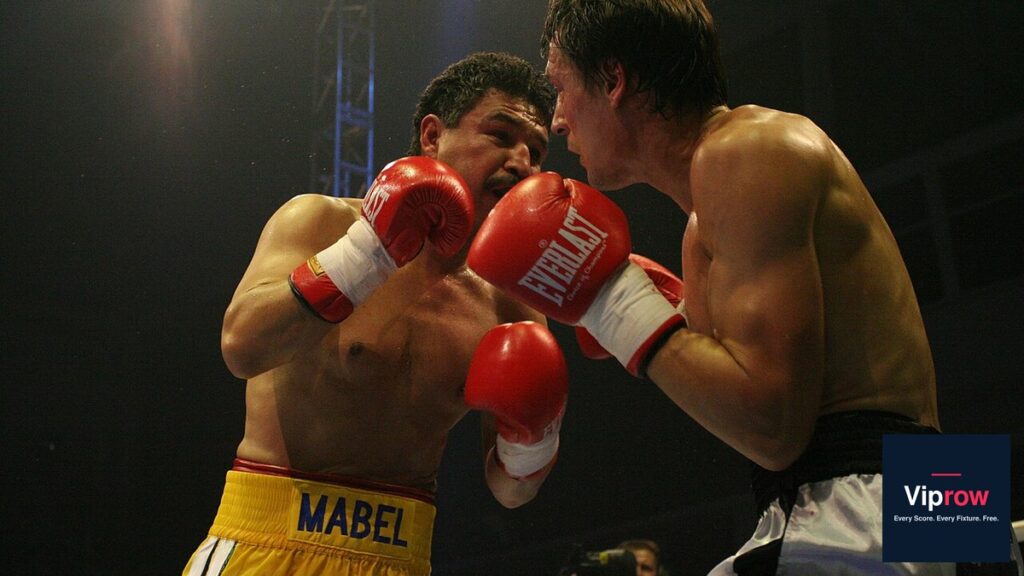
If you are new to boxing, then pay-per-view can feel confusing at first. Many fans ask the same simple question before a big fight. How does it work, how much does it cost, and what do you get for your money? This guide explains how boxing pay-per-view works in plain words. It covers what PPV means, how fans buy a fight, what the price often looks like, what the undercard and main event are, and how fighters are paid.
What Pay-Per-View Means in Boxing
Pay-per-view, or PPV for short, is a simple idea. Instead of paying a monthly fee for a whole channel, you pay once for one single event. In other words, you buy access to that fight night only. After that, you can watch it live at the time it happens. Then the access ends. It does not give you other fights for free.
In boxing, PPV is used for the biggest fights. For example, a world title fight or a huge star against a big rival will often be sold as PPV. In football, one league often sells the rights for a whole season. In boxing, each promoter makes a deal for each fight.
Why Boxing Uses PPV for Big Fights
Big fights cost a lot to stage. The venue, the fighters, the broadcast team, and security must all be paid for. PPV helps to pay for that cost, because each fan who buys the fight adds to the total income. Ticket sales and sponsor money add more income too.
How a Fight Becomes a Pay-Per-View Event
Not every fight becomes a PPV event. In fact, most fights do not. A promoter and a broadcaster look at the size of the fight first. Then they look at the names, the titles, and the story behind the fight. After that, they decide if fans will pay extra for it.
A fight is more likely to be PPV when a world title is on the line. It is also more likely when two famous names meet. In addition, a long rivalry, an unbeaten record, or a unification fight can push a card onto PPV. In short, the bigger the stakes, the more likely the PPV label will appear.
Who Decides the Price and the Platform
The promoter and the broadcaster agree the deal together.
The promoter stages the fight and builds the card. The broadcaster shows the fight and takes the payment from fans.
How Fans Buy a Fight on Pay-Per-View
Buying a PPV fight is now much easier than it was in the past. In the old days, fans often ordered through a cable TV box and paid on their monthly bill. Today, most fans buy through an app or a website. First, you open the official platform for that fight. Next, you create an account or sign in. Then you pay for the event with a card. After that, you can watch on a TV, a phone, a tablet, or a computer.
Some platforms ask you to have a subscription first. Others let you buy the PPV on its own, with no monthly plan. In addition, some PPV events are now included in a higher subscription tier. For example, DAZN launched an Ultimate tier that includes a minimum of 12 PPV events per year.
How to Watch on Fight Night
On fight night, open the app a little early. Press play when the broadcast starts. In most cases, the show starts hours before the main event, with the early fights first. If your stream stops, first check your internet connection. Next, close the app. Open it again.
What a Boxing Pay-Per-View Costs
The price of a boxing PPV is not fixed. Instead, it changes with the size of the fight, the country, and the platform. For this reason, there is no single price that fits every fight. However, there are clear and typical ranges that fans can use as a guide.
In the United Kingdom, PPV boxing typically costs up to around 25 pounds per fight, depending on the event. For example, DAZN has said that it aims to keep its one-off PPV cost at under 24.99 pounds in the United Kingdom. In the same guide, DAZN listed typical costs of 69.99 dollars in the United States and Canada, and 19.99 euros in Europe.
What the Price Usually Includes
When you buy a PPV, you are not buying one fight only. In most cases, you are buying the whole card. That means you get the undercard fights, the build-up, the ring walks, and the main event. In addition, you often get the post-fight interviews. The price is a one-off payment. You pay once and you do not sign up for a monthly plan.
The Undercard Explained
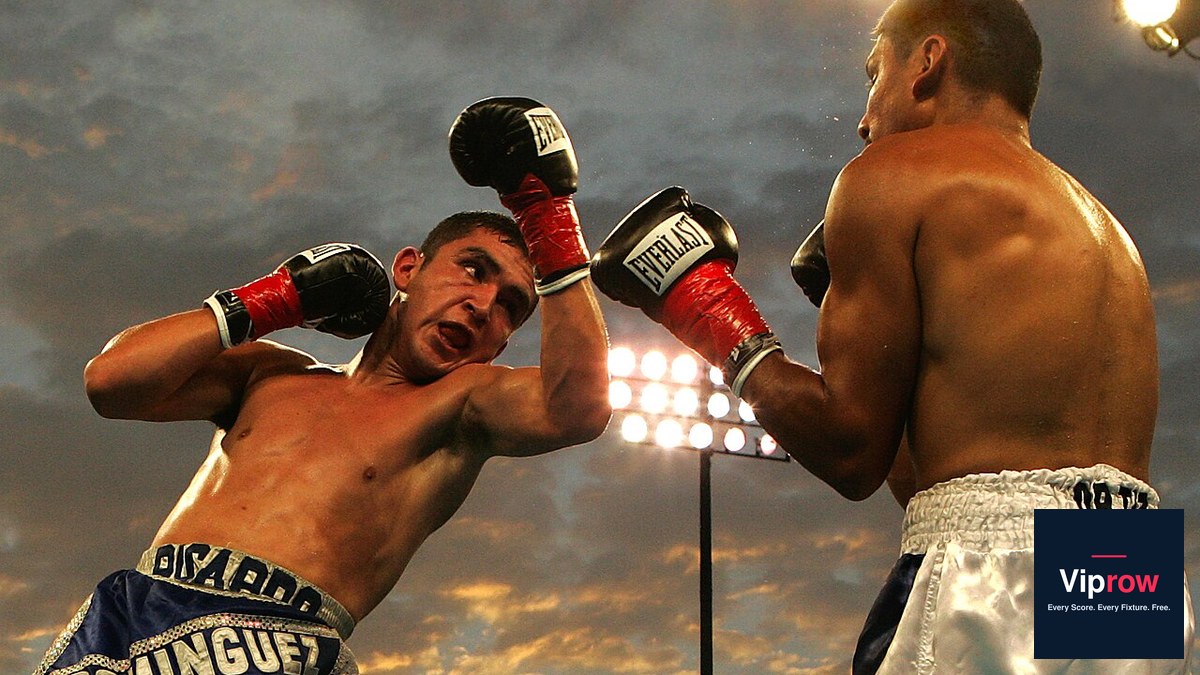
The undercard is the set of fights that take place before the main event. In simple words, it is the support act for the big fight. It often includes four, five, or six fights. Some of those fights are for titles. Others are for young prospects who need more experience. Still others are for local fighters who can bring a crowd to the arena.
The undercard matters for three clear reasons. First, it gives fans value for money. You are paying for a full night of boxing, not only for one fight. Second, it gives young fighters a big stage. A good win on a PPV undercard can change a young career in one night. Third, it builds the mood in the arena. Each fight adds noise and excitement before the main event starts.
How the Undercard Is Built
The promoter builds the undercard with care. First, the promoter looks for fights that will entertain the crowd. Next, the promoter looks for a mix of styles, weights, and stories. Then the promoter adds title fights where they fit. A good undercard will often include a rising star, a local favourite, and a competitive title fight.
The Main Event and the Fight Night Timeline
The main event is the last fight of the night. It is the fight that most fans paid to see. It is also the fight that gets the most build-up, the longest ring walk, and the most attention. In short, the whole night leads to the main event.
A typical fight night follows a clear order. First, the early undercard fights take place. Then the televised undercard fights begin. After that, the broadcast team talks about the main event and shows the highlights. Next, the fighters walk to the ring, one after the other. Then the referee gives the final instructions. The bell rings, and the main event begins. The main event often starts late. In the United Kingdom, a big main event may start close to midnight, or even after midnight.
Ring Walks and the Main Fight
The ring walk is part of the show. Each fighter walks to the ring with music and lights. The champion often walks second. Once the fight starts, the main event follows the same rules as any other professional fight. A world title fight is usually 12 rounds. Each round lasts three minutes, with a one-minute rest between rounds. To learn how those rounds are scored, read our guide to how boxing judges score a fight.
How Fighters Are Paid From Pay-Per-View
Fighters are not all paid in the same way. In fact, the pay gap on one card can be very large. The main event stars may earn millions, while the early undercard fighters may earn far less. Most headline fighters have a deal with two parts. The first part is a guaranteed purse, which is the minimum amount the fighter will be paid, even if the PPV sells less than expected. The second part is a share of the extra income, which can come from PPV sales, ticket sales, and other income from the event. As a result, a huge PPV night can lift a star far above the guarantee.
Undercard fighters are often paid a flat purse, which is written into the bout contract. For example, commission records from a 2012 Las Vegas PPV card showed undercard fighters earning from 1,200 dollars to 8,500 dollars. Those figures are old. They are only examples, not today’s rates.
What Comes Out of a Fighter’s Purse
A purse is the gross amount, not the final amount in the bank. After the fight, several costs come out of it. First, the manager often takes a cut, commonly from 15 percent to 33 percent. Next, the trainer often takes around 10 percent. Then training camp costs, travel costs, and cutman fees must be paid. In addition, a title fight can carry a sanctioning fee, often around 3 percent of the purse. To see which belts can be on the line, read our guide to boxing title belts.
How PPV Buys Are Counted and Reported
After a big fight, the news often reports a PPV buy number. But how is that number made? In simple terms, a buy is one purchase of the event. Each home, each account, or each order counts as one buy, even if several people watch together in one room. So the buy number is not the same as the number of viewers. In fact, the true number of viewers is often much higher than the buy number.
Buys are counted from all the places that sold the fight. That includes cable and satellite providers, streaming apps, and other official sellers. Each seller reports its sales to the promoter or the broadcaster. Then the totals are added together. After that, the promoter or broadcaster may share the total with the press. In some cases, the first figure is an early estimate. Then a final figure may follow days or weeks later, once all the sales are counted. For this reason, treat early PPV figures with care. Look for the source before you trust a number.
Why PPV Numbers Matter to Boxing
PPV numbers show demand in a clear way. A high number means many fans were willing to pay for that fight. That can lead to a rematch, a bigger fight, or a better deal for the fighters. A low number can make the next fight harder to sell.
The Biggest Pay-Per-View Night and Is It Worth It
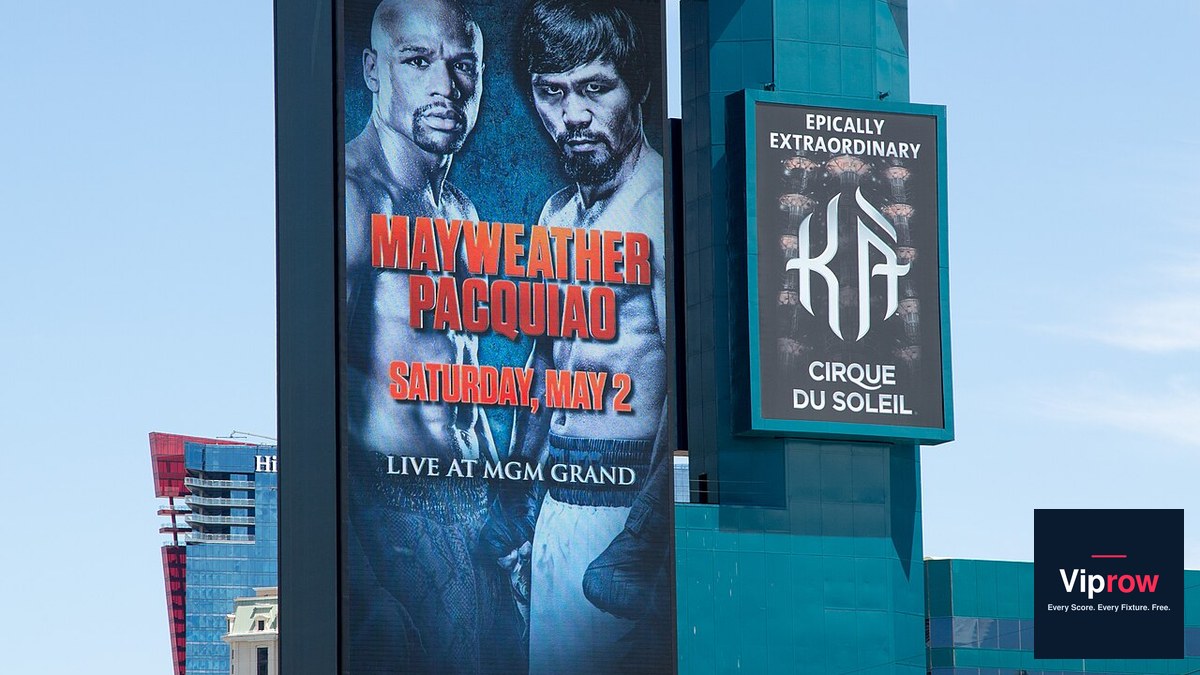
No guide to PPV is complete without the biggest night of all. On 2 May 2015, Floyd Mayweather Jr. faced Manny Pacquiao at the MGM Grand in Las Vegas. The fight was billed as the Fight of the Century. Fans had waited years for it. Mayweather won by unanimous decision after 12 rounds. The event drew an estimated 4.6 million PPV buys in the United States, far above the old record of 2.48 million buys for Mayweather against Oscar De La Hoya in 2007. It also made more than 437 million dollars from PPV sales alone. The live gate was 72,198,500 dollars from 16,219 tickets. The PPV price was 89.95 dollars for standard definition and 99.95 dollars for high definition.
The two fighters had agreed to split the revenue 60-40 in favour of Mayweather.
Since that night, no boxing PPV has matched the 4.6 million buys. That is why the 2015 fight is still used as the mark for PPV success.
A Simple Checklist Before You Buy
So is a boxing PPV worth the price? The answer depends on the fight. If the main event is a huge title fight, and the undercard is strong, then many fans will say yes. If the main event is weak, and the undercard is thin, then many fans will wait for the highlights instead. To learn the divisions on the card, read our guide to boxing weight classes. Then use this checklist: confirm the official broadcaster, confirm the date and ring walk time, check the full card, check the price and replay terms, and test your internet before the show starts. For more fight dates, check our schedule page. For the best moments after the night, visit our highlights page.