
Cricket can look confusing at first. Yet batting is simple once you know the basics. In short, the batter tries to score runs. At the same time, the bowler tries to get the batter out. This guide explains how cricket batting works in plain words. Once you know the main terms, the game opens up. You can follow each ball with more ease. And you can enjoy the battle between batter and bowler.
What Batting Means in Cricket
Batting is the act of scoring runs with a bat. Two batters are on the field at one time. One faces the bowling. The other waits at the far end. Their job is to add runs to the team total. The batter must decide in a split second. Should they hit the ball? Or should they leave it alone? That is how cricket batting works in a nutshell.
Patience matters as much as power. A good batter defends good balls and attacks loose ones. As a result, they stay at the crease for a long time. So batting blends defence, attack, and smart judgment. A batter reads each ball and then picks a plan. A full ball may call for a drive. A short ball may call for a pull.
The Basics: Bat, Ball, Crease and Wicket
The Bat
The bat is flat on one side and made of wood. It has a handle and a wide blade. The batter holds the handle with both hands. The blade meets the ball. A straight bat face sends the ball in a safe direction. Batters pick a bat that feels right in their hands. A bat that is too heavy slows the swing. A light bat suits quick hands. A heavier bat suits strong drives. In the end, comfort matters most.
The Ball, the Pitch and the Crease
The ball is hard and round, with a raised seam. Bowlers use the seam to make the ball move in the air or off the pitch. The pitch is the strip of ground between the two sets of stumps. It is 22 yards long. At each end, white lines mark the crease. The batting crease shows where the batter stands. The batter must keep part of the bat or body behind this line. The pitch can change as the match goes on. So batters watch how each ball acts.
The Wicket and the Stumps
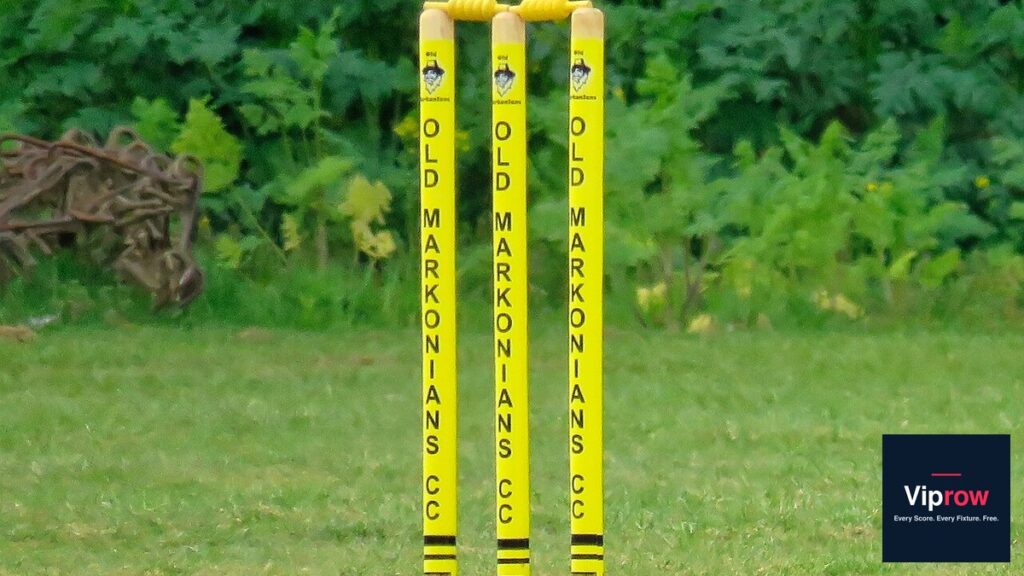
The wicket is the set of three stumps and two small bails at each end. The stumps stand upright in the ground. The bails sit in grooves on top. If the ball hits the stumps hard enough, a bail falls. Then the batter may be out bowled. For that reason, the batter guards the stumps with care. A straight bat covers the stumps best. A gap between bat and pad leaves room for the ball.
How Runs Are Scored
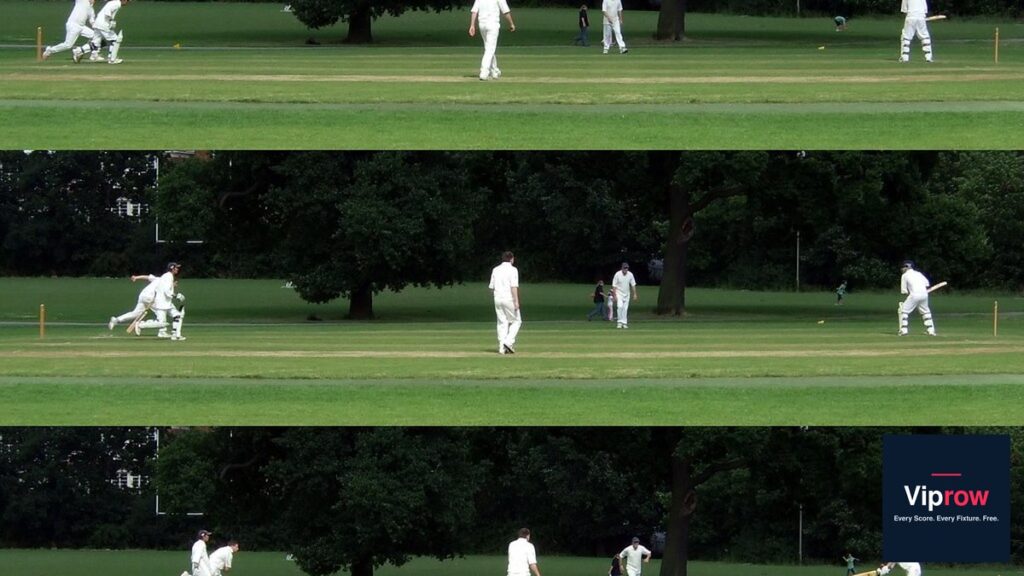
Batters score runs by hitting boundaries and by running between the wickets. That is how cricket batting works at its simplest.
Boundaries: Fours and Sixes
A four is scored when the ball reaches the boundary rope after touching the ground. A six is scored when the ball clears the boundary rope without touching the ground first. Boundaries are the fastest way to score. A mistimed shot can fly to a fielder. Then the batter is out caught. So batters weigh risk against reward on each ball. A safe single may serve the team better.
Running Between the Wickets
When the batter hits the ball into a gap, the pair can run. The batters cross over and swap ends. They must ground the bat or a foot behind the crease at each end. If they run well, they can take two or three runs from one hit. One batter calls “yes” or “no” clearly. Hesitation causes run outs.
Extras Add Runs Too
Sometimes runs come without the bat touching the ball. These are called extras. A wide ball is too far from the batter to hit fairly, so it adds a run. A no-ball is an illegal delivery, and it also adds a run. Extras count for the team, but not for the batter’s own score. Still, extras can change a close match. A side that gives away few extras helps its bowlers.
The Main Batting Shots Explained
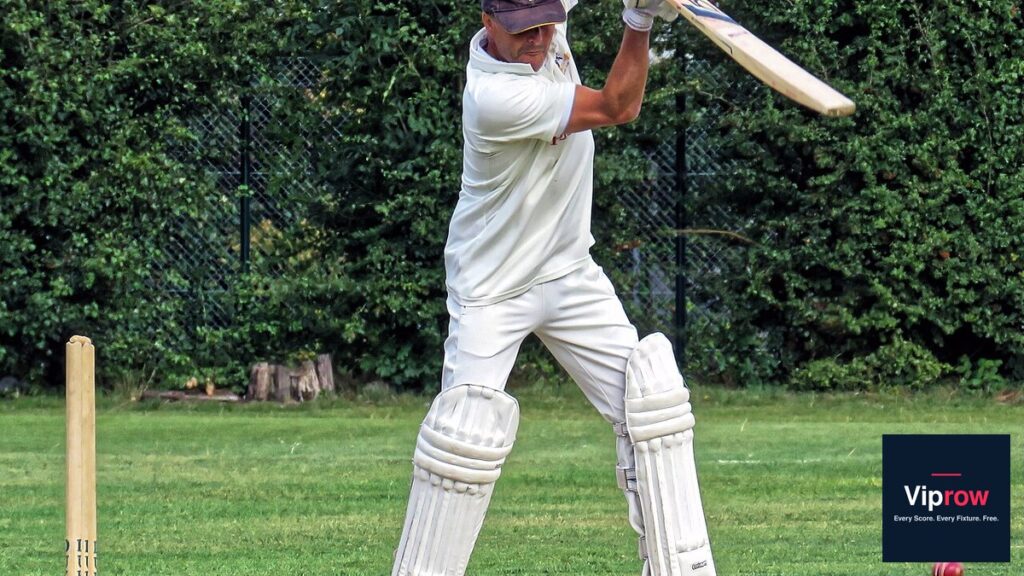
Each shot suits a different ball. Here are the main ones, in plain terms. Together they show how cricket batting works in practice.
The Forward Defence
The forward defence is the safest shot in cricket. The batter steps forward and meets the ball with a straight bat. No run is scored, but the wicket stays safe. Batters use this shot against good balls on a good length. It is the foundation of solid batting. Young batters learn it first. It builds trust in their defence.
The Drive
The drive is an attacking shot played to a full ball. The batter leans forward and swings the bat through the line of the ball. A cover drive goes through the off side, past the fielders near cover. When timed well, a drive races to the boundary. But a drive needs a full ball; against a short ball it is risky. Footwork makes the shot work. The front foot moves to the ball first.
The Cut
The cut is played to a short, wide ball outside off stump. The batter waits for the ball and cuts it square or behind point. The shot uses the pace of the ball, so power matters less. Timing does the work. A late cut guides the ball fine, past the keeper.
The Pull and the Hook
The pull and the hook attack short balls aimed at the body. For a pull, the batter swivels and hits the ball in front of square leg. For a hook, the ball is shorter still, near shoulder height. The batter hits it behind square, often in the air. These shots can bring quick boundaries, but they are risky. A top edge can fly to a fielder. So batters pick their moment with care. They play these shots only when the length is right.
The Sweep
The sweep is a key shot against spin bowling. The batter kneels and sweeps the ball around to the leg side. A slog sweep goes in the air over mid-wicket. The sweep is useful when the ball turns a lot. However, the sweep has a clear risk. If the batter misses, the ball can hit the pads. Then the umpire may give them out LBW. To learn about the bowlers batters face, read our guide to how cricket bowling works, with pace, spin and swing explained.
Leaving the Ball
Leaving the ball is a skill, not a weakness. When a ball is wide or rising past the stumps, the batter simply lets it go. The ball passes through to the keeper. No shot is played. No risk is taken. Good batters leave many balls outside off stump. This frustrates bowlers. It also protects the wicket. In short, knowing when not to play is part of good batting.

Strike, Changing Ends and the Non-Striker
Strike means facing the bowling. The striker stands at the crease and faces each ball. The non-striker stands at the other end and watches. After each over of six balls, the bowling switches ends. As a result, the pair swap roles. The old non-striker now faces the bowling. That swap is part of how cricket batting works.
In addition, the pair swap ends when they complete an odd number of runs. One run or three runs changes who faces the next ball. Two runs or four runs keeps the same batter on strike. Batters plan around this. A strong batter may try to keep strike by taking a single off the last ball of an over. Meanwhile, the non-striker backs up as the bowler runs in and calls runs clearly. Good pairs talk all the time. They plan each run before the ball is bowled.
How a Batter Can Get Out
A batter’s innings ends when they are dismissed, or out. There are several ways this can happen. The Laws of Cricket set them out in full. You can read the official rules on the MCC Laws of Cricket page. Knowing the ways a batter can get out is part of how cricket batting works.
Bowled
Bowled is the simplest dismissal. The ball hits the stumps and knocks off a bail. The batter is out at once. If the ball goes on to hit the stumps, the batter is bowled. So batters guard their stumps with a straight bat and careful footwork.
Caught
Caught is the most common dismissal in cricket. The batter hits the ball in the air. A fielder catches it before it touches the ground. Then the batter is out. If the ball bounces first, the batter is not out. Catches can happen anywhere on the field. The keeper and slips take edges behind the stumps. Some catches look easy. Others need a long run or a full dive.
LBW: Leg Before Wicket
LBW is the hardest dismissal to grasp at first. It happens when the ball hits the batter’s leg or body and would have gone on to hit the stumps. Several checks apply. First, the ball must pitch in line with the stumps or outside off stump. Second, the batter must not have hit the ball with the bat. Third, the ball must be heading for the stumps. The umpire judges all of this in a moment. That is why LBW calls spark debate. Fans and players watch the replay with care.
Run Out and Stumped
A run out happens during a run. The fielding side hits the stumps with the ball while the batter is still out of their ground. The batter must be safely behind the crease. If not, they are out. Run outs often come from sharp fielding and quick throws. They also come from poor calling or hesitation between the wickets.
Stumped is like a run out, but the keeper does it. The batter steps out of the crease to play a ball. They miss it. Then the keeper collects the ball and breaks the stumps before the batter gets back. Stumpings happen most against spin bowlers.
Hit Wicket and Other Rare Dismissals
Hit wicket is rare but simple. The batter hits their own stumps with the bat or body while playing a shot. The bail falls. Then they are out. It often happens when a batter plays a big pull or steps back too far.
A few other dismissals exist in the Laws, though they are rare. They cover handled the ball, obstructing the field, and timed out.
Batting in Different Formats
In Test cricket, matches last up to five days. Batters have time to build long innings. Patience is vital. A batter may face hundreds of balls. They defend with care and punish loose balls. To learn how rankings work, read our guide to how cricket rankings work across Test, ODI and T20 cricket.
In one-day cricket, each team bats for 50 overs. Batters must balance patience and attack. They build a base in the early overs. Then they speed up near the end. A team with wickets left can score fast in the last ten overs. So batters plan their innings in stages. Wickets in hand late in the innings bring fast runs.
In T20 cricket, each team bats for only 20 overs. Every ball matters. Batters attack from the start. They look for boundaries often. Big shots are normal. Even so, smart batting still wins matches. Batters pick the right ball to hit. To learn the shortest format in full, read our guide to how T20 cricket works.
Final Thoughts on How Cricket Batting Works
Batting is the heart of cricket. It blends skill, patience, timing, and courage. A batter must watch the ball, pick the right shot, and protect the stumps. They stay out by defending well and judging risk. They lose their wicket through a bowled ball, a catch, an LBW, a run out, or a stumping.
Big matches test these skills most of all. For a famous example, read our guide to the Ashes, its history, format and the England versus Australia rivalry.
So next time you watch a match, look closer. Watch the batter’s feet, the bat face, and the calling between the wickets. To stay close to the action, follow our live cricket scores page. Above all, enjoy the contest between bat and ball. Each ball brings a fresh choice. Each choice shows skill, nerve and timing.
1 thought on “How Cricket Batting Works: Shots, Running and Dismissals Explained”