How Cricket Bowling Works: Pace, Spin and Swing Explained
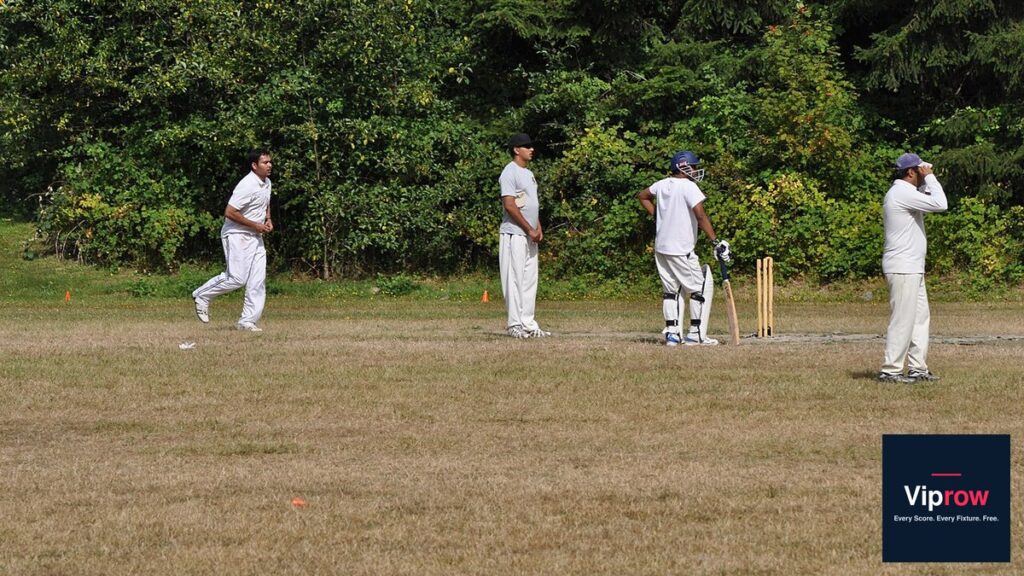
Bowling is the heart of cricket. In short, the bowler tries to get the batter out, or to stop the batter from scoring runs. At the same time, the batter tries to hit the ball and score. As a result, every ball is a small contest. First, the bowler plans the delivery. Then, the bowler runs in and releases the ball. After that, the batter must read the line, the length, the pace, and the movement. Therefore, a good bowler does far more than bowl fast. In fact, bowling is a mix of skill, control, timing, and smart thinking.
So, this guide explains how cricket bowling works in plain English. It covers the basic rules, the main types of bowling, and the key deliveries that every fan should know. In addition, it shows how pace, spin, and swing change the game. By the end, you will watch a match with fresh eyes. You will see why a slow ball can be more deadly than a fast ball. And you will know what the umpire means by a no-ball, a wide, and a free hit.
What Bowling Means in Cricket
Bowling means delivering the ball towards the batter, under the Laws of Cricket. The bowler stands at one end of the pitch, runs in, and bowls the ball overarm towards the stumps at the other end. However, the bowler cannot throw the ball. Instead, the arm must stay straight at the elbow once it passes shoulder height, until the ball leaves the hand. If the elbow bends too much, the umpire can call a no-ball for an unfair action. In international cricket, the limit for elbow straightening is 15 degrees.
At the same time, bowlers must land the ball in a good area, often just short of a full length, where the batter must decide to play forward or back. In contrast, a bad ball is too short, too wide, or too full, and the batter can hit it with ease. Therefore, control matters as much as speed. A bowler who lands the ball in the same spot, again and again, will build pressure, and pressure leads to mistakes. In short, bowling is about control, movement, and variation.
The Legal Delivery, No-Balls and Wides
A legal delivery must follow the Laws of Cricket. First, the bowler must tell the umpire whether they bowl right-handed or left-handed, and whether they bowl over the wicket or round the wicket. If the bowler changes this plan without telling the umpire, the umpire calls a no-ball. Second, the feet must land in the right place. In the delivery stride, some part of the front foot must land behind the popping crease. Also, the back foot must land inside the return crease, and it must not touch the line. If either foot is in the wrong place, the umpire calls a no-ball. A no-ball gives the batting side one penalty run at once, and the ball does not count in the over.
In one-day and Twenty20 internationals, the ball after a no-ball is a free hit. A wide is a delivery that passes too far from the batter for a normal cricket stroke. A wide also gives one penalty run, and it does not count in the over. To learn how the longest format uses these rules, read How Test Cricket Works: A Beginner’s Guide.
The Over: Six Legal Balls
An over is a set of six legal deliveries bowled by one bowler from one end. After six legal balls, the umpire calls “Over”, and a new bowler bowls the next over from the other end. However, a no-ball and a wide do not count as one of the six legal balls. Therefore, the bowler must bowl another ball to complete the over. As a result, an over with two wides and a no-ball has nine deliveries in total.
In Test cricket, a bowler can bowl as many overs as the captain wants, in separate spells.
In a one-day international, each bowler can bowl at most ten overs; in a Twenty20 international, each bowler can bowl at most four overs.
The over is the basic unit of bowling. It sets the rhythm of the match. A good over builds pressure, even if it takes no wicket.
Pace Bowling: Speed, Bounce and Pressure
Pace bowling, also called fast bowling, uses speed and movement to trouble the batter. Fast bowlers run in with a long run-up, and they release the ball at high pace. In general, fast bowlers bowl at speeds above 130 kilometres per hour, while medium-fast bowlers bowl at a slower pace. However, raw speed alone is not enough.
A good pace bowler also uses bounce, line, and length. A ball that bounces from a good length rises towards the batter’s gloves or chest. As a result, the batter must play with soft hands, or risk an edge to the slips. Therefore, pace bowlers aim for a length that forces a choice. They also use the new ball, when it is hard and shiny. At that stage, the ball carries well, and it can swing in the air.
Swing Bowling: Curve in the Air
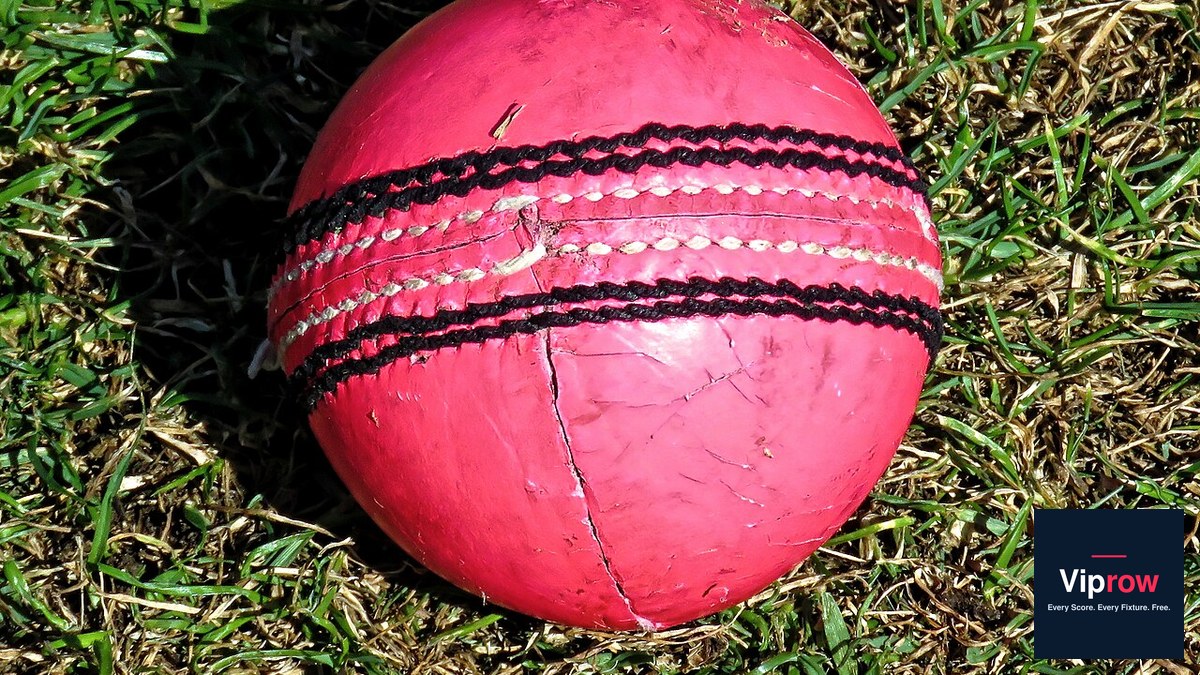
Swing is sideways movement through the air, before the ball bounces. It happens because air flows in a different way over each side of the ball. The ball has a raised seam around its middle. When the bowler holds the seam upright and angles it, the air moves faster on one side and slower on the other side. As a result, the ball curves to one side. One side of the ball is kept shiny and smooth, while the other side becomes rough with use. This contrast makes the swing stronger.
Swing works best with a new ball, in humid or overcast conditions, and with a good seam position. An outswinger moves away from a right-handed batter, towards the slips. It tempts the batter to chase the ball, and it can take the outside edge. In contrast, an inswinger moves into the right-handed batter, towards the pads and the stumps. For this reason, swing bowlers are most dangerous in the first overs of an innings. They use the new ball, the fresh seam, and the early moisture in the air.
Reverse Swing and Seam Movement
Reverse swing is one of the most famous skills in cricket. It happens with an older ball, often after 30 or 40 overs of a Test innings. At that stage, one side of the ball is very rough, while the other side is kept smooth and heavy. When the bowler bowls at high pace, the ball swings in the opposite direction to normal swing. In other words, it swings towards the shiny side, not the rough side. As a result, the batter expects the ball to move one way, but it moves the other way.
For this reason, reverse swing is a key weapon in the later stages of a Test match. Seam movement is different from swing. Swing happens in the air, before the ball bounces. Seam movement happens after the ball lands on the pitch. When the ball lands on its seam, it can grip the surface and move to one side. For a look at how the shortest format changes these plans, see How T20 Cricket Works: The Shortest Format Explained.
Spin Bowling: Turn, Flight and Deception
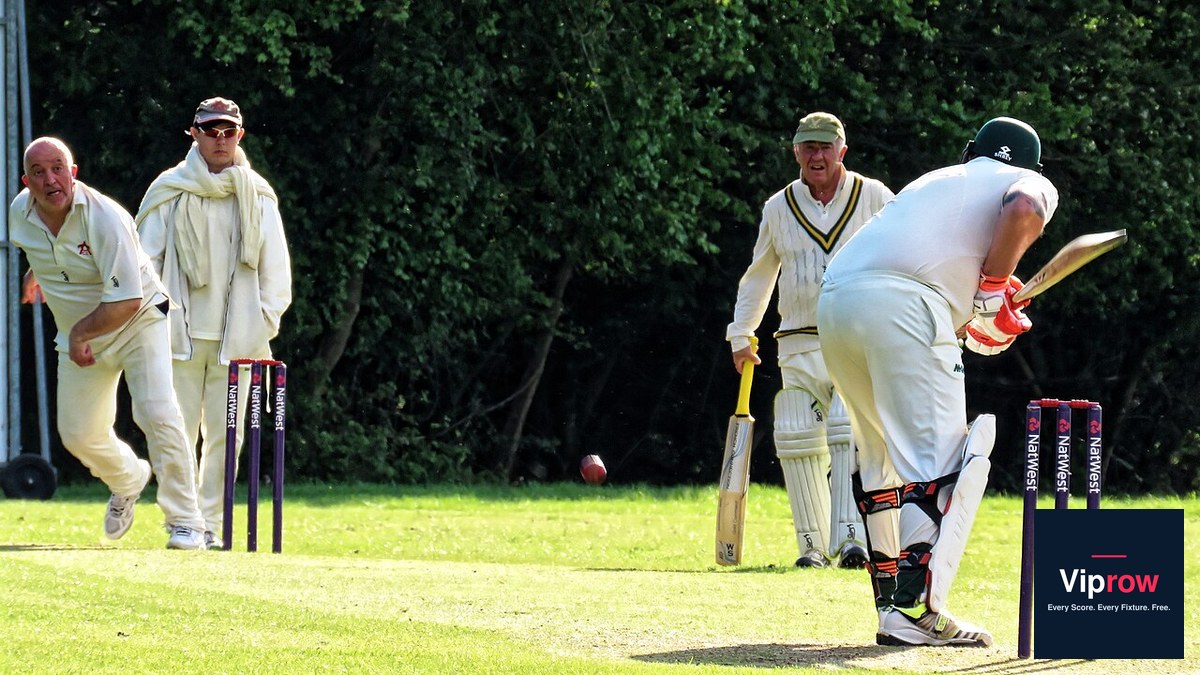
Spin bowling uses rotation to make the ball turn after it bounces. Spinners bowl at a much slower pace than fast bowlers, often between 75 and 95 kilometres per hour. However, they make up for the lack of pace with turn, flight, and guile. Flight means the path of the ball through the air. A spinner can toss the ball up high, so it dips late and tempts the batter forward. Then, the ball turns, and the batter is stranded out of the crease.
There are two main families of spin. Finger spin uses the fingers to roll the ball. Wrist spin uses the wrist to spin the ball. Spinners come into their own on dry, worn pitches, late in a Test match. As the pitch breaks up, the ball grips the surface and turns more.
Off-Spin: Turn Into the Batter
Off-spin is finger spin, most often bowled by a right-arm bowler. The bowler rolls the fingers over the ball, so it turns from the off side towards the leg side for a right-handed batter. In other words, the ball turns into the batter. The stock ball is the off-break. It lands outside off stump, and it turns back towards the stumps. Off-spinners also use key variations. The arm ball does not turn, and it drifts on with the arm. The doosra looks like an off-break, but it turns away from the right-handed batter, like a leg-break. The name means “the other one” in Hindi and Urdu. In short, off-spin is about control and patience.
Leg-Spin: Turn Away and the Googly
Leg-spin is wrist spin, most often bowled by a right-arm bowler. The bowler uses the wrist to spin the ball, so it turns from leg to off for a right-handed batter. In other words, the ball turns away from the bat. Wrist spin gives more turn and more variety than finger spin, but it is harder to control.
The stock ball is the leg-break. It lands on leg stump, and it turns away towards off stump. The most famous leg-spin variation is the googly, also called the wrong’un. It comes out of the back of the hand, and it turns the other way, into the right-handed batter. The batter expects the ball to turn away, but it comes back in. To see how the best bowlers are ranked across formats, read How Cricket Rankings Work: ICC Test, ODI and T20 Rankings Explained.
The Key Deliveries: Yorker, Bouncer and Slower Ball
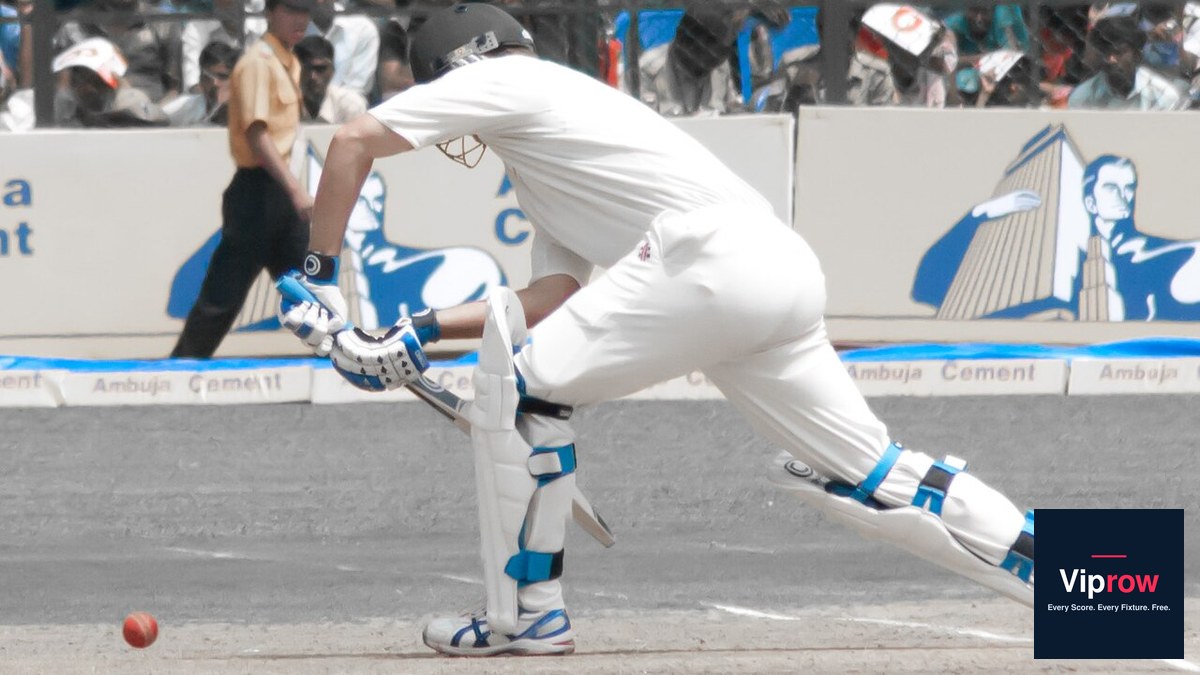
Every bowler needs a set of key deliveries. These are the balls that win matches in tight moments. First, the yorker is a full-length ball aimed at the batter’s toes, or at the base of the stumps. It pitches very late, and it gives the batter almost no time to get the bat down. As a result, it is very hard to hit. It is the main weapon in the death overs of limited-overs cricket.
Second, the bouncer is a short ball that rises towards the batter’s chest or head. It pushes the batter back, and it makes the batter play with caution. Under ICC playing conditions, a bowler can bowl two bouncers per over in Tests and one-day internationals, and one per over in Twenty20 internationals. Third, the slower ball looks like a normal fast delivery, but it reaches the batter at a much slower pace, so the batter plays too early and often lofts a catch.
Length, Line, Field Settings and Why Bowling Wins
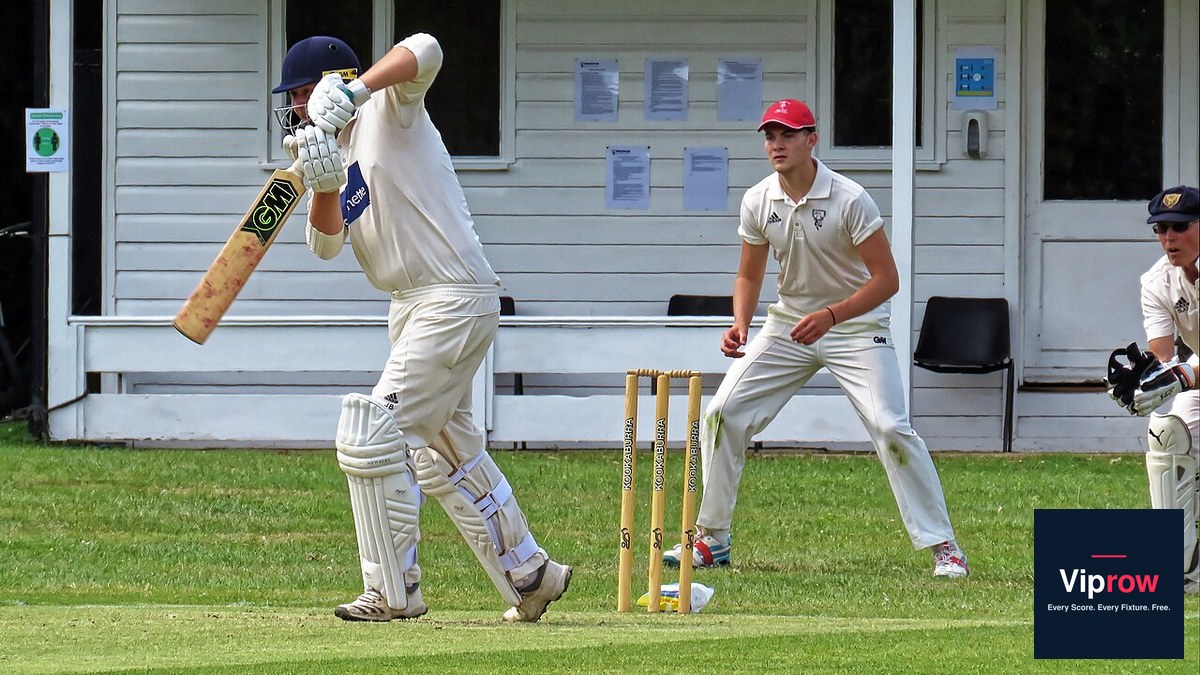
Length and line are the two words that shape every bowling plan. Length means where the ball pitches on the pitch. Line means which line the ball follows towards the batter. A good length is just short of full, where the batter cannot decide with ease. Therefore, bowlers aim for a channel just outside off stump, again and again.
They also set the field to match the plan. In short, bowling is a team skill. The bowler, the captain, and the fielders work as one unit. Batting wins praise, but bowling wins matches. A team can score 300 runs, but it still needs 10 wickets to win. In Test cricket, a team must take 20 wickets to win the match. To follow the action ball by ball, visit Live Cricket Scores. For a rivalry where bowling has often decided the series, read The Ashes Explained: History, Format and England vs Australia Rivalry.
Final Thoughts
How cricket bowling works is simple at its core, and rich in detail. The bowler must bowl a legal ball, with a straight arm and the feet in the right place. The over has six legal balls, and a no-ball or a wide must be bowled again. Pace bowlers use speed and bounce. Swing bowlers curve the ball in the air. Seam bowlers move the ball off the pitch. Spinners turn the ball after it bounces. And the best bowlers mix the yorker, the bouncer, and the slower ball to keep the batter guessing. To check the official wording of the Laws, see the MCC Laws of Cricket (2017 Code, 4th Edition, 2026). Now, pick a match, pick a bowler, and watch a full spell with fresh eyes.