1. What LBW Means and Why the Law Exists
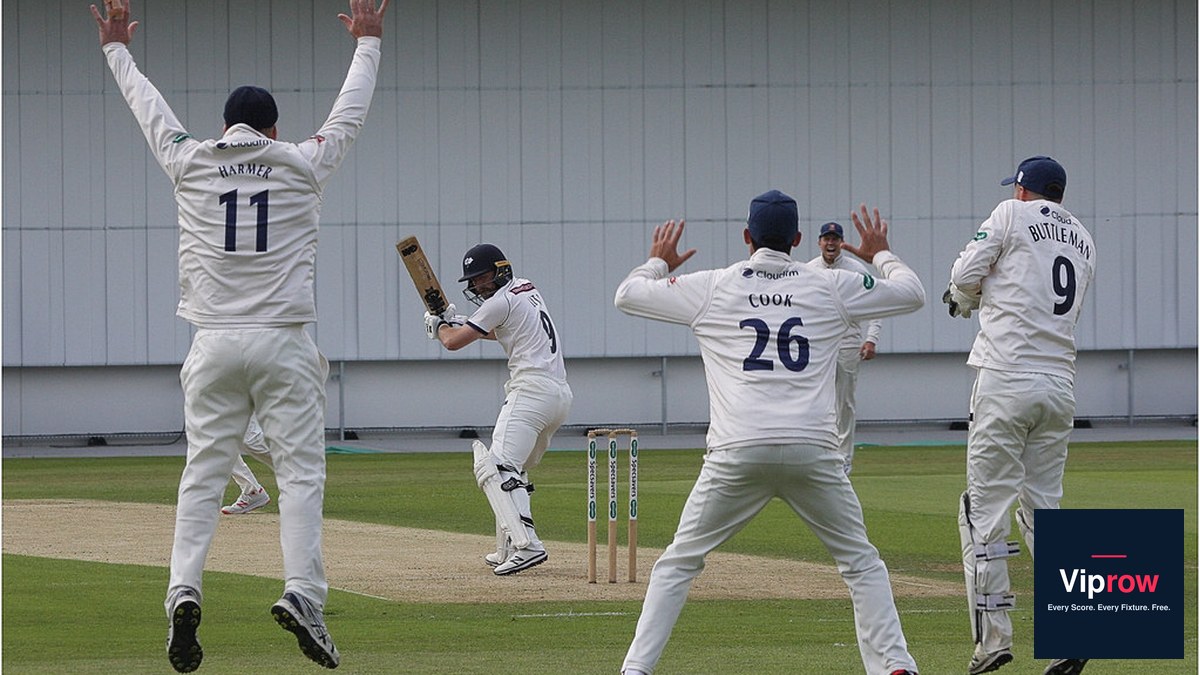
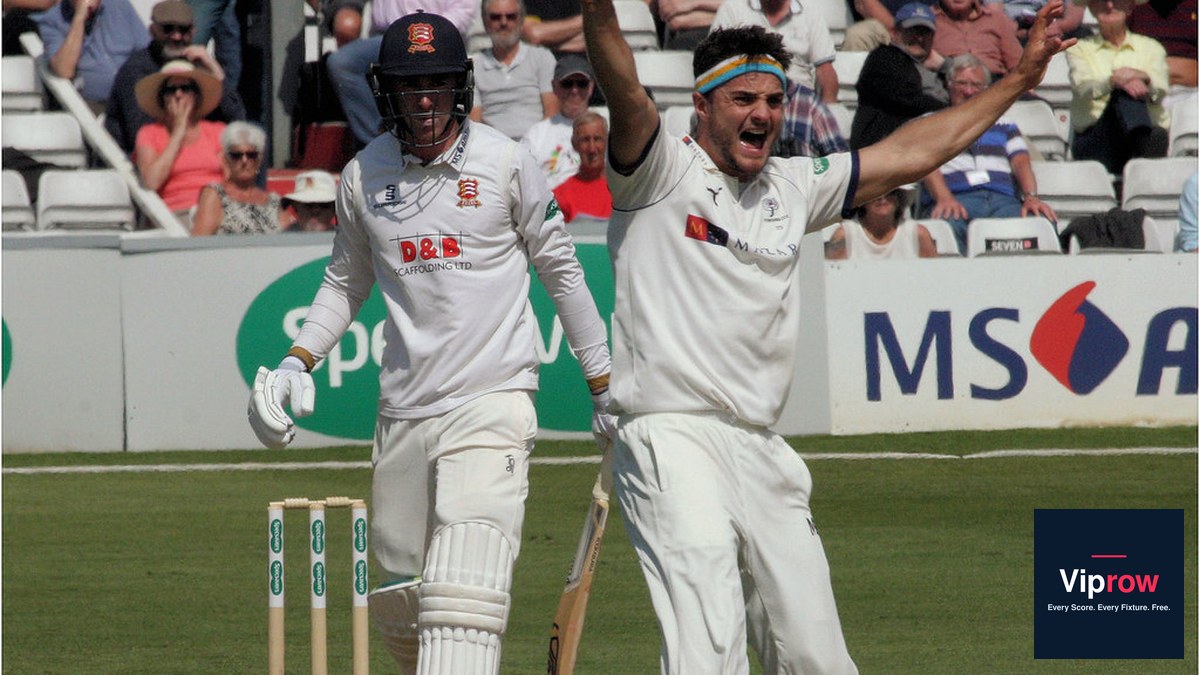
LBW stands for leg before wicket. It is one of the ways a batter can be out in cricket. The fielding side must appeal first, and then the umpire decides if the batter is out. A batter is out LBW when a legal ball hits the body before it touches the bat, and the ball would have gone on to hit the stumps.
The name is old, and it can mislead new fans. The ball does not have to hit the leg. It can hit a thigh, a boot, an arm, a shoulder, or even a helmet. The one clear exception is the hand or glove that holds the bat, because that counts as part of the bat.
Without this law, a batter could stand in front of the stumps and block every straight ball with the pads. Today the law sits at Law 36 in the Laws of Cricket, which are kept by the MCC.
2. The Five Conditions at a Glance
Every LBW decision rests on five checks, and all five must pass on the same ball. If even one check fails, the batter is not out. Fans who learn the five checks can follow most appeals without confusion.
The Quick Checklist Umpires Use
First, the delivery must be legal. Second, the ball must pitch in line or outside off stump, unless it is a full toss. Third, the ball must hit the body before the bat. Fourth, the impact must be in line, unless the batter offered no shot. Fifth, the ball must have gone on to hit the stumps.
A Simple Example to Keep in Mind
Picture a fast bowler sending a straight ball at middle stump. The batter misses, the ball strikes the front pad in line, and the path leads straight to the stumps. If the ball had pitched outside leg stump, the same appeal would fail at once.
3. A Legal Delivery and Where the Ball Pitches
The first check is the simplest one. A batter cannot be out LBW off a no-ball. The bowler must deliver a fair ball, with the front foot behind the line and the arm within the rules. If the umpire calls no-ball, the LBW appeal dies on the spot, no matter how straight the ball looked.
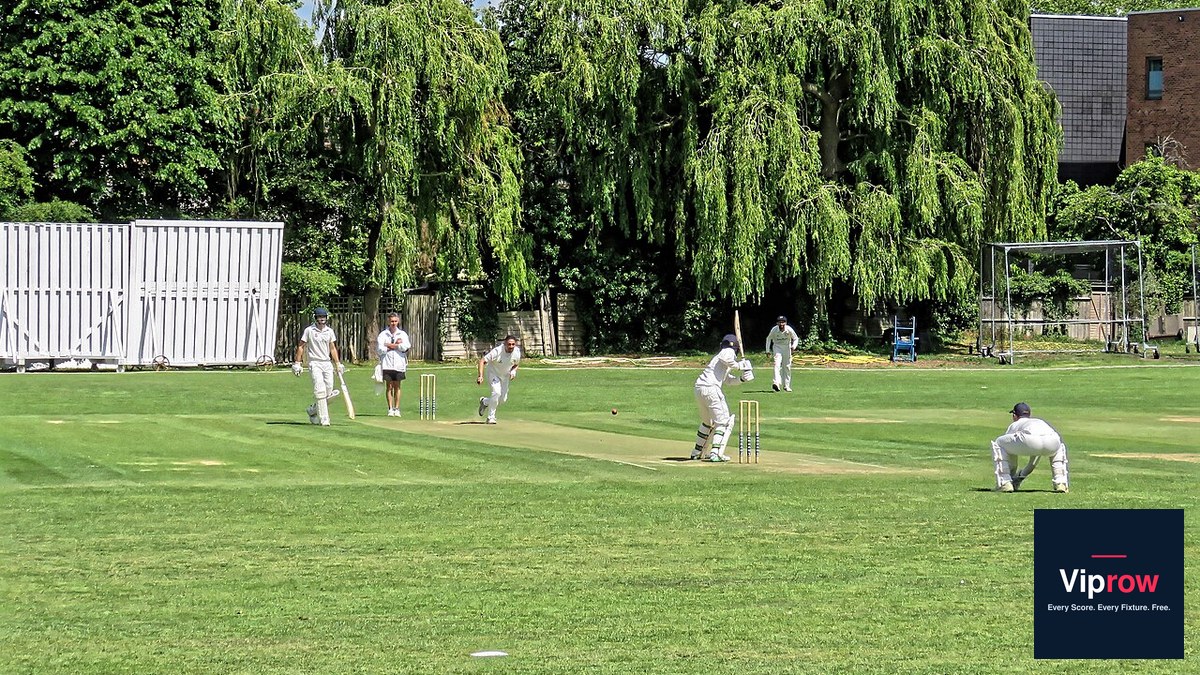
Pitching means where the ball first bounces on the pitch. For an LBW, the ball must pitch in line with the stumps or on the off side. A ball that pitches outside off stump can still lead to an LBW, as long as the other checks pass. A full toss is the one exception here, since the ball never bounces and there is no pitching point to judge.
Spin bowlers use this rule to their advantage every day. A spinner may pitch the ball well outside off stump, turn it back sharply, and strike the pad in line. If the ball would have hit the stumps, the batter is out. See also our guide to how cricket run outs work.
4. Bat Before Body and Where the Ball Hits
The ball must hit the batter’s body before it touches the bat. If the ball takes an inside edge onto the pad, the batter is not out LBW. The bat comes first in the order of contact, and that order decides the appeal. This check also covers the glove that holds the bat, since that glove counts as part of the bat under the laws.
Close calls on this point often go to review in top matches. The third umpire uses sound and slow motion to check for a thin edge. When bat and pad are hit at almost the same time, the umpire treats it as bat first.
Impact means the point where the ball first strikes the batter. In most cases, that point must be in line with the stumps, in the corridor from off stump to leg stump. Impact outside leg stump is always safe, even when the batter offered no shot.
5. Would the Ball Hit the Stumps
The last check asks a question about the future. Without the batter in the way, would the ball have gone on to hit the stumps? The umpire must picture the path the ball would have taken after the impact point. If it would have missed, gone over the top, or slid down the leg side, the batter stays not out.
Height plays a big part in this call. A ball that strikes the pad high above the knee may have sailed over the stumps. A ball that bounces steeply can also climb past the bails. Umpires weigh the bounce, the pace, and the line together before they raise a finger.
The benefit of doubt goes to the batter on close calls. When the umpire is not sure the ball would have hit, the answer is not out. This habit is old and strong in cricket, and it still guides umpires today.
6. Why There Is No LBW When the Ball Pitches Outside Leg
A ball that pitches outside leg stump can never lead to an LBW, even if it would have hit the stumps. This is the firmest rule in Law 36, and it never bends. The reason is simple: the law protects the batter from balls that start on the leg side.
Many fans find this rule odd at first. They see a ball swing back, hit the pad in line, and look certain to hit the stumps. Yet the umpire still says not out, because the pitch was outside leg. The law cares about where the ball landed, not just where it ended up.
Bowlers still use the leg side as a tactic, but they use it to build pressure, not to win LBWs. To learn how fielders turn pressure into wickets, read our guide to how cricket fielding works.
7. Playing a Shot vs Not Offering a Shot
The shot rule is the part of LBW that causes the most debate. A batter who plays a genuine shot gets more cover than a batter who does not. If the batter plays a shot and the ball hits outside off stump, the batter is not out. If the batter offers no shot and the ball hits outside off stump, the batter can be out, as long as the ball would have hit the stumps.
Umpires judge the shot by the batter’s movement and intent. A full swing, a clear stride, and a bat coming down to meet the ball all show a genuine attempt.
This rule came from a change in 1972, which aimed to cut down pad play. After the change, a batter who refused to play had to face the LBW threat. To see how shots and dismissals fit together, read our guide to how cricket batting works.
8. Umpire’s Call and DRS Explained
The Decision Review System, known as DRS, lets teams ask the third umpire to check an LBW call. A review that overturns the call is kept, and a review that ends in umpire’s call is also kept.
Umpire’s call means the on-field decision stands. It applies when ball tracking shows the ball only clipping the stumps, or when less than half the ball is in line at pitching or impact. The same tracking picture can keep an out call out and keep a not out call not out.
A clear example came in the World Test Championship final in 2025. Beau Webster of Australia was given not out, and South Africa reviewed. Ball tracking showed the ball hitting the stumps, yet the impact point was just outside the line, so the call stayed as umpire’s call. For the full review process, see our guide to how cricket umpiring works.

9. How Hawk-Eye Predicts the Ball Path
Hawk-Eye is the ball-tracking system used for LBW reviews. A set of high-speed cameras around the ground tracks the ball from the bowler’s hand to the pad. Computers join the camera views into a three-dimensional model of the flight. Then the system projects where the ball would have gone if the batter had not been in the way.
The system first showed its value in 2001, when it was used during an England against Pakistan Test at Lord’s. That is why the umpire’s call zone exists around the stumps.
On screen, fans see three labels: pitching, impact, and hitting. Pitching shows where the ball bounced. Impact shows where it struck the batter. Hitting shows whether the projected path would reach the stumps.
10. LBW in T20 vs Test Cricket
The law is the same in every format, yet LBW feels different in T20 and Test cricket. In Tests, batters face long spells, bowlers set careful traps, and LBW builds slowly over many overs. A spinner may bowl outside off stump for an hour, wait for one ball to turn back, and win an LBW that changes the whole match.
In T20, the pace is faster and the risk is higher. Batters attack from the first ball, bowlers mix pace and length, and LBW chances come in quick bursts. A batter who misses a yorker or a slower ball can be out LBW in a flash.
In the early overs, only a few fielders sit outside the ring, so batters can score fast, yet they must still guard the stumps. Our guide to how cricket powerplays work explains those field limits in full.
11. Common Myths Fans Get Wrong
Myth one says any ball that hits the pad in front of the stumps is out. It is not. The ball must also pitch in the right place, miss the bat, and head for the stumps. A ball that pitches outside leg stump is never out, even when it looks plumb.
Myth two says the ball must hit the leg to count. It does not. Any part of the body counts, apart from the hand that holds the bat. A ball that strikes the thigh, the chest, or the helmet can still be out LBW.
Myth three says Hawk-Eye always gives the right answer. It does not. The tracked path is exact, yet the projected path is a model, and the umpire’s call zone respects that limit. Myth four says the umpire must give the batter out when the ball is hitting the stumps. The other four checks still apply, so hitting alone is never enough.
12. How Batters Play to Avoid LBW
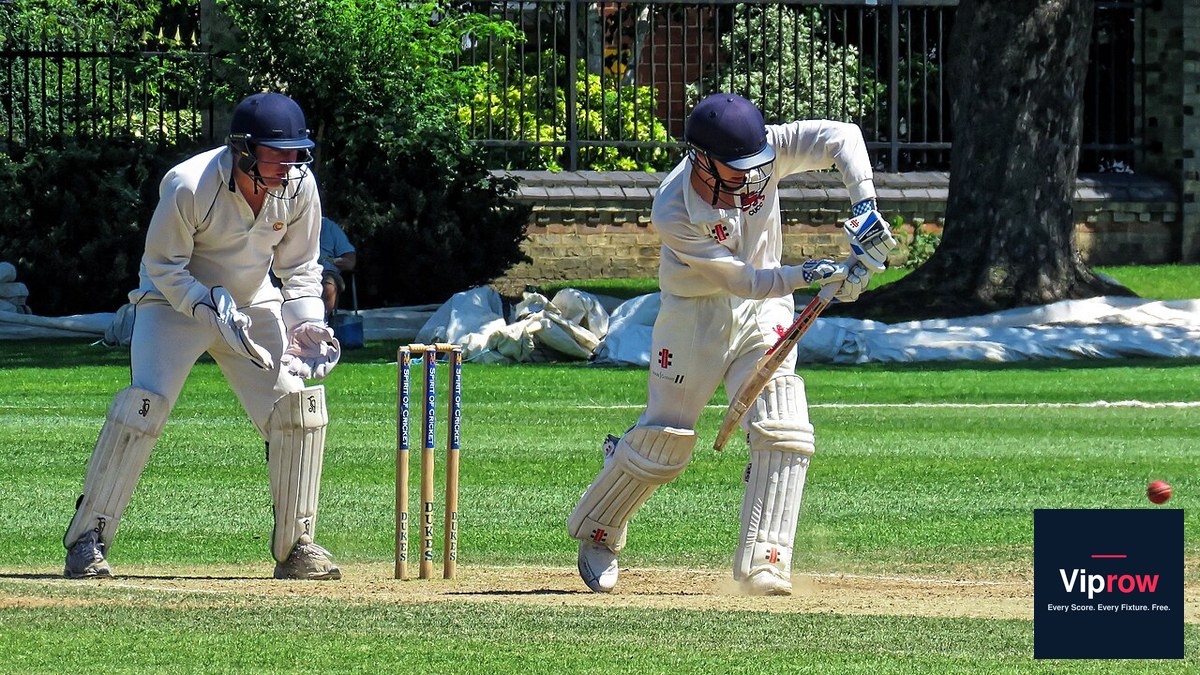
Good batters defend the stumps with the bat, not the pads. They stride forward with a big front foot, get the head over the ball, and meet it with a straight bat. This forward defence covers the line of the stumps and takes LBW out of play.
Footwork matters most against spin. A batter who strides to the pitch of the ball can smother the turn and kill the LBW risk. A batter who stays back and plays from the crease gives the bowler a chance to beat the bat and strike the pad.
Batters also use the leave with care. Leaving a ball outside off stump is safe when the line is wide, yet leaving a straight ball is a gamble. A batter who leaves must be sure the ball will miss the stumps. When in doubt, most top batters choose to play the ball with the bat.
13. Famous LBW Decisions That Changed the Game
Some LBW calls live long in the memory because they swung big matches. The Ashes has supplied many of them over the years, since England and Australia play hard, close series with strong pace attacks. For the story of that rivalry, read the Ashes explained.
The arrival of DRS in 2008 changed how these moments play out. Before DRS, a wrong LBW call stood for good, and teams had no way to challenge it. After DRS, teams could ask for a review, and many howlers were fixed on the spot.
A law change in 1972 also changed the game in a quiet way. Batters could no longer pad away straight balls without risk, so they had to play more shots. The law still shapes tactics today, from the way spinners attack outside off stump to the way batters stride forward to smother the ball.
1 thought on “How Cricket LBW Works”