How Formula 1 Qualifying Works: Q1, Q2, Q3 and Sprint Explained
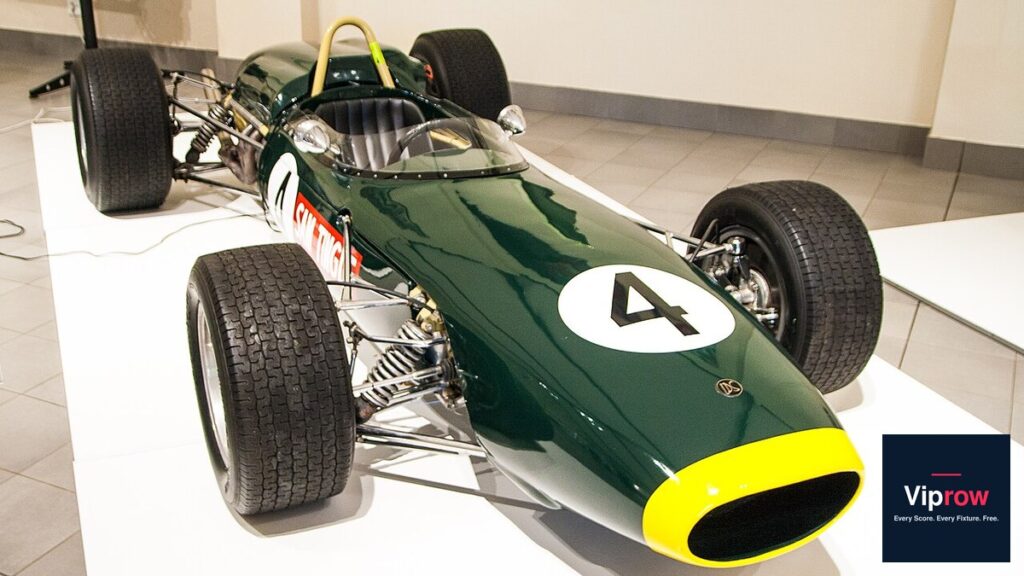
Formula 1 qualifying is the session that decides where every driver starts the race. It is short, tense, and full of drama. So, if you want to understand how Formula 1 qualifying works, you need to know the three knockout rounds, the tyre rules, the 107% rule, and the sprint format. First, this guide explains each part in plain English. Next, it shows how penalties can change the grid after the session ends. As a result, you will know exactly what to watch on Saturday afternoon.

How Formula 1 Qualifying Works in Simple Terms
Qualifying is a timed contest for grid places. Every driver drives alone against the clock, and the fastest lap wins the best start place. However, the session is not one long free-for-all. Instead, it works as a knockout. The slowest drivers leave after each round, and only the fastest ten reach the final shootout.
On a normal weekend, qualifying takes place on Saturday afternoon and lasts about one hour. First, all 22 cars take part in Q1. Next, the survivors move into Q2. Then, the fastest ten fight for pole in Q3. In 2026, the grid grew to 22 cars after Cadillac joined. As a result, six cars now leave after Q1, and six more leave after Q2.
Q1 lasts 18 minutes, Q2 lasts 15 minutes, and Q3 lasts 13 minutes in 2026. That adds up to 46 minutes of timed running, plus two short breaks of about seven minutes each. Q3 was 12 minutes in earlier seasons, but it gained an extra minute in 2026. Times do not carry over between rounds, so a driver who is fastest in Q1 starts Q2 with a clean slate.
What Qualifying Decides and Why the Grid Matters
Qualifying decides the starting grid for Sunday’s Grand Prix. The driver with the fastest lap in Q3 starts first. That place is called pole position. The drivers who left in Q2 fill places 11 to 16, in the order of their Q2 times. Finally, the drivers who left in Q1 fill places 17 to 22, in the order of their Q1 times.
The grid matters because track position is hard to win in a race. First, the pole sitter leads into the first corner, so the driver avoids the traffic and the risk behind. Next, the leader can control the pace and protect the tyres. As a result, pole position often leads to a race win, although it never guarantees one. Pole also puts the driver in clean air, so the car gets full downforce.
Q1: The First Cut and the Fight to Survive
Q1 is the busiest part of qualifying. All 22 cars are on track at the same time, and the session lasts 18 minutes. Every driver must set a lap fast enough to stay in the top 16. The six slowest drivers are out at the end, and they take grid places 17 to 22.
Drivers usually do more than one run in Q1. First, they set a safe banker lap, which is a solid time that should be enough to progress. Next, they return to the pits, fit fresh tyres, and try again for a faster lap. As the clock runs down, the track often gets faster, because more rubber goes down and the grip improves.
In Grand Prix qualifying, teams have a free choice of dry tyres in Q1 and Q2, within their weekend allocation. Most drivers use the soft tyre, because it gives the most grip and the fastest lap. However, a fast team may try a medium tyre first to save a set of softs for later.
Q2: The Middle Round Where the Midfield Is Sorted
Q2 lasts 15 minutes, and 16 cars take part. Once again, the slowest six drivers are out. They take grid places 11 to 16, in the order of their Q2 times. The ten survivors move into Q3. At this stage, the pace is higher, the gaps are smaller, and the pressure is greater.
Q2 is often the closest round of all. The midfield teams are near each other on pace, so a tenth of a second can decide who goes through. First, the top teams set a strong time and then wait. Next, the midfield teams push hard on fresh soft tyres.
Every round starts fresh. A driver who tops Q2 gains no advantage in Q3. The clock resets, the times reset, and all ten drivers start level. In contrast, a driver who only just scraped through Q2 can still take pole with one great lap. To learn how tyre choice links to race day, read our guide to how Formula 1 pit stops work, including strategy, tyres and the two-second stop.
Q3: The Top-10 Shootout for Pole Position
Q3 is the final round, and it lasts 13 minutes in 2026. Only the ten fastest drivers from Q2 take part. There is no elimination in Q3. Instead, the ten drivers fight for the top ten grid places, with the fastest lap taking pole position. This is the part of qualifying that most fans remember, because the tension is at its peak.
Drivers usually get two runs in Q3. First, they set a strong lap early, so they have a safe time on the board. Next, they return to the pits for fresh soft tyres and a final run. A lap that starts before the clock hits zero still counts, even if it ends after time runs out.
How pole is won and lost
Pole is often won by a tiny margin. Small details decide the result, such as tyre temperature, track grip, wind, and traffic. A driver must also manage the out lap, which is the slow lap before the fast lap. If the tyres are too cold, the car slides.
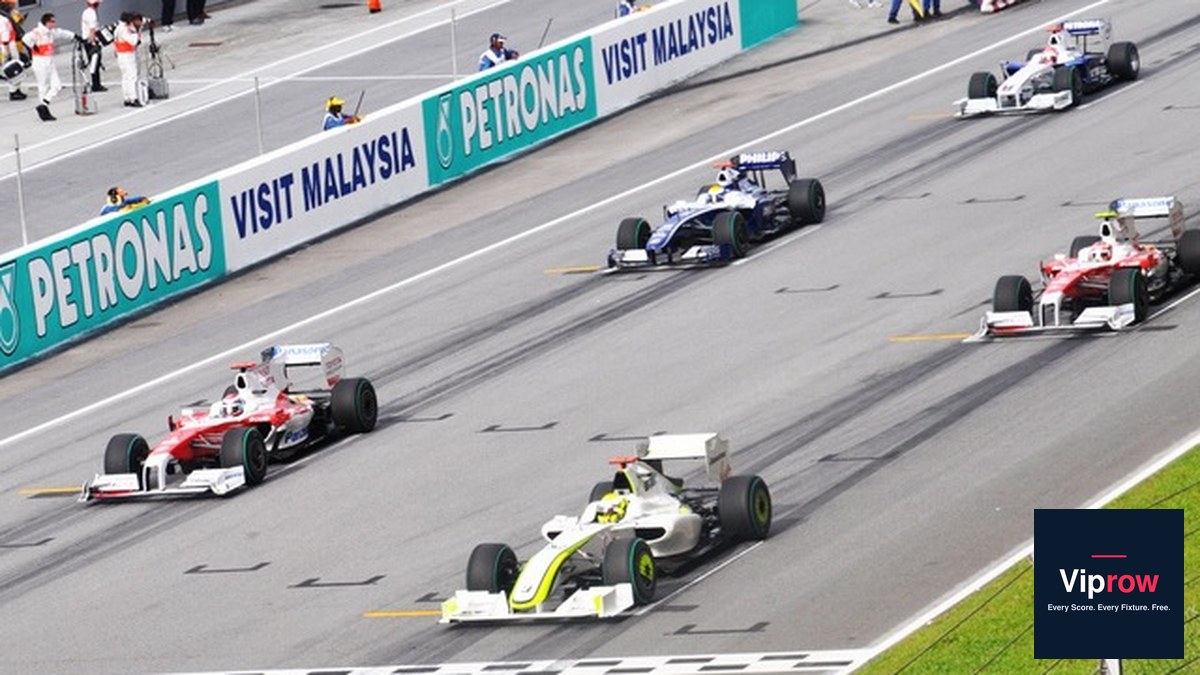
How Formula 1 Qualifying Works on a Sprint Weekend
A sprint weekend adds a second race and a second qualifying session. There are six sprint weekends in 2026: China on 13 to 15 March, Miami on 1 to 3 May, Montreal on 22 to 24 May, Silverstone on 3 to 5 July, Zandvoort on 21 to 23 August, and Singapore on 9 to 11 October. The key point is simple: Sprint Qualifying sets the grid for the Sprint only, while Grand Prix qualifying sets the grid for Sunday.
On Friday, teams get only one practice session, which lasts one hour. After that, Sprint Qualifying takes place on Friday afternoon. It has three short parts: SQ1 lasts 12 minutes, SQ2 lasts 10 minutes, and SQ3 lasts 8 minutes. Six drivers leave after SQ1, and six more leave after SQ2. In dry conditions, the tyre rules are fixed: medium tyres in SQ1 and SQ2, and soft tyres in SQ3.
On Saturday, the Sprint race takes place first. It covers about 100 kilometres, roughly one third of a Grand Prix distance, and lasts about 30 minutes. Points go to the top eight finishers, from 8 points for the winner down to 1 point for eighth. Later on Saturday, Grand Prix qualifying takes place as normal. The Sprint result does not set the Sunday grid. For a full official guide, see Formula 1’s beginner’s guide to the Sprint at formula1.com.
Tyres, the 107% Rule and the Clock
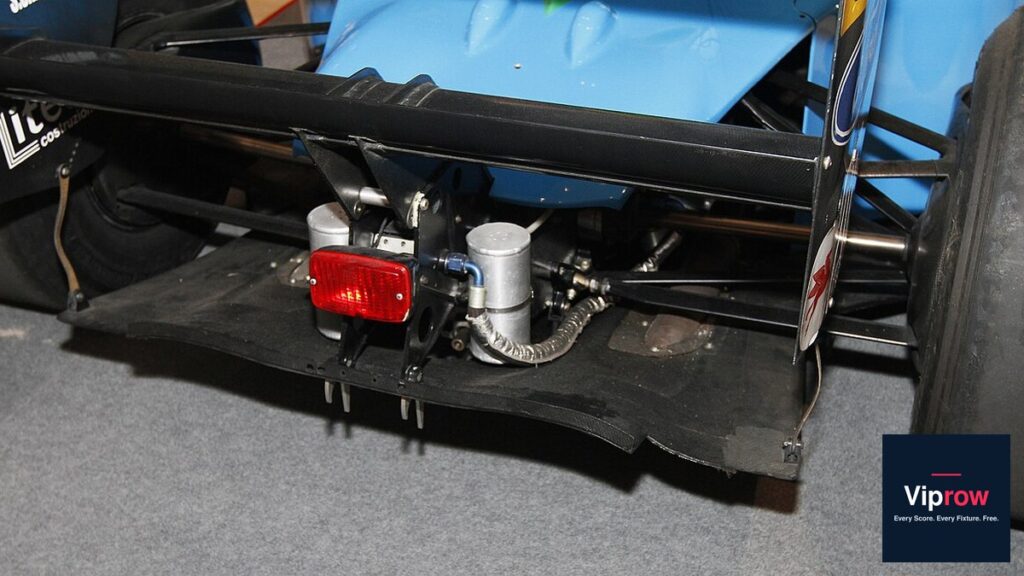
Tyres are central to qualifying. Pirelli supplies three dry compounds for each race weekend, named soft, medium and hard for that event. The soft tyre is the fastest over one lap, but it wears out fastest. Teams get 13 sets of dry tyres for a standard weekend.
The 107% rule is a safety rule for Q1. It says that a driver who is out in Q1 must set a lap within 107% of the fastest Q1 time to be classed for the race. For example, if the fastest Q1 lap is 90.000 seconds, the cut-off is 96.300 seconds. If a driver is slower than that, the driver is unclassified, although the stewards may still allow the driver to race.
A qualifying run has three parts. First comes the out lap, when the driver leaves the pits and warms up the tyres and brakes. Next comes the flying lap, which is the timed lap that counts. Then comes the cool-down lap, when the driver slows down and returns to the pits.
Grid Penalties: Power Units, Impeding and Parc Ferme
Grid penalties can move a driver back after the session ends. A driver may qualify third yet start tenth. Impeding, when a driver blocks a rival on a fast lap, often brings a three-place grid drop. In the past, gearbox changes outside the rules also brought grid penalties, but in 2026 the component limits focus on the power unit.
Power unit penalties are the most common cause. In 2026, each driver may use four combustion engines, four turbochargers and four exhaust sets, plus three MGU-K units, three energy stores and three control electronics units. When a driver uses one more part than allowed, the first extra part of that type brings a 10-place grid penalty. Each further extra part of the same type adds five places. If the total is more than 15 places, the driver must start from the back of the grid.
Parc ferme rules after qualifying
Parc ferme means closed park, and it is a set of rules that freeze the car set-up after qualifying begins. Teams cannot make major changes to the car before the race. They may change only a small list of parts, such as tyre pressures and brake cooling. If a team makes a bigger change, the driver must start from the pit lane. On sprint weekends, there are two windows: one for the Sprint, and one for the Grand Prix. For more on how teams protect drivers, read our guide to Formula 1 safety, the Halo, HANS and how the sport protects drivers.
Red Flags, Rain and Famous Qualifying Moments
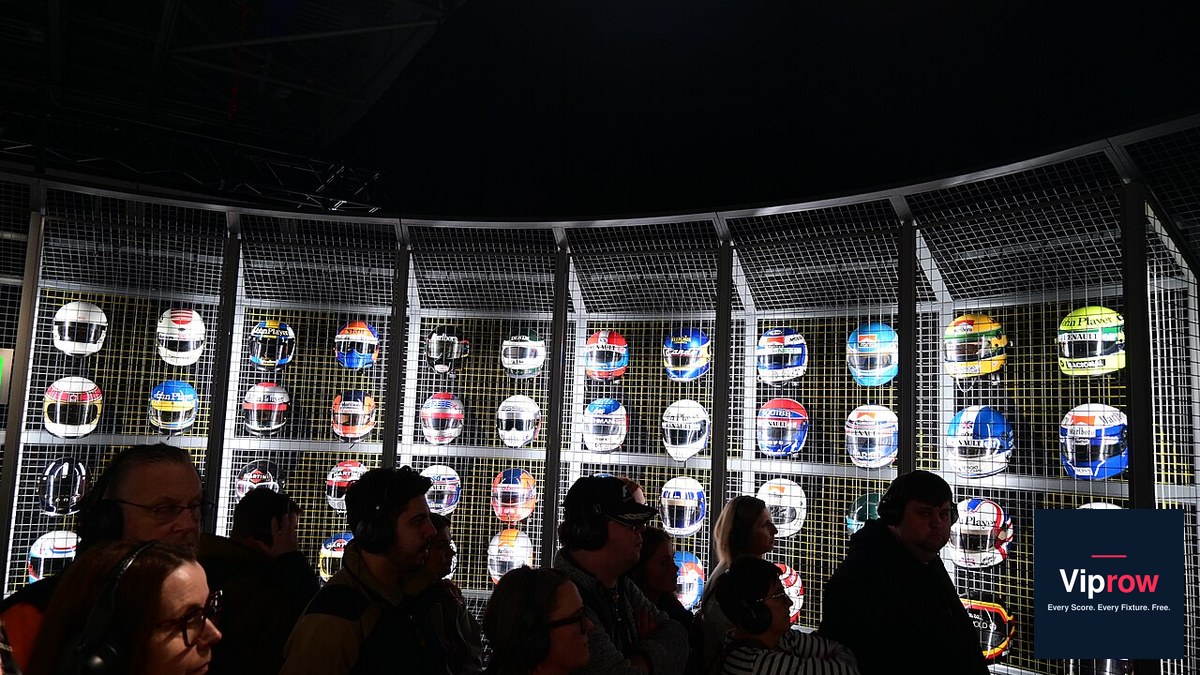
Red flags and rain can turn qualifying upside down. A red flag stops the session at once, usually after a crash or a car stops on track. Drivers must slow down and return to the pits. The session restarts when the track is clear. A driver who had not yet set a time may get a second chance, while a driver who was on a fast lap loses that lap.
Rain adds even more drama. A wet track is slower, yet it can also reward brave drivers. First, the track may dry lap by lap, so the last driver across the line often has the best grip. Next, a sudden shower can end the session early, and the order at that moment may stand.
Senna at Monaco in 1988
Ayrton Senna’s qualifying lap at Monaco in 1988 is widely called the finest qualifying lap in Formula 1 history. Senna drove for McLaren, and he set a time of 1 minute 23.998 seconds. His team mate Alain Prost, in the same car, managed 1 minute 25.425 seconds. The gap was 1.427 seconds, which is huge on a short street track. However, the race ended in heartbreak. Senna crashed into the barriers on lap 67 while leading, and he scored no points.
How to Follow Qualifying Live and What to Watch Next
Qualifying is easy to follow once you know the pattern. First, check the session start time, because it changes by time zone and by circuit. Next, watch the timing screens during Q1 and note who is near the cut line. Then, watch Q2 for the midfield battle, where the gaps are smallest. Finally, watch Q3 for the fight for pole, and stay until the last lap.
You should also check the final grid after qualifying, not just the qualifying result. To see how the race unfolds from the grid, read our guide to how Formula 1 pit stops work, including strategy, tyres and the two-second stop.
Hamilton at Singapore in 2018
Lewis Hamilton’s pole lap at Singapore in 2018 is another famous qualifying moment. Mercedes were not expected to be fastest at the Marina Bay street circuit, yet Hamilton set a time of 1 minute 36.015 seconds. He beat Max Verstappen by 0.319 seconds and title rival Sebastian Vettel by 0.613 seconds. Hamilton called the lap magic. It was Hamilton’s 79th pole position, and he went on to win the race the next day. Now you know how Formula 1 qualifying works, from Q1 to Q3 and from sprint weekends to grid penalties.