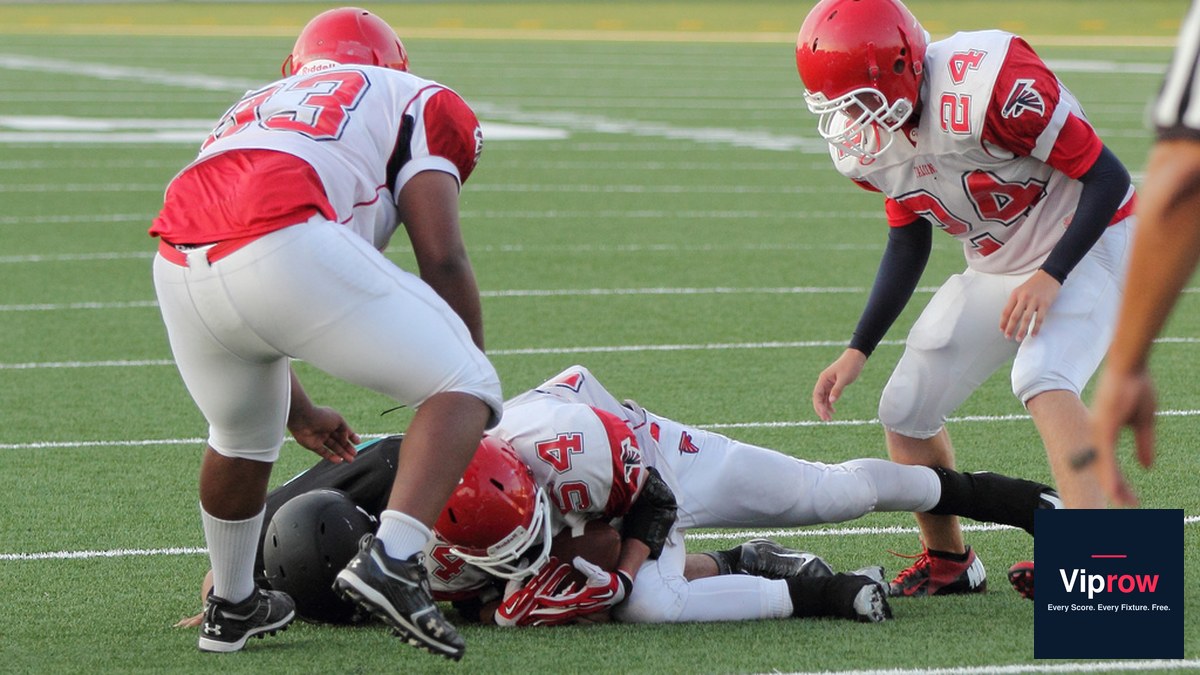
An NFL fumble can change a game in one second. One moment, a team is moving down the field with hope and control. The next moment, the ball is on the ground, and both teams are fighting for it. Therefore, every fan should know what a fumble is and what happens next. In short, a fumble is more than a mistake, because it is a live ball that can help either team.
What Is an NFL Fumble?
A fumble happens when a player who has the ball loses it before the play ends. The official rule says it is any act, other than a pass or a kick, that results in a loss of player possession. Therefore, a runner can fumble, a receiver can fumble after a catch, and a quarterback can fumble while he holds the ball. However, a player must first have clear control of the ball, so if he never had control, then there was no fumble. The full text sits in Rule 8, Section 7, Article 3 of the official NFL rulebook.
How a Fumble Differs From an Incomplete Pass and a Muff
A fumble is not the same as an incomplete pass. An incomplete pass happens when a quarterback throws the ball forward and no player catches it. Therefore, the ball is dead at once, and the offense loses a down. In contrast, a fumble stays live, and either team can recover it. A fumble is also different from a muff, which is when a player touches a loose ball but fails to catch it. If you want to see how a turnover by pass differs, read our guide to how NFL interceptions work.
When the Ball Is Live After a Fumble
A fumbled ball is a live ball. Therefore, the play does not stop just because the ball hits the ground. In addition, any player from either team can try to recover it and run with it. For example, a defender can scoop up a loose ball and run toward the other end zone. As a result, a fumble can turn defense into attack in one play. A loose ball on a kick can work in a similar way, so it helps to know how NFL kickoffs work.
How Defenders Force Fumbles
The Strip and the Punch
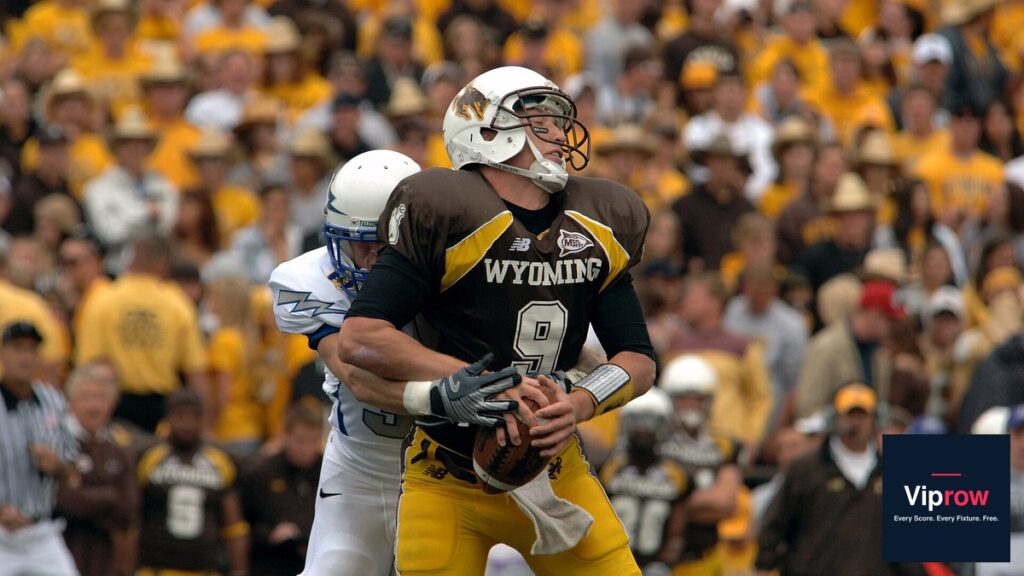
The strip is the most common way to force a fumble. A defender reaches in and pulls the ball free while the runner is busy with the tackle. Therefore, timing is everything. For example, a cornerback who punches down on the ball as he tackles can knock it loose before the runner falls. The best-known version is the Peanut Punch, named for Charles Tillman, who used a sharp downward punch to knock the ball free.
The Sack Fumble
A sack fumble happens when a defender hits the quarterback before he can throw. Therefore, it is one of the most damaging plays in football. In addition, the quarterback often holds the ball away from his body as he looks downfield, so the ball is open to a hit. For example, an edge rusher who beats his blocker can chop at the quarterback’s arm and knock the ball loose. To see how the hit itself is judged, read our guide to how NFL sacks work.
Who Can Recover a Fumble?
In most cases, any player from either team can recover a fumble. Therefore, the recovery is open to all 22 players on the field. In addition, a player can recover the ball before or after it hits the ground. For example, a lineman can fall on a loose ball, and a defensive back can catch it in the air. However, a recovery is legal only if the player gains clear control with his hands or arms and stays in bounds.
The Fourth-Down and Two-Minute Rules
The Fourth-Down Rule
On fourth down, the fumbler is the only offensive player who may recover and advance the ball before possession changes. Therefore, if a teammate recovers the fumble, the ball is dead at once. In addition, the spot is the spot of the fumble if the ball moved forward, or the spot of the recovery if that spot is farther back. As a result, the offense keeps the ball only at the fumble spot, and it may still lose the ball on downs. However, if the fumbler himself recovers and reaches the line to gain, the advance counts.
The Two-Minute Rule
After the two-minute warning in either half, the same limit applies on any down. Therefore, only the fumbler may recover and advance the ball for his team. In addition, a teammate who recovers the ball cannot run with it, and the ball is dead at the spot of the fumble or the spot of the recovery, whichever is farther back. As a result, the offense must protect the ball even more late in a half. However, the defense can still recover and advance the ball at any time, so a late fumble can end the game.
What Happens When a Fumble Goes Out of Bounds?
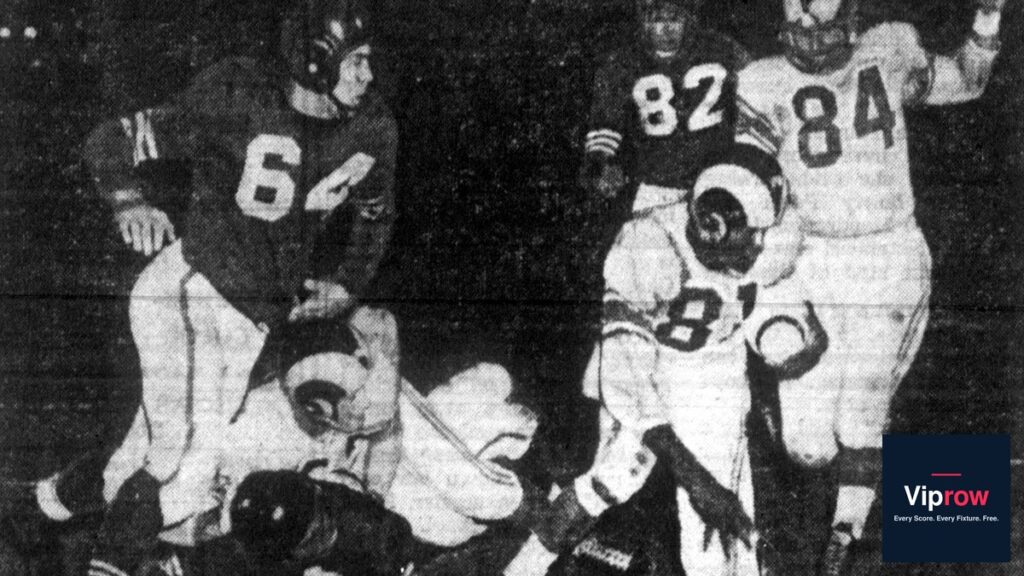
A fumble that goes out of bounds ends the play, but the spot depends on the direction of the bounce. If the ball goes backward and out of bounds, the team that last had possession keeps the ball, and the next play starts at the in-bounds spot. If the ball goes forward and out of bounds, the team that last had possession still keeps the ball, but the next play starts at the spot of the fumble. Therefore, the offense loses any forward progress after the fumble. In short, the rule stops a team from gaining yards by luck alone.
Fumbles in the End Zone
Fumble Into the Opponent End Zone
If a ball is fumbled in the field of play and goes forward into the opponent’s end zone and then out of bounds, the defense gets a touchback. Therefore, the fumbling team loses the ball, and the defense starts at its own 20-yard line in most cases. In addition, it does not matter which team touched the ball last in the end zone. For example, an offense that fumbles at the two-yard line and sees the ball roll through the end zone will lose possession. As a result, a fumble near the goal line is a huge risk for the offense.
Fumble in Your Own End Zone
If a ball is fumbled in a team’s own end zone and goes out of bounds there, the result depends on who gave the ball its push. If the fumbling team gave the ball the push into its own end zone, the result is a safety, and the other team scores two points. Therefore, a fumble in your own end zone can cost points at once. For example, a quarterback who is hit in his own end zone and fumbles the ball out of bounds has given up a safety. However, if the opponent gave the ball the push into the end zone, the result is a touchback instead.
Fumble Returns and Defensive Touchdowns
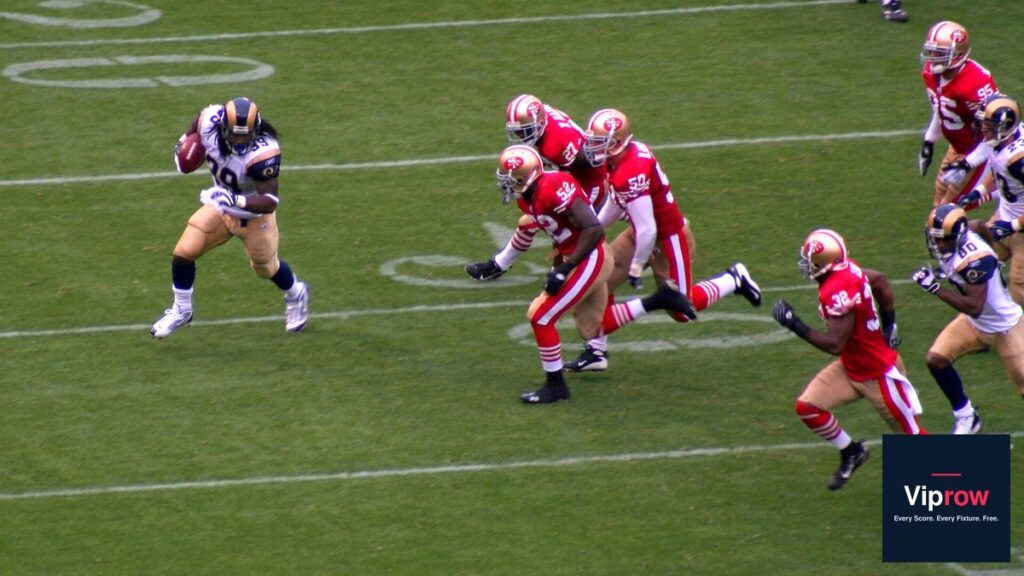
A fumble return happens when a defender recovers a fumble and runs with it. Therefore, the defense can score without its offense ever taking the field. In addition, a fumble return for a touchdown is worth six points, just like any other touchdown. For example, a linebacker who scoops up a loose ball and runs 40 yards to the end zone gives his team six points at once. As a result, defenses train to scoop and score, not just to fall on the ball. If you want the full scoring picture, read our guide to how NFL touchdowns work.
The Tuck Rule and Its History
The 2001 Playoff Game
The tuck rule was in force from 1999 until 2013. It said that a ball lost while the quarterback tried to tuck it back toward his body was an incomplete pass, not a fumble. It became famous on January 19, 2002, when the New England Patriots hosted the Oakland Raiders. Late in the fourth quarter, New England trailed 13-10, and Raiders cornerback Charles Woodson hit quarterback Tom Brady and knocked the ball loose. Linebacker Greg Biekert fell on the ball, and the officials first ruled it a fumble, but review ruled it an incomplete pass under the tuck rule. Adam Vinatieri then tied the game at 13 with a 45-yard field goal, and won it 16-13 in overtime with a 23-yard field goal. To see how that tying kick fits the scoring rules, read our guide to how NFL field goals work.
Why the Rule Was Removed in 2013
The NFL removed the tuck rule in 2013. From that season on, a quarterback who loses the ball while he tries to tuck it back is judged by the same rule as any other player. Therefore, if he loses the ball after he has stopped his passing motion and started to tuck it, the play is a fumble. In addition, the change made the rule match what most fans see with their own eyes. As a result, the 2001 play would be ruled a fumble under the current rule, but the old call still stands in the record books.
How Replay Review Works on Fumbles
Replay review can check many parts of a fumble play. For example, it can check whether a runner fumbled before he was down by contact, and it can check who recovered the ball. Therefore, a coach can challenge a fumble call in most cases before the two-minute warning. However, scoring plays and turnovers are reviewed by the replay official without a challenge. A call changes on replay only when the video gives clear and obvious proof, so a close call will often stand as called on the field. For extra-time rules, read our guide to how NFL overtime works.
Famous Fumbles in NFL History
The Holy Roller is one of the most famous fumbles ever. On September 10, 1978, the Oakland Raiders played the San Diego Chargers in San Diego. With 10 seconds left, the Raiders trailed 20-14, and quarterback Ken Stabler fumbled the ball forward toward the end zone. Tight end Dave Casper fell on the ball in the end zone for a touchdown, and the Raiders won 21-20 after the extra point. The Miracle at the Meadowlands is another famous fumble. In November 1978, the New York Giants led the Philadelphia Eagles 17-12 with 31 seconds left, but a failed handoff fell to the ground. Eagles defensive back Herman Edwards picked it up and returned it 26 yards for a touchdown.
The Butt Fumble is the most famous funny fumble in NFL history. On Thanksgiving Day in 2012, New York Jets quarterback Mark Sanchez ran into the backside of his own lineman, Brandon Moore, and lost the ball. Therefore, the play looked like a comedy, but it had a real cost. In addition, the New England Patriots recovered the fumble and scored a touchdown. As a result, Sanchez and the Jets became linked to the play for years, and it is still used as a warning about ball safety.
NFL Fumble Records and Final Thoughts
The record books show how much fumbles matter over a long career. Robert Mathis leads all players in career forced fumbles, with 52 in his career from 2003 to 2016, and Julius Peppers is next on the list with 51 forced fumbles. Charles Tillman tied the NFL single-season record with 10 forced fumbles in 2012, and Osi Umenyiora also reached 10 in 2010. In addition, Tillman set the single-game record with four forced fumbles in one game against the Tennessee Titans on November 4, 2012. As a result, that game is still the best single day any player has had at forcing fumbles.
The longest fumble return in NFL history is 104 yards. Jack Tatum set the mark on September 24, 1972, when he returned a fumble 104 yards for a touchdown against the Green Bay Packers. In addition, Aeneas Williams tied the mark on November 5, 2000, with a 104-yard fumble return for a touchdown against Washington. Rod Woodson holds the record for career fumble recoveries by a defensive player, with 32 recoveries. Therefore, a smart defender can win the ball back again and again over a long career.
A fumble is a test of care, speed, and calm. Therefore, the team that protects the ball wins more often than the team that does not. In addition, the team that attacks the ball wins more often than the team that only tackles. In short, a fumble is never just a dropped ball, because it is a live ball, a scoring chance, and a lesson in one play.