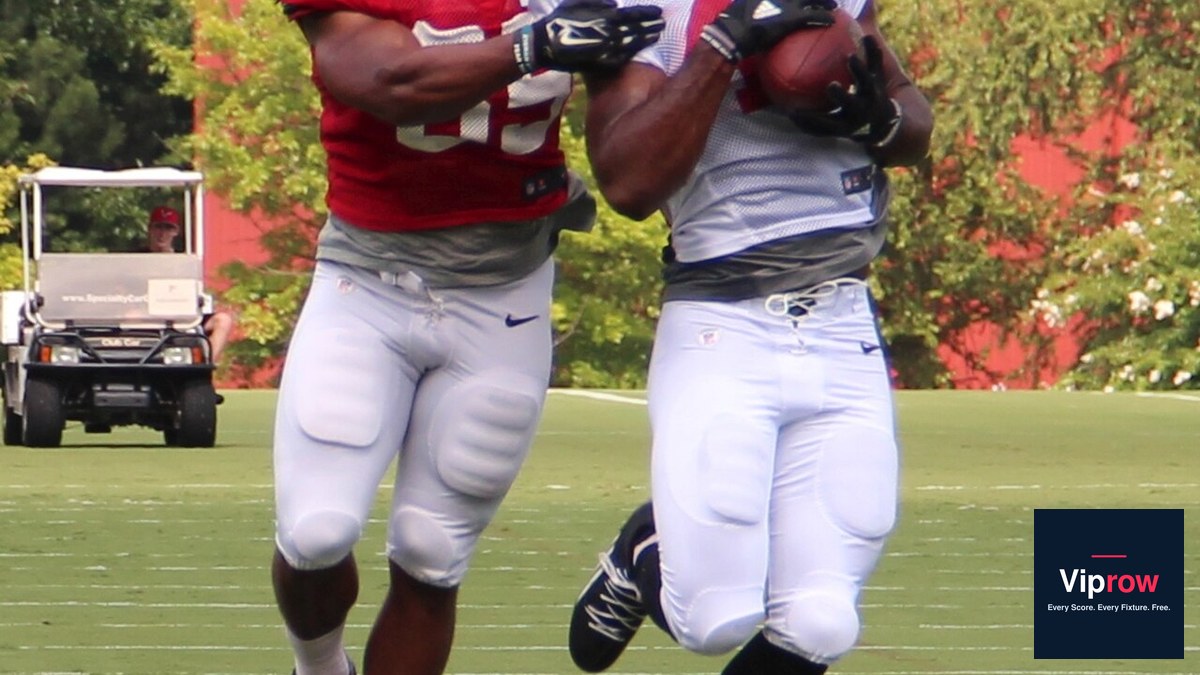
What Is an NFL Interception?
An NFL interception is one of the most exciting plays in American football. It happens when a defender catches a pass meant for the other team. As a result, possession changes hands at once, and the whole game can turn in seconds.
The rulebook defines an NFL interception in one sentence: an opponent who is inbounds catches a forward or backward pass, or a fumble, that has not touched the ground. Therefore, the ball must still be in the air when the defender takes it. If it hits the ground first, the play is dead as an incomplete pass instead.
Fans often call an interception a “pick”. The moment a defender secures the ball, his team gains possession. If he catches it at his own 30-yard line, his offence starts from that spot. If he runs with it, the spot moves with him until the play ends.
The Three Steps That Make an NFL Interception Legal
A touch alone is not a pick. Instead, an NFL interception must pass the three-step catch test. First, the defender must secure control before the ball touches the ground. Second, he must get two feet down inbounds. Third, he must make a football move, or hold the ball long enough. You can read the full catch rule in the league’s official NFL playing rules.
Step 1: Control the Ball First
Control means the defender holds the ball firmly in his hands or arms before it touches the ground. If he traps it against the turf, that is not control. A slight movement does not always mean he lost it. Officials look for a firm grip.
Step 2: Two Feet Down Inbounds
Next, the defender must touch the ground inbounds with both feet, or with another body part. A knee or an elbow also counts. If even a toe lands on the white sideline, he is out of bounds and the pass is incomplete. College football only asks for one foot inbounds, so the NFL test is stricter.
Step 3: Make a Football Move
Finally, the defender must make a football move once control and feet are set. He can tuck the ball away, take an extra step, turn upfield, or ward off an opponent. If he goes to the ground before the move and loses the ball, there is no interception. Once all three steps are complete, he is a runner, and a later fumble stays live.
What Does Not Count as an NFL Interception?
Not every near miss becomes an NFL interception, so the line matters. If the ball touches the ground before the defender secures it, the pass is incomplete. Likewise, if any part of him is out of bounds when he catches it, the play does not count. A tipped ball that hits the turf is dead at once.
Two players can also catch the same pass at the same time. When both players keep hold of it, the ball belongs to the passing team. As a result, a joint catch is never an interception. If officials are unsure whether a pass was complete, intercepted, or incomplete, they must rule it incomplete.
What Happens Right After the Pick?
Once an NFL interception is complete, the defender becomes a ball carrier. He can run with it, and his team-mates can block for him. The play ends when he is tackled, steps out of bounds, takes a knee, or scores. If he runs out of bounds, the clock stops. If he stays inbounds, it keeps running.
There is one risk, though. If the defender loses the ball before he is down by contact, it is a fumble, and the ball stays live. For that reason, smart defenders protect the ball first and run second. After the play, the intercepting team’s offence takes over there.
The Pick-Six: When an NFL Interception Becomes a Touchdown
A pick-six is an NFL interception that the defender returns all the way for a touchdown. “Pick” means the interception, and “six” means the six points a touchdown is worth. After the score, the team can add an extra point or try for two. In short, one throw can swing the score by six points.
Big returns need help. Team-mates form a convoy of blocks in front of the runner. However, the return also carries danger. A fumble during the run can hand the ball straight back. For that reason, some defenders slide down on purpose when their team leads late. They trade the highlight for safety, because the win matters more than the run.
Interceptions in the End Zone and the Touchback Rule
An NFL interception in the end zone follows special rules. If a defender catches a pass in his own end zone and is tackled there, or takes a knee, the result is a touchback. His offence then starts at its own 20-yard line.
The opposite end zone works the other way. If a defender intercepts a pass in the offence’s end zone, it is a touchdown. A two-point try has its own twist too. If the defence intercepts a pass on a two-point attempt, it can return the ball for two points. You can learn more in our guide to how NFL two-point conversions work.
The Momentum Exception
Sometimes a defender catches the ball in the field, and his momentum carries him into his own end zone. In that case, it is not a safety. Instead, his team keeps the ball at the spot of the catch. The rule only covers momentum, not choice. If he runs back into his own end zone on purpose instead and is tackled there, that is a safety, and the other team scores two points.
Why Quarterbacks Throw Interceptions
No quarterback plans to throw a pick, yet every passer does. Pressure is the first cause. When the pass rush closes in, a quarterback must throw early or off balance. As a result, the ball can sail high, fall short, or drift into coverage. Third-and-long makes it worse, because the defence knows a pass is coming.
Forced Throws Under Pressure
A forced throw is a pass into tight coverage when no receiver is open. Quarterbacks often take that risk late when their team trails. A passer may try to fit the ball through a tiny window before the pocket collapses. Often, though, a defender reads the throw and steps in front of it.
Tipped Balls and Misreads
Not every interception is the quarterback’s fault. A lineman can tip a pass at the line, and the ball can fall into a defender’s hands. Likewise, a receiver can run the wrong route, so the ball lands where no team-mate waits. Defences also disguise their coverage to fool the passer. A safety may look deep, then jump forward. When the quarterback misreads that look, the throw goes straight to the wrong shirt.
How Defences Create Interceptions
Great defences do not wait for mistakes. They plan to take the ball away. Coaches study film all week to learn a quarterback’s habits. They note his favourite routes, how he reacts to pressure, and where he looks first. A pass rush helps most of all, because a hurried throw is far easier to intercept.
Zone Coverage
In zone coverage, each defender guards an area of the field instead of one player. He watches the quarterback’s eyes and breaks on the ball as soon as it leaves the hand. Because several defenders can see the throw at once, a tipped ball often falls to one of them. Safeties sit deep to read the play, close in, and attack the ball in the air.
Man Coverage and Baiting the Quarterback
In man coverage, a cornerback stays glued to one receiver. The best corners bait the throw. They give the receiver a small cushion, so the quarterback thinks the pass is open. Then they close fast and undercut the route. Timing is everything here. If the cornerback jumps too early, the receiver breaks free. If he times it right, the ball lands in his hands instead.
Pass Interference or Interception? How Officials Decide
The line between a great interception and a penalty is thin. A defender has the right to play the ball. He can jump, reach, and catch it, even if he bumps the receiver. However, he cannot grab, hold, or push the receiver before the ball arrives. If he does, officials flag defensive pass interference.
In the NFL, defensive pass interference is a spot foul with an automatic first down. That means the offence gets the ball where the foul happened. But a clean interception wipes the penalty away. If the defender reaches the ball first and takes it fairly, there is no foul. When a play is close, officials can review it. If they still cannot tell whether it was complete, intercepted, or incomplete, they rule it incomplete.
How an NFL Interception Changes Field Position and Momentum
Field position is the hidden prize of every NFL interception. A pick near midfield hands the offence a short field, so it needs only a few plays to score. A touchback after an end-zone pick is worth just as much, moving the ball out to the 20-yard line without any risk. Field position matters on every kick too. Read our guide to how NFL punting works and how NFL field goals work.
Momentum swings just as sharply. A defence that takes the ball away lifts the whole stadium. The offence returns with energy, while the other quarterback must shake off the mistake. In a close game, one pick can change who controls the final minutes. In overtime, the effect is even bigger, because one turnover can set up the winning score. Our guide to NFL overtime rules explains the extra period.
Interceptions in the Stats: Passer Rating and Turnover Margin
Numbers tell the story of every NFL interception. The NFL passer rating runs from 0 to 158.3. It uses attempts, completions, yards, touchdowns, and interceptions. Each pick drags the score down, because the formula treats interceptions as a clear negative. A quarterback who throws two picks in one game will see his rating fall sharply, even with plenty of yards.
Teams also track turnover margin, which is takeaways minus giveaways. A team that wins the turnover battle usually wins the game, because extra possessions mean extra chances to score. For that reason, defences celebrate every interception, and quarterbacks work hard to avoid them. For the bigger picture, read how the NFL works and how the NFL playoffs work.
Famous Types of NFL Interceptions Every Fan Should Know
Some interceptions live in memory. The goal-line pick is one of them. A defence stands firm at its own goal line, takes the ball away, and saves a touchdown. The sideline toe-tap pick is another classic. A cornerback leaps at the boundary, drags both toes inbounds, and holds on as he falls.
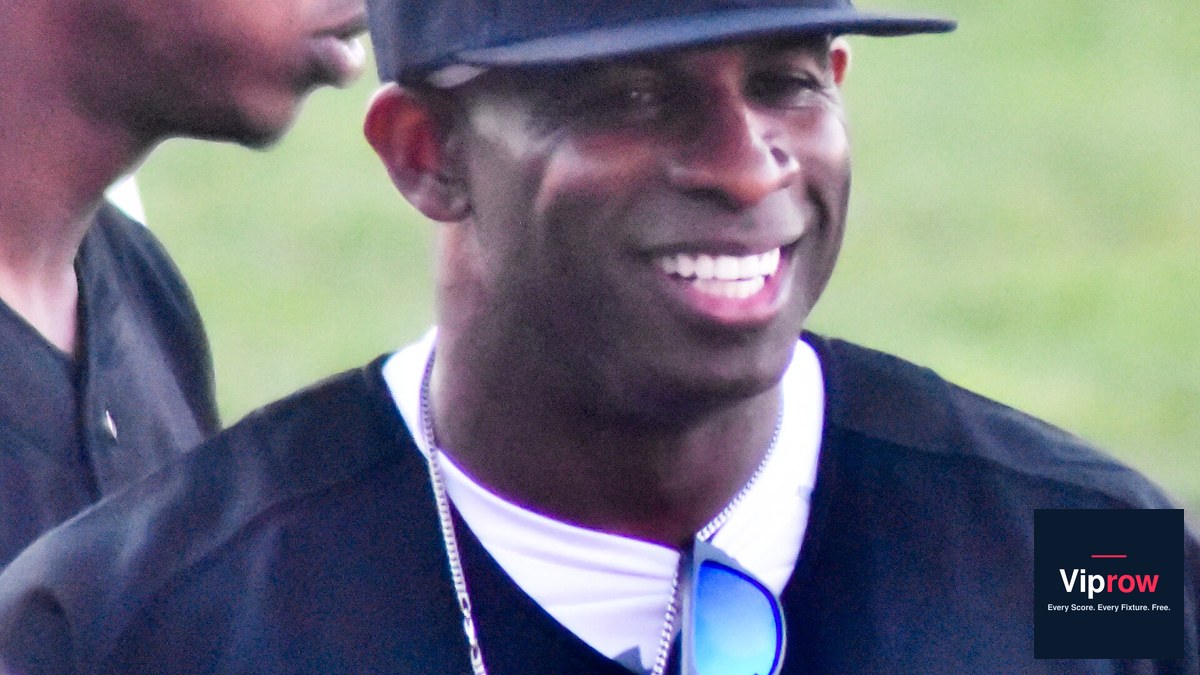
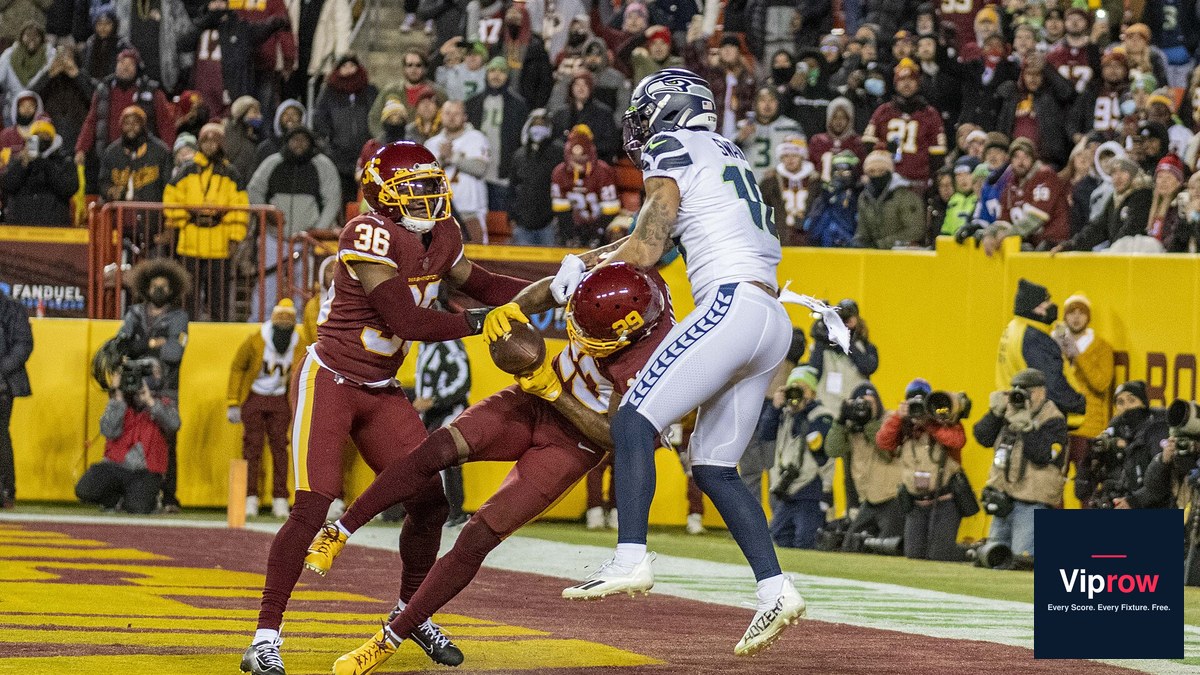
The tipped-ball pick is common too. A pass hits a lineman’s hands, hangs in the air, and drops to a linebacker. Then there is the game-sealing pick. On 29 November 2021, Washington cornerback Kendall Fuller intercepted a two-point try against Seattle. Washington held on to win 17-15. Finally, some players built whole careers on interceptions. Night Train Lane, a Hall of Fame cornerback, finished with 68 interceptions. Deion Sanders was another ball hawk.
Common Questions About NFL Interceptions
Can any defender intercept a pass? Yes. Any defensive player can catch a pass, from a cornerback to a defensive lineman. For that reason, every defender practises catching, not just the secondary.
What happens if the defender fumbles after the pick? The ball stays live. Either team can recover it, and the play continues. If the offence recovers, it keeps the ball at the spot of the recovery. If the defence recovers, the return carries on from there.
Why do defenders sometimes drop an easy interception? Sometimes they bat the ball down on purpose. On fourth down, for instance, a drop can give their offence better field position than a short return would. At other times, they simply misjudge the ball. Catching a fast pass while running at full speed is far harder than it looks.
Does an NFL interception count in overtime? Yes, it counts the same. A pick in overtime can set up the winning score, so teams guard the ball even more carefully in the extra period. One mistake can end the game.