How NFL Two-Point Conversions Work
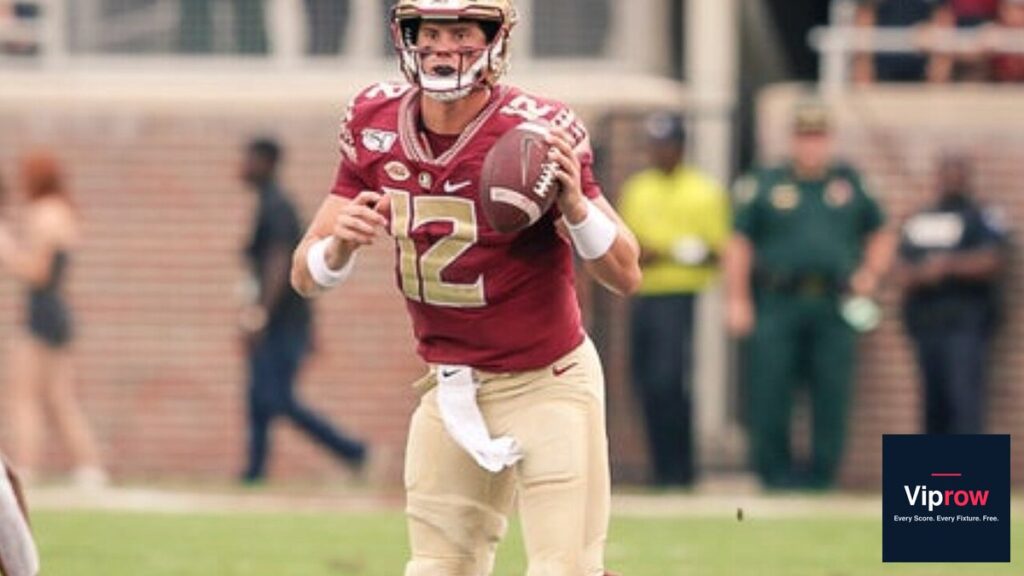
A touchdown is worth six points in the NFL. Yet the play that follows it can add one point or two. That choice can change the result of a close game. This guide explains the NFL two-point conversion in plain terms. You will learn the rule, the history, the maths, and the moments that made it famous.
A two-point conversion is one play from the 2-yard line after a touchdown. If the offence crosses the goal line, the team earns two extra points. If the play fails, the team earns nothing extra. The call looks simple on the surface. In truth, it tests nerve, planning, and timing.
What Is an NFL Two-Point Conversion?
A two-point conversion is a single play that follows a touchdown. Instead of kicking for one, the scoring team can try for two extra points. The ball is placed at the 2-yard line. The offence has one chance to carry the ball or throw it into the end zone. Success adds two points to the six from the touchdown. That makes eight points from one scoring drive. Failure adds nothing. The score stays at six points for that drive.
The try is an untimed play. During the attempt, the clock does not run. Both teams line up as they would for a normal short-yardage play. The defence lines up to stop it. Both sides know what is at stake. One play can swing the gap by two points. Fans often hold their breath for this moment. Coaches plan for it all week. The call can win a game or hand the edge to the other side.
The Basic Rule: One Play From the 2-Yard Line
The rule is clear and simple. After a touchdown, the scoring team picks one play from the 2-yard line. The ball can sit anywhere between the hash marks. The offence picks the spot. That choice can matter. A spot near the middle gives the quarterback room on both sides. A spot near a hash can open one side of the field. The referee sets the ball and signals that play can start. Once the referee signals, the choice is set. The team can change it only after a timeout or a penalty.
The play ends like any other short play. The offence scores, gets stopped, or turns the ball over. A touchdown on the try is worth two points. A stop means no extra points. The team then kicks off to the other side, unless the score ends the half. You can read how the next phase of the game works in our guide to how NFL kickoffs work. So the try and the kickoff work as a pair.
A Short History: Two Points Arrive in 1994
The NFL did not always offer two points after a touchdown. College football had used the two-point conversion since 1958. The old American Football League had used it too. The NFL held back for years. Owners finally voted to add it for the 1994 season. The change gave coaches a new weapon. It also gave fans a new thrill.
The first two-point conversion in NFL history came in the first week of the 1994 season. Tom Tupa of the Cleveland Browns scored it on a fake kick against the Cincinnati Bengals. The play was a surprise. It showed at once how bold the new rule could be.
The First Two-Point Conversion in the Super Bowl
The first two-point conversion in Super Bowl history came in the same season. Mark Seay of the San Diego Chargers caught a pass from Stan Humphries in Super Bowl XXIX. The moment proved that the new rule mattered on the biggest stage. Coaches soon saw the try as a real tool. It was not a trick for one game only. It became part of normal game plans. Today, no coach ignores it.
Run or Pass: The Two Ways to Score
The offence has two ways to score on a try. It can run the ball into the end zone. Or it can pass the ball into the end zone. Both routes start from the 2-yard line. A run often uses a strong running back. The line must open a gap. The back must hit it fast. A pass often uses a quick throw to a tight end or a wide receiver. The quarterback must read the defence in seconds. The throw must be sharp and safe.
Coaches pick the route that fits the team. A side with a big line may trust the run. A side with a tall receiver may trust the pass. Trick plays also appear. A fake kick can catch the defence off guard. A direct snap to a running back can do the same. The best play calls hide the plan until the last second. The defence must guess right. One wrong step can open the end zone.
Two Points or One: How It Differs From the Extra Point Kick
The other choice after a touchdown is the extra point kick. A kicker tries to send the ball through the uprights. The kick is worth one point. Since 2015, the ball is snapped from the 15-yard line. That makes it a 33-yard kick. Before 2015, the kick came from the 2-yard line. It was almost automatic. The longer kick made it less certain. Kickers still make most of them. The success rate sits near 94 to 95 per cent. Our guide to how NFL field goals work explains the kicking game in more detail.
A kick and a try are very different risks. The kick is safe and steady. The try is bold and risky. A coach must weigh the score, the time left, and the strength of the team. The official rulebook sets out both options in full. You can read the rules at the NFL Operations site. The choice is made before the play starts. A kick team looks different from a two-point team. The defence reads the shape and sets its own plan.
The Defence Can Score Too
Since 2015, the try is a live play for both sides. The defence can score on it too. If the defence takes the ball and returns it to the other end zone, it earns two points. The return can start from an interception, a fumble recovery, or a blocked kick. It stays live until the return ends. To score, the defence must cross the full length of the field. That makes it one of the rarest scores in the game.
The Defensive Two-Point Conversion in Action
The most famous case came on 4 December 2016. Eric Berry of the Kansas City Chiefs picked off a two-point try. He ran it back 99 yards for two points for his side. The play swung the game. It showed that a failed try can hurt twice. The offence loses its two points. The defence gains two of its own. Coaches now warn players to protect the ball on every try. One loose ball can turn a bold call into a costly mistake.
When Coaches Go for Two: The Maths of the Decision
Coaches do not pick two points by gut feel alone. They use maths and game data. The expected value of a try is close to the expected value of a kick. A kick succeeds about 94 to 95 times in 100. A try succeeds about 47 to 48 times in 100. Two points times 47 per cent is close to one point times 94 per cent.
The numbers are almost equal. The choice then turns on the score and the clock. A team that needs two points has no real choice. A team that needs one point will kick. The middle cases need care.
Teams build their rosters to win these short-yardage battles. They pick strong linemen, smart quarterbacks, and sure-handed receivers through the draft. A side with a mobile quarterback may trust the try more. A side with a weak line may trust the kick more. Wind and rain can make the kick harder, so weather can tilt the call. Coaches weigh all of this in seconds.
The Score Gaps That Change the Call
Some score gaps make the call clear. A team down by eight points after a touchdown can tie the game with a two-point conversion. That is the most famous case. Fans know it well. The whole stadium watches one play.
A team down by 14 points late in the game may try for two on the first touchdown. Success cuts the gap to six. A touchdown and a kick can then win the game. Failure leaves the gap at eight. The team still needs a touchdown and a try to tie. The risk is real, yet many analysts back the bold call.
A team up by one point late in the game may also try for two. Success lifts the lead to three. The other side then needs a field goal to tie. A kick would lift the lead to two. The other side would still need a touchdown to win. The gap of three is often worth the risk.
Coaches study these gaps all week. They keep a chart on the sideline. The best coaches follow the chart, yet they also trust what they see on the field.
How Often Do Two-Point Tries Succeed?
Two-point tries succeed about half the time. The long-run rate sits near 47 to 48 per cent. That is far below the extra point kick, which succeeds about 94 to 95 per cent of the time. Yet the try is worth twice as much. That is why the maths stays close. The rate shifts from team to team. A side with a strong running game may beat the average. A side with a weak line may fall below it. The rate also shifts from year to year. Defences adapt to new plays. Coaches then find new answers. The battle never stands still.
Famous Two-Point Conversion Moments
Some two-point tries live on in NFL history. Tom Tupa scored the first one in 1994 on a fake kick. Mark Seay caught the first one in a Super Bowl in Super Bowl XXIX. Jalen Hurts scored a touchdown and then the two-point conversion to tie Super Bowl LVII with 5:20 left in the game. The play is known as an octopus, when one player scores the touchdown and the conversion that follows it. You can read more about the big game in our guide to the Super Bowl.
Eric Berry gave fans the other kind of famous moment. His 99-yard return for the defence in 2016 showed that a try can swing both ways. These plays stay in the memory. They show why the try is one of the most tense plays in the sport.
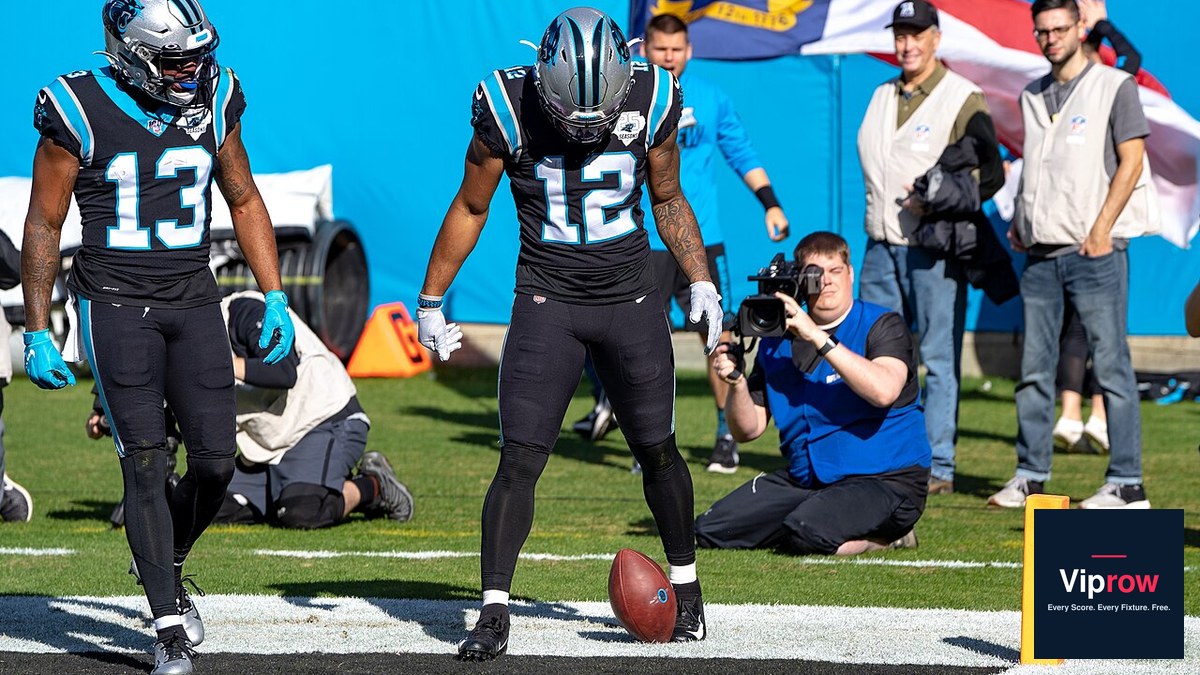
Two-Point Conversions in Overtime
The try matters in overtime too. Overtime rules give both sides a chance to hold the ball in most cases. A touchdown in overtime can end the game at once in some cases. The team that scores may still face the try choice. A two-point conversion can turn a close lead into a safer one. It can also tie a game that looks lost. Coaches plan their overtime calls before the coin toss. They know the gaps that force a try. They know the gaps that call for a kick. Our guide to how NFL overtime works sets out the full rules.
Two-Point Conversions in the Playoffs
The playoffs raise the stakes on every call. One loss ends the season. Coaches may take more risks than they would in a normal league game. A two-point try can save a season or end it. The call draws praise or blame for years. Fans recall the bold calls long after the season ends. The maths does not change in the playoffs. The pressure does. A coach must trust the plan and the players. Our guide to how the NFL playoffs work explains the road to the Super Bowl.
NFL vs College Football: The 2-Yard Line vs the 3-Yard Line
College football also uses the two-point conversion. The ball sits at the 3-yard line in college, one yard further back than in the NFL. That extra yard matters. It gives the defence more room to react. College teams still try for two in the same key spots. The maths is the same. The pressure is the same. Only the starting spot differs.