The 2026 Formula 1 Rules: New Cars, New Engines and New Teams
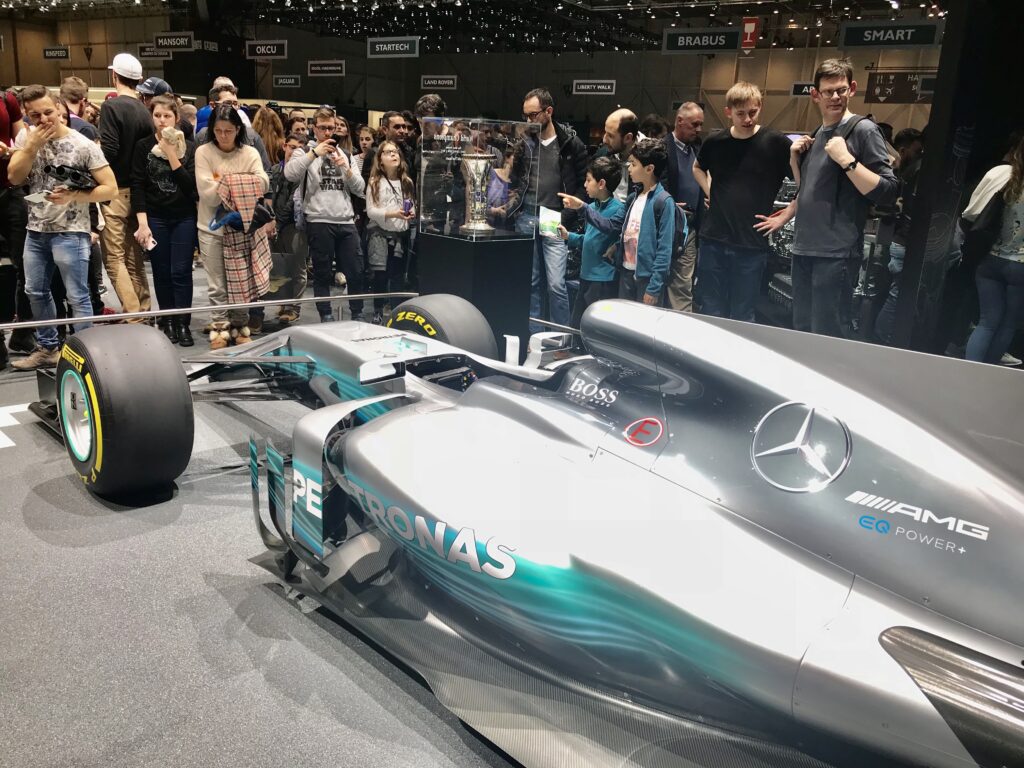
The 2026 Formula 1 season is being run under the biggest rule change in years. New cars, new power units and two new teams have arrived at once, and the sport looks and sounds different as a result.
The biggest change is in the engines. The hybrid power units now get almost half of their power from the electric motor, up from about a fifth under the old rules, and the MGU-H, the part of the old system that recovered energy from the turbo, has been removed to make the technology simpler and more relevant to road cars. The cars also run on fuel made entirely from sustainable sources.
The cars themselves are smaller, narrower and lighter than the machines they replaced, and they use active aerodynamics. The front and rear wings can change shape during a lap, switching between a high-downforce mode for corners and a low-drag mode for straights. DRS, the system that opened the rear wing to help overtaking, is gone, replaced by active aero and an overtake boost that gives a driver extra electrical power when chasing the car ahead.
There are new names on the grid too. Audi has joined Formula 1 as a works team, taking over the Sauber operation, and Cadillac has arrived as the 11th team on the grid, backed by General Motors. That takes the field to 22 cars. Elsewhere, Red Bull now builds its power units in partnership with Ford, and Honda has returned as the engine partner of Aston Martin.
The aim of all of this is closer racing and a more sustainable sport. The early races of 2026 have already shown a different order, and the fact that a 20-year-old in a Mercedes has taken the title in the first year of the new rules says a lot about how the change has shaken the sport up.