How Football Penalty Shootouts Work: Rules, Order and Sudden Death Explained
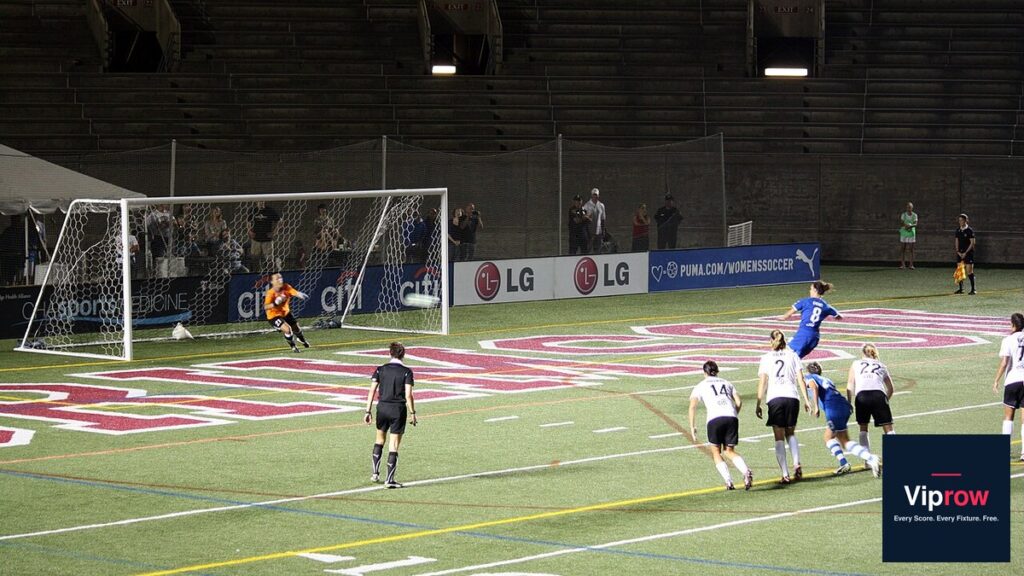
A football penalty shootout decides a match when neither team can win in normal time. It also decides cup ties and knockout games that must have a winner. The football penalty shootout rules are simple at first glance. However, the details matter a lot. The order of kicks can change the result. The goalkeeper has strict limits. And after five kicks each, sudden death begins.
This guide explains the football penalty shootout rules in plain English.
What Is a Football Penalty Shootout?
A penalty shootout is a tiebreaker. It takes place after a match ends level and the rules of the competition demand a winner. Each team takes turns to shoot at goal from the penalty spot. The team that scores more goals after its set of kicks wins the match.
The shootout is not part of normal play. It is a separate contest that starts after the final whistle. The score from normal time no longer matters. Both teams start the shootout on equal terms. Each kick is a duel between one shooter and one goalkeeper. Every other player waits at the centre circle. As a result, the tension builds with every kick. One save or one miss can change everything.
A shootout kick looks like a penalty in normal play, yet the rules are not the same. During a match, play continues after the kick, and players can follow up and score from a rebound. In a shootout, there is no rebound. Once the kick is complete, that kick is over.
When Do Penalty Shootouts Happen?
Shootouts happen when a match must produce a winner. They are common in cup competitions and knockout rounds. A cup final cannot end in a draw. So if the score is level after extra time, a shootout decides it.
In most knockout competitions, extra time comes before a shootout. Extra time means two periods of 15 minutes. If the score is still level after extra time, then the shootout begins. Some competitions skip extra time in early rounds and go straight to penalties after 90 minutes. Either way, the shootout rules stay the same. You can check upcoming cup ties and knockout fixtures on football fixtures today.
The Basic Setup of a Shootout
The referee controls the whole shootout. Before it starts, the referee tosses a coin. The winner of the toss chooses which goal to use. Then a second toss decides which team kicks first. These small choices can matter. Some teams prefer to kick first. Others prefer to shoot towards their own fans.
All kicks take place at the same goal, and only the shooter and the goalkeeper take part in each kick.
Each kick is taken from the penalty spot, 11 metres from the goal line. The ball must be still before the kick. The shooter places it on the spot and waits for the referee’s signal. Then the shooter runs up and strikes the ball in one clear action. Only the players who were on the pitch at the end of the match can take part. Substitutes who were not used cannot join in. In addition, any player sent off during the match cannot take a kick. Coaches pick the order with care. They often put a confident finisher first and save a calm player for a key kick.
The Football Penalty Shootout Rules for Kick Order: Five Each, Taking Turns
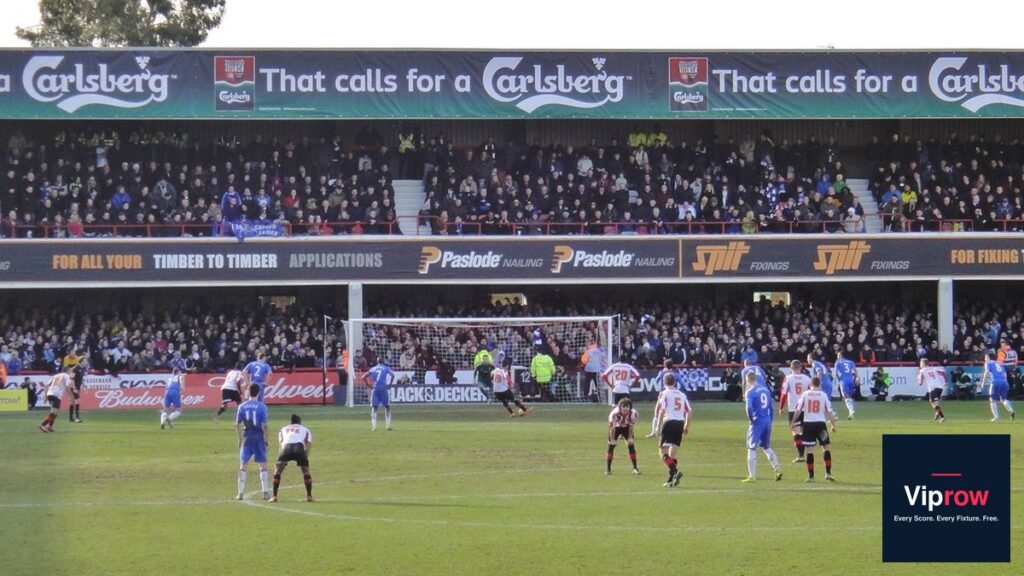
The football penalty shootout rules give each team five kicks. The teams take turns. Team A kicks first. Then Team B kicks. After that, Team A kicks again. This pattern continues until both teams have taken five kicks each. The short name for this pattern is ABAB order.
The team with more goals after five kicks each wins the match. For example, if Team A scores four and Team B scores three, Team A wins. The shootout ends at once when the result is certain.
Kicking first brings a small edge. Research over many years shows that the team kicking first wins slightly more often. The reason is pressure. When the second team kicks, it often kicks to stay level or to stay alive. In contrast, the first team sets the score and forces the other team to respond. Even so, the edge is small. Good teams win from either side. Therefore, coaches focus more on picking the right kickers than on winning the toss. The old ABBA trial order ended, and the current rule uses the simple alternating ABAB order.
Sudden Death: What Happens After Five Kicks Each
If both teams score the same number of goals after five kicks each, the shootout moves to sudden death. In sudden death, each team takes one kick at a time. The teams still take turns. The round ends when one team scores and the other misses in the same round. At that point, the team that scored wins.
Each sudden death round has two kicks, one for each team. First, Team A kicks. Then Team B kicks. If both score, the shootout moves to the next round. If both miss, it also moves on. But if one scores and the other misses, the shootout ends at once.
Sudden death can last for many rounds. If all ten outfield players and the goalkeeper have kicked, the order starts again. The same players kick again in the same order. Yet most shootouts end within a few sudden death rounds. In addition, every eligible player must take a kick before any player can take a second kick. This rule applies in sudden death too.
Football Penalty Shootout Rules for Goalkeepers
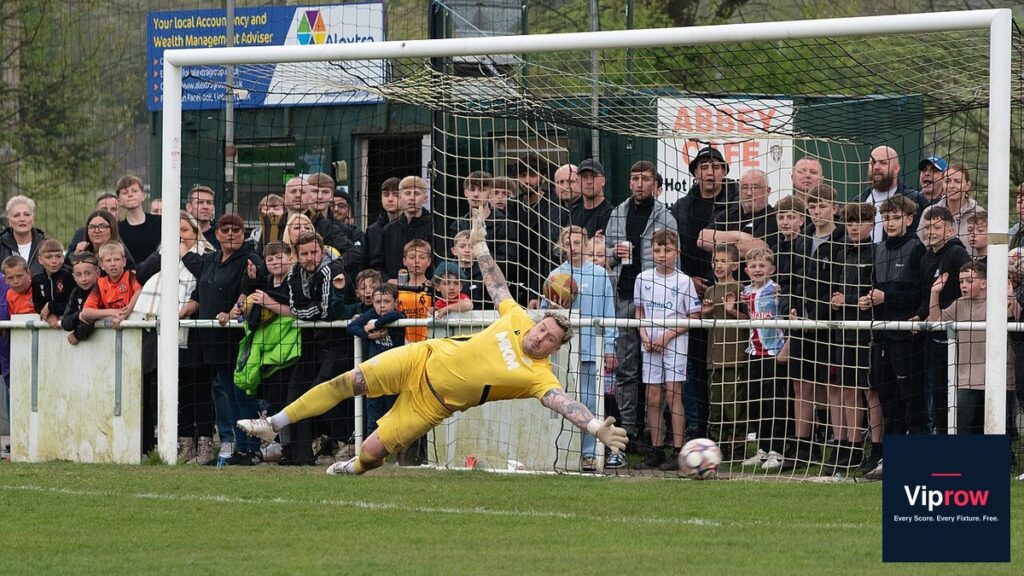
The goalkeeper plays a key role in every kick. The rules for the goalkeeper are strict. First, the goalkeeper must stay on the goal line until the ball is kicked. The goalkeeper can move along the line from side to side. However, the goalkeeper cannot step forward before the kick.
If the goalkeeper moves off the line too early and saves the kick, the referee can order a retake. The goalkeeper may also get a warning or a yellow card for repeated offences. Therefore, goalkeepers must time their movement with care. Modern video checks can catch a goalkeeper who steps forward early.
A goalkeeper can be replaced during a shootout if injured, but only when the team still has a substitution left. The replacement must be a named substitute. The injured goalkeeper cannot return. The goalkeeper can also take a kick. In a long shootout, the goalkeeper may need to step up.
What the Kicker Can and Cannot Do
The shooter must follow clear rules too. The shooter can take a run-up of any length. The shooter can also pause or slow down during the run-up. This is called a stutter step. It is allowed as long as the shooter does not stop completely at the ball and fake a kick.
Once the run-up ends, the shooter must kick the ball forward in one action. The shooter cannot stop and then start again after reaching the ball. A complete stop and a fake kick is an offence. If it happens, the referee disallows the goal and may show a yellow card.
A shootout kick has no rebound. The kick ends when the ball stops moving, goes out of play, or the referee stops play. For example, if the ball hits the post and bounces back, the shooter cannot kick it again. The kick is over. The same rule applies if the goalkeeper saves the ball and it stays in play. No other player can score from it.
A goal counts when the whole ball crosses the goal line between the posts and under the bar. The goal can come from a direct shot. It can also come from a deflection off the goalkeeper, the post or the bar, as long as the ball then crosses the line. Video checks can also confirm whether the ball fully crossed the line. To learn more about how video checks work, read how VAR works in football, checks, decisions and controversies explained.
Reduce to Equate: Fewer Players on One Side
One rule surprises many fans. If one team has fewer players than the other at the end of the match, the team with more players must reduce its numbers to match. This rule is called “reduce to equate”. It keeps the shootout fair.
For example, suppose Team A ends the match with 11 players. Team B ends with 10 players after a red card. Before the shootout, Team A must leave out one player. Then both teams have 10 players for the shootout. That player takes no part in the shootout.
The rule stops a team from gaining an edge by having more kickers. Without it, the team with 11 players could use its full squad. Meanwhile, the team with 10 players would run out of fresh kickers sooner. That would be unfair. So the rules level the numbers before the first kick.
Common Myths and Mistakes
Many fans think a shootout is a lottery. It is not. Skill, practice and nerve all matter. Teams that prepare well win more shootouts than teams that do not. A calm shooter picks a corner and commits to it. A nervous shooter may change the plan at the last second. That change often leads to a miss.
Shootouts do not affect league tables in most cases. The rules that decide the table are points, goal difference and goals scored. You can read how those rules work in how the Premier League table works, points, goal difference and relegation explained.
The offside rule does not apply in a shootout, since only one shooter and one goalkeeper take part in each kick. If you want a plain guide to that rule, read how the offside rule works in football explained in plain English.
How to Follow a Shootout Live
A shootout moves fast. Each kick takes only a few seconds. Yet the gaps between kicks feel long. Live score pages update kick by kick. You can see who scored, who missed and who is next. This makes it easy to follow even if you cannot watch the match.
For a full guide to matchday tracking, read how to follow live football scores and fixtures, a complete matchday guide.
Frequently Asked Questions
How many kicks does each team get in a shootout?
Each team gets five kicks. The teams take turns. If the scores are level after five kicks each, the shootout moves to sudden death. In sudden death, each team takes one kick per round until one team wins a round.
What is sudden death in a penalty shootout?
Sudden death starts when the scores are level after five kicks each. Each team takes one kick in turn. If one team scores and the other misses in the same round, the scoring team wins.
Can the same player take two kicks before everyone has kicked?
No. Every eligible player must take a kick before any player can take a second kick. This rule applies in sudden death too.
Can a goalkeeper take a penalty in a shootout?
Yes. The goalkeeper is an eligible player. In a long shootout, the goalkeeper may need to take a kick. Some goalkeepers are good penalty takers. Their kicks count just like any other player’s kick.
What happens if the goalkeeper steps off the line early?
If the goalkeeper steps off the line before the kick and saves it, the referee can order a retake. The goalkeeper may get a warning or a yellow card. If the kick goes in, the goal stands.
Where can I read the official rules?
The official rules come from the International Football Association Board, known as IFAB. You can read the full Laws of the Game at the IFAB Laws of the Game.
Final Thoughts
Penalty shootouts are one of the most dramatic parts of football. The football penalty shootout rules are fair and clear. Each team gets five kicks. The teams take turns. Sudden death decides the match if the scores stay level. The goalkeeper must stay on the line. The shooter gets one kick with no rebound. And teams with fewer players reduce their numbers to match.
Now you know how the whole process works, so the next time a cup tie goes to penalties, you will follow every kick with confidence.