
Boxing training camps are the hidden part of every big fight. Fans see the walkout, the ring and the result. However, most of the real work happens weeks before fight night. Therefore, this guide explains how boxing training camps work in clear steps. It covers camp length, daily training, sparring, food, weight cuts and fight week. As a result, you will understand why fighters train so hard and why camps matter so much.
What Is a Boxing Training Camp?
A boxing training camp is a planned period of focused training before a fight. It brings a boxer, a head trainer and a full support team together in one place. In addition, the camp sets clear goals for fitness, skills and weight. The boxer trains most days, eats to a plan and rests on a set schedule. A camp is not just a gym routine. Instead, it is a full plan for one fight and one opponent. For example, the team studies the opponent’s style and builds drills to match it.
Why Fighters Leave Home for Camp
Many boxers move away from home during camp. First, this step removes daily distractions and helps the boxer focus. Next, a quiet base gives the team control over food, sleep and training times.
How Long Do Boxing Training Camps Last?
Most boxing training camps last between six and twelve weeks. However, eight to ten weeks is the most common length for a big fight. A short camp may suit a fit boxer with a short break. On the other hand, a longer camp suits a boxer who needs more time to build fitness. The first weeks build a base. Then the middle weeks add hard sparring and sharp skills. Finally, the last week eases off so the boxer arrives fresh.
How Camp Length Changes by Fight Level
Title fights often need longer camps than lower-level bouts. This is because the opponent is stronger and the rounds are longer. In addition, a title fight brings more media work and more pressure.
Who Works in a Boxing Training Camp?
A boxing training camp needs more than one trainer. The head trainer leads the plan and runs most gym sessions. In addition, assistant trainers help with pads, bags and drills. Cutmen prepare for fight night and look after the boxer between rounds. Strength and conditioning coaches build power, speed and stamina. Nutritionists plan meals and manage the weight cut. Physiotherapists treat sore muscles and small injuries. Sparring partners copy the opponent’s style in the ring.
The Head Trainer and the Corner Team
The head trainer is the main voice in camp. First, the trainer sets the daily plan and picks the sparring partners. Next, the trainer watches every session and gives short, clear advice. In addition, the trainer decides when to push hard and when to rest.
A Typical Day in Boxing Training Camps
A typical day in boxing training camps starts early and follows a set routine. The boxer often wakes early for roadwork or a light run. After that, breakfast follows a strict nutrition plan. Then the morning gym session focuses on skills, pads or bags. Lunch and rest come next. In the afternoon, the boxer may do strength work or sparring. Evening brings food, recovery and sleep. The exact times change by camp. However, the pattern stays much the same.
Morning Sessions and Afternoon Sessions
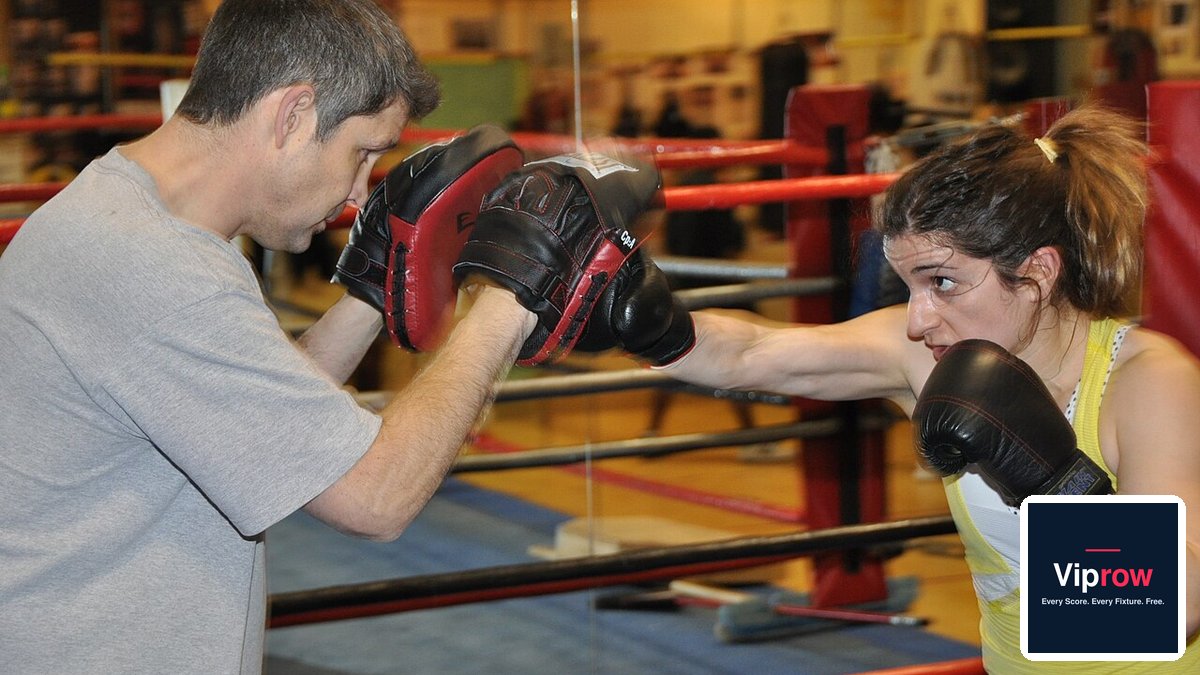
Morning sessions often focus on skill and speed. For example, the boxer may work on footwork, defence and combinations. Pad work also fits well in the morning. The boxer is fresh, so the work is sharp.
Sparring: The Heart of Boxing Training Camps
Sparring is the closest thing to a real fight in camp. It lets the boxer test skills against a live opponent in the ring. In addition, sparring builds timing, distance and reactions. The boxer learns when to punch, when to move and when to hold. Sparring partners are picked with care. They often copy the opponent’s height, stance and style. For example, a tall southpaw opponent needs tall southpaw sparring partners. The head trainer watches closely and stops the work if needed.
How Sparring Builds Timing and Confidence
Timing is hard to learn without sparring. Bag work helps power and fitness. However, only sparring teaches a boxer to read a moving opponent. In addition, sparring builds confidence in defence.
Pad Work, Bag Work and Skill Drills
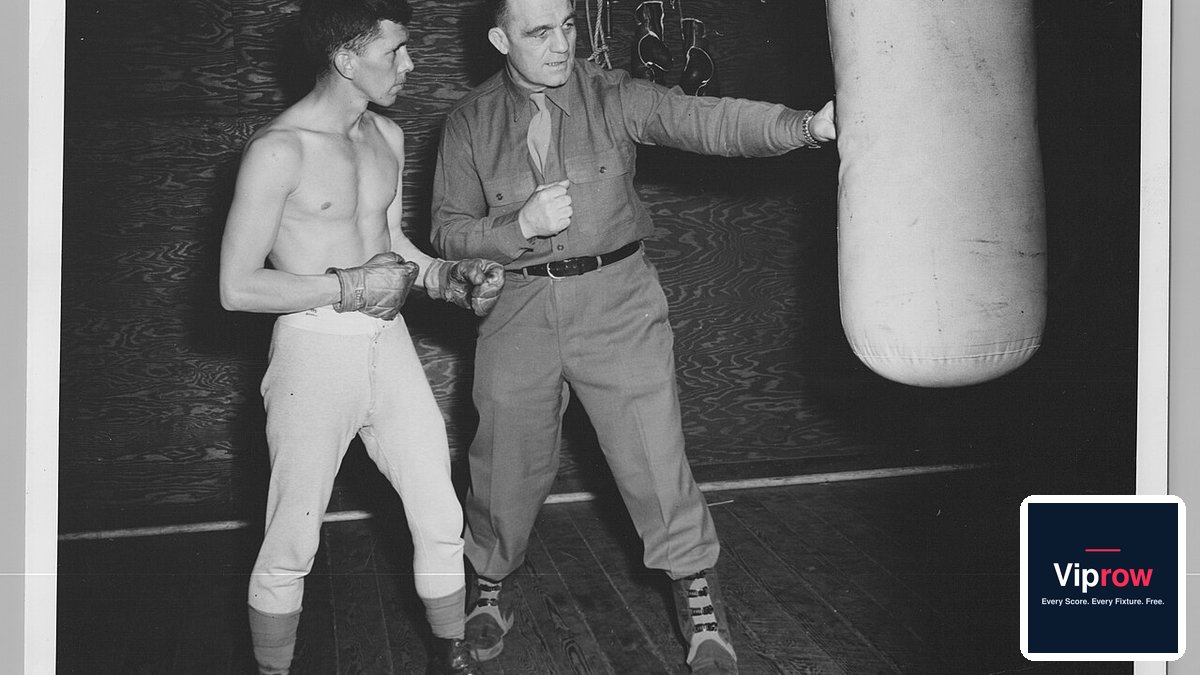
Pad work is a key part of boxing training camps. The trainer holds pads and calls out combinations. The boxer then throws punches with speed and accuracy. In addition, pad work builds footwork and head movement. It also helps the boxer link defence to attack. Heavy bag work builds power and stamina. The boxer hits the bag in rounds, just like a fight. Shadow boxing helps the boxer practise movement without an opponent.
Drills That Sharpen Defence and Footwork
Defence drills teach the boxer to stay safe under fire. For example, the boxer may practise slipping, rolling and blocking in short bursts. Footwork drills teach the boxer to move in and out of range. In addition, the trainer may use cones or lines to guide movement.
Roadwork, Strength and Conditioning
Roadwork means running, and it has long been part of boxing. Early morning runs build stamina and help with weight control. In addition, roadwork builds mental toughness. The boxer runs alone with a clear goal in mind. Strength and conditioning work adds power and speed. It may include weights, bodyweight moves and sprint drills. However, the work must suit boxing. The aim is not to build a bodybuilder. Instead, the aim is to build a strong, fast and durable fighter.

Why Fitness Work Must Match the Fight Plan
Fitness work in camp must match the length of the fight. A twelve-round fight needs deep stamina. A shorter fight still needs speed and sharp bursts. Therefore, the conditioning coach plans the work around the fight distance.
Nutrition and Recovery in Boxing Training Camps
Food is fuel in boxing training camps. The nutritionist plans meals to match training load and weight goals. Protein helps muscles recover after hard sessions. Carbohydrates give energy for training. Healthy fats support overall health. In addition, the boxer may eat smaller meals more often. This pattern helps energy stay steady through the day. Sleep is just as important as food.
Sleep, Rest Days and Injury Care
Rest days are part of the plan, not a sign of weakness. A rest day may include light stretching or a short walk. It may also include a physio session. In addition, the team checks for sore joints, tired legs or low mood.
Weight Cuts and the Official Weigh-In
Weight is a big part of boxing training camps. Every boxer must make an agreed weight limit for the fight. To learn how each limit works, read our guide to how boxing weight classes work and what each division means. In camp, the team tracks weight each day. Meals and training are then adjusted to keep the cut on track. A slow, steady cut is safer than a fast, harsh cut. In the final days, the boxer may cut water weight to hit the limit. This step must be managed with care.

How Fighters Make Weight Safely
Safe weight cuts start early in camp. The boxer does not wait until the last week. Instead, the team sets a target weight for each week. In addition, the nutritionist checks food and water intake daily. The boxer may use a sauna or hot bath in the final days.
The Mental Side of Boxing Training Camps
Boxing training camps test the mind as well as the body. The boxer trains hard, eats to a plan and spends weeks away from home. In addition, media duties and fight hype add pressure. Doubt can grow in the quiet hours of camp. Therefore, mental preparation matters. Some boxers use visualisation to picture the fight. Others use breathing drills to stay calm. The trainer also plays a key role. Short, clear advice builds trust and focus. Team talks can lift mood and set goals.
Focus, Pressure and Staying Calm
Pressure grows as fight night gets closer. Tickets, media and fans all add noise. However, a good camp teaches the boxer to block out that noise. The daily routine helps. When each day has a clear plan, the boxer can focus on the next session.
Fight Week in Boxing Training Camps
Fight week is the final stage of boxing training camps. Training drops in volume, but the work stays sharp. The boxer may do light pads, shadow boxing and short runs. In addition, the team checks weight each day. Media duties fill much of the week. The boxer attends a press conference, open workouts and interviews. Fans and cameras add to the buzz. The official weigh-in is a key moment. After it, the boxer can eat and rehydrate. The team also checks gloves, hand wraps and fight gear.
Media Duties, Open Workouts and the Weigh-In
Open workouts let fans and media see the boxer train. The boxer may hit pads or bags for a short time. However, the work is light. The aim is to show form, not to train hard. Press conferences bring the two fighters face to face.
Fight Night and What Happens After the Fight
Fight night is the end of the camp journey. The boxer arrives at the venue hours before the fight. The team wraps the hands and warms up in the dressing room. In addition, the boxer may hit pads to stay loose. Then comes the walkout, the ring and the opening bell. During the fight, the corner gives advice between rounds. The cutman treats any cuts fast. To understand those key moments, read our guide to how boxing knockouts work, from the ten count to the TKO and corner stoppages. After the fight, the boxer may need medical checks.
Recovery, Review and the Next Camp
Recovery after a fight can take days or weeks. The boxer rests, eats well and treats any injuries. In addition, the team watches for signs of concussion or fatigue. Once the body recovers, the team reviews the fight. They look at what worked and what needs more work.
Key Takeaways From Boxing Training Camps
Boxing training camps follow a clear pattern. They last six to twelve weeks and build fitness, skills and weight control. Sparring sits at the heart of the work. Pad work, bag work and drills sharpen technique. Roadwork and conditioning build stamina. Food and sleep aid recovery. Weight cuts need care and planning. Fight week brings media, the weigh-in and a taper. Finally, fight night tests everything the camp built. The World Boxing Council shares news, rankings and fight details on its official site. You can check the latest champions and events at the World Boxing Council official website.
A Simple Camp Checklist for Fans
Use this short checklist to follow any camp. First, check the camp length and the fight date. Next, look for sparring news and trainer comments. Then watch the weight updates through fight week. In addition, note the open workout and the weigh-in result. Finally, watch the first rounds for fitness and sharpness. These steps give a clear picture of camp form. To learn the scoring rules, read our guide to how boxing judges score a fight under the 10-point must system. The cost of a big fight also shapes the event. To see how fight nights reach fans, read our guide to how boxing pay-per-view works, with PPV prices, undercards and fight night explained.
In the end, a strong camp often shows on fight night. The boxer moves well, thinks clearly and lasts the distance. In addition, the corner gives calm, useful advice. The boxer can adjust when the fight changes. A weak camp may show in slow feet or fading stamina. It may also show in poor defence or low confidence. However, camp quality is not the only factor. The opponent, the style match and the night itself also matter. Even so, a good camp gives the boxer the best chance. For that reason, teams invest so much time in camps. The work is hard, but the reward is clear. To see how belts fit into a career, read our guide to boxing title belts, the WBA, WBC, IBF and WBO, and how champions are crowned.
1 thought on “How Boxing Training Camps Work: Sparring, Weight Cuts and Fight Week Explained”