
NBA shooting is the skill that decides most games in the league. Every point comes from a shot, and every shot follows the same basic idea. A player puts the ball through a hoop that sits 10 feet above the floor. Yet the details make all the difference. In this guide, we explain NBA shooting in plain terms.
What NBA Shooting Really Means
NBA shooting covers every attempt to score: jump shots, layups, floaters, hook shots, and three-pointers. It also includes free throws, which are unguarded shots from the foul line. A shot from inside the line is worth two points, one from outside is worth three, and a free throw is worth one. As a result, coaches build their attack around good shots. In short, NBA shooting is about shot choice, timing, and space, not just talent.
The Jump Shot: The Heart of NBA Shooting
The jump shot is the most common shot in NBA shooting. A player jumps, releases the ball at the top of the jump, and aims for the rim. The shot is hard to block because the ball leaves the hands high, and the shooter can take it from almost any spot.
The Basic Form of a Jump Shot
Good form starts with the feet. The shooter squares up to the basket, bends the knees, and rises in one smooth motion. The shooting hand sits under the ball, and the other hand guides it. At the top of the jump, the arm extends fully and the wrist snaps forward. Coaches call this the follow-through. It gives the ball backspin, which helps it drop into the net. A high arc also helps, because it gives the ball a bigger target.
Why Balance Matters So Much
Balance is the key to a repeatable jump shot. A balanced shooter repeats the same motion every time. When a shooter is off balance, the shot drifts left or right. For example, a fadeaway is harder because the shooter moves away from the basket, and a step-back is harder because he steps back first. Defenders force these tough shots on purpose by crowding the shooter. As a result, the best shooters train their legs, core, and landing daily.
How the Three-Point Line Works in the NBA
The three-point line changed NBA shooting more than any other rule. A shot from behind the line is worth three points instead of two. The line sits 23 feet 9 inches from the basket at the top of the arc, and 22 feet in the corners. That corner spot is the shortest three-pointer on the court, so coaches design plays to free shooters there. For a shot to count as a three, the shooter must have at least one foot outside the line before the attempt. However, the shooter may land inside the line after the release and still score three points. You can read more about the history of the three-point shot on the three-point field goal page.
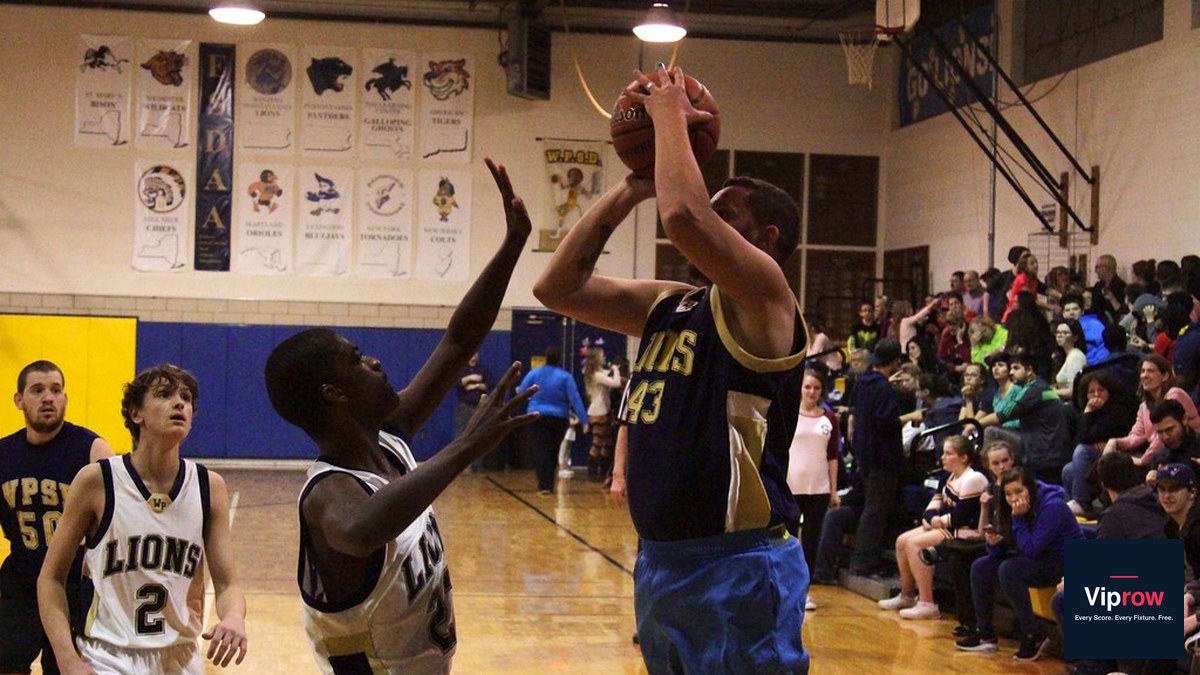
In the 1979-80 season, teams made under one three-pointer per game. Today, they take more than 35.
Free Throws: The Easiest Point in the Game
A free throw is an unguarded shot from the foul line, 15 feet from the backboard. No defender stands in front of the shooter, and no one can block the shot. For that reason, free throws should be the easiest points in NBA shooting. Yet even the best players miss them, because pressure and tired legs play a part. Over a full game, a few missed free throws can turn a win into a loss.
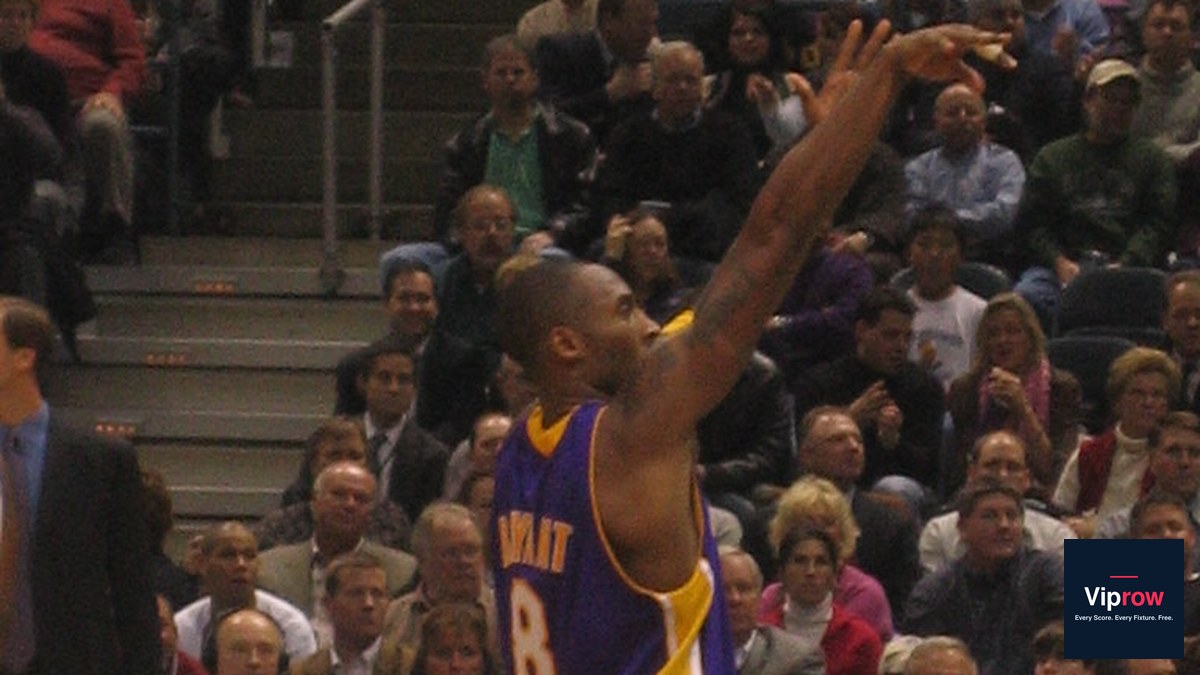
The Free Throw Routine
Every good free throw shooter follows the same routine. First, the player steps to the line and bounces the ball. Then the player takes a breath, bends the knees, and shoots with the same motion as always. A shooter has 10 seconds to take the free throw once the ball is given by the official. Other players line up along the lane for the rebound. They may not cross into the lane until the ball leaves the shooter’s hand. If the shooter steps over the line first, the shot does not count.
Why Free Throws Decide Close Games
Close games often come down to free throws in the final minutes. A team that is ahead gets fouled on purpose, because the clock stops and the other team must earn points one at a time. Teams also foul a poor free throw shooter on purpose, just to send him to the line. It is legal, but it slows the game. For this reason, every NBA player works on free throws, even the tallest centres.
Catch-and-Shoot vs Pull-Up Shots
Not all jump shots start the same way. A catch-and-shoot shot happens when a player catches a pass and shoots at once. The player has no time to dribble, so the feet must be set and the hands ready. This is the quickest shot in NBA shooting. It works best when a team-mate draws the defence and kicks the ball out to an open shooter. In a pull-up shot, the player dribbles toward the basket, stops suddenly, and rises for the shot. The defender is often still moving, and that gap is enough to get the shot off. However, pull-up shots are harder. The shooter must stop, balance in a split second, and shoot with the same form. Catch-and-shoot shots are usually more accurate because the body is still and set. The best scorers can do both.
Bank Shots and the Backboard
A bank shot uses the backboard on purpose. The shooter aims at a spot on the glass, and the ball bounces into the rim. The shot is common from the side of the court, where the angle is sharp. Big players near the basket also use the glass to protect the ball from a block. The backboard gives the shooter a bigger target: a square on the glass instead of the thin rim. For example, a player driving from the wing will often bank the ball in. The glass slows the ball into the basket, and it forgives a small error in aim. Yet the bank shot has a limit: it does not work well from straight in front of the basket, where the angle is too flat.
The Shot Clock and Late-Clock Shooting
The shot clock is the 24-second timer that controls NBA shooting. When a team gains the ball, it has 24 seconds to attempt a shot that hits the rim, or the other team gets the ball. After an offensive rebound, the clock resets to 14 seconds instead of 24. It also shapes every shot. Early in the clock, teams look for the best shot. Late in the clock, they take what they can get. A shot with two seconds left is often a hard, guarded shot. The ball must leave the shooter’s hand before the clock hits zero and touch the rim, or the shot is a violation even if it goes in. As a result, teams practise late-clock plays.
Fouls on Shooters and the And-One
A foul on a shooter sends the player to the free throw line. A foul on a missed two-point attempt gives two free throws, and a foul on a missed three gives three. If the shot goes in and the shooter is fouled, the basket counts and he gets one extra free throw. Fans call this an and-one. A made three-pointer plus a foul can lead to a four-point play. Defenders must therefore be careful. They can contest a shot, but they may not hit the shooter’s arm or body, or land in his space. The rules protect the shooter while he is in the air. In addition, a player is disqualified after six personal fouls. Because of this, smart defenders contest shots with a high hand and a straight body.
NBA Shooting Percentages: What the Numbers Mean
Shooting percentages tell fans how well a player or a team shoots. Field goal percentage covers all shots from the field, three-point percentage covers threes, and free throw percentage covers free throws. Each number is a share out of 100 attempts. For example, 40 made threes out of 100 is 40 per cent from deep. These numbers need context. A centre takes most shots near the rim, so a high field goal percentage is normal. A guard takes more threes, so a lower one is normal too. In the 2024-25 season, teams made about 13 to 14 threes per game from about 37 to 38 attempts. They show where a player scores, how far out he shoots, and how safe he is at the line.
How Defences Try to Stop Shooters
Defences work hard to take away good shots. They close out fast, with a high hand and short, quick steps. They fight through screens so the shooter never gets open. They switch on screens, so a fresh defender stays with the shooter. Some teams play zone defence, which guards areas instead of players. The zone can protect the paint, but it can leave gaps for open threes. In addition, defences use scouting reports. They leave the weak shooter open and crowd the strong one. This is why a team needs more than one shooter: if only one can shoot, the defence can focus on him. To learn how teams guard shooters on the other end of the floor, read our guide on how NBA defence works.

How NBA Players Practise Their Shooting
NBA players practise shooting more than any other skill. A typical session starts with form shooting close to the basket, one hand at a time. Then the player moves back step by step. Next come spot shots from five places, then shots off the dribble, off screens, and on the move. Coaches track every make and miss. They use video to check the feet, elbow, and follow-through. They also use data to find weak spots, and build extra reps there. Practice also covers free throws, with hundreds of reps a week. Players also work on conditioning, because tired legs make shots fall short. Finally, players practise under pressure, with a defender closing out.

Common Shooting Mistakes and How to Fix Them
Even good shooters fall into bad habits. The most common mistake is a flat shot with too little arc. It hits the front of the rim and bounces away. The fix is to aim higher and finish with a full follow-through. Another mistake is a drifting elbow, which sends the ball off line. The fix is to keep the elbow under the ball and in line with the basket.
A third mistake is rushing the shot, when the shooter jumps before the feet are set. The fix is to catch, set the feet, and then rise in one calm motion. A fourth mistake is poor shot choice. Young players often take long, guarded shots early in the clock. The fix is to move the ball, use a screen, and wait for a better look. Coaches also watch the guide hand. If it pushes the ball, the shot twists in the air. The fix is to let it fall away at the release.
Why NBA Shooting Decides Games in the Modern NBA
Shooting decides games because the maths is clear. A three-pointer is worth 50 per cent more than a two-pointer, so a team that makes threes at a good rate scores more on the same number of shots. For this reason, teams now build their rosters around shooting, signing shooters and drafting young players who can shoot from deep. To see how teams add shooters to their squads, read our guide on how NBA free agency works. Money follows shooting too. Teams pay a premium for players who space the floor. Our guide on how NBA salaries and the salary cap work in 2026 explains how those deals fit under the cap.
In the playoffs, shooting matters even more. Defences tighten, so the teams that still make their shots advance. Our guide on how the NBA playoffs work shows how the post-season raises the stakes. Over the 82-game regular season, the same truth holds week after week. You can read how the long season shapes those results in our guide on how the NBA regular season works. In short, NBA shooting is the skill that turns good teams into great ones.
4 thoughts on “How NBA Shooting Works: Jump Shots, Free Throws and Three-Pointers Explained”