
A cricket powerplay is a set period at the start of a limited-overs innings when the fielding side faces strict limits on where its fielders can stand. Only a few fielders can wait near the boundary then, so batters get more space to hit through gaps and score fast. Yet the risk also rises, because a mistimed shot can still find a catcher close in.
This guide explains the rules for one-day internationals and Twenty20 cricket. You will learn how many overs each powerplay lasts, how many fielders can stand outside the circle, and how the limits change. The rules come from the ICC playing conditions, which build on the Laws of Cricket.
What Is a Cricket Powerplay?
A cricket powerplay is a phase of an innings with a set limit on fielders outside the inner circle. The inner circle sits 30 yards from the middle stump at each end. During a powerplay, the fielding captain must keep most fielders inside that circle. Only two fielders can stand outside it in the opening powerplay. Therefore, the outfield stays open for batters.
The term covers the whole system, not just one single period. In an ODI, the innings has three linked phases with different limits. In a T20, the opening phase has the tightest limit, and then the limit relaxes for the rest of the innings. A powerplay only changes the field setting, and that shifts the balance between bat and ball.
Why Powerplays Exist in Limited-Overs Cricket
Powerplays exist to keep limited-overs cricket lively and fair. Without them, a fielding captain could place all nine fielders on the boundary from the first ball. Then batters would struggle to score, and the game would turn slow and dull. Instead, they force fielders close in and give batters a fair chance to score early.
The rules also create a clear contest between attack and defence. Batters know the boundary is open, so they try to use the period well. Bowlers know they have less cover, so they must bowl with skill and nerve. As a result, the opening overs often set the tone. A strong powerplay can lift a team, while early wickets can shift the pressure back.
The 30-Yard Circle and Fielding Restrictions
The 30-yard circle is the key to every cricket powerplay rule. Umpires mark it with a line or discs, 30 yards from the centre of each set of stumps. During a powerplay, the limit counts fielders outside this circle. Fielders inside the circle can stand anywhere, close to the bat or spread across the infield. The count matters when the bowler delivers the ball.
In the opening powerplay, only two fielders can stand outside the circle. That rule applies in both ODIs and T20s. After the opening phase, the limit rises. In an ODI, four can stand outside in the middle overs, and five in the final ten overs. In a T20, five fielders can stand outside after the first six overs. If a side breaks a limit, the umpire calls a no-ball.
ODI Powerplay 1: The First 10 Overs
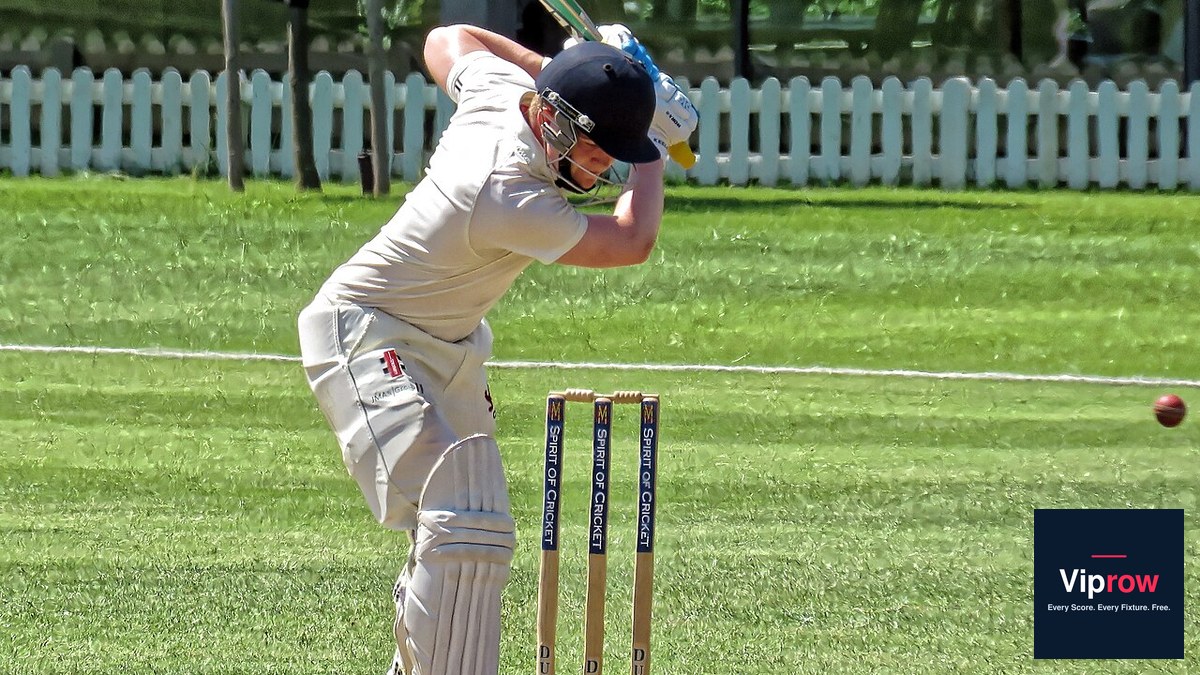
In an ODI, the first powerplay lasts for the first ten overs of the innings. This phase is mandatory, and it starts with the first ball. During these ten overs, only two fielders can stand outside the 30-yard circle. The other seven fielders must stay inside the circle, plus the wicketkeeper and bowler. So batters have room to hit through the gaps.
Teams plan the first ten overs with care. Openers often aim to score fast, because the field is up and the ball is new. They look for gaps in the infield, and they also try to hit over the top. However, the new ball can swing and seam, so early wickets are a real risk. A team that loses two or three wickets may need to slow down and rebuild.
What Two Fielders Outside Means in Practice
Two fielders outside the circle means the captain must choose which areas to guard. Most captains place one at deep cover or long off, and one at fine leg or deep mid-wicket. As a result, a batter who picks the gap can find the rope.
ODI Powerplay 2: The Middle Overs
In an ODI, the second phase runs from over 11 to over 40. During this long block, at most four fielders can stand outside the circle. The limit is looser than in the first ten overs, so the fielding captain can cover more of the boundary. However, the field is still open enough for batters to rotate the strike. This phase lasts for 30 overs, so it covers more than half of the innings.
The middle overs often decide the match. Teams that bat well here build a platform for a strong finish. They take singles, turn the strike over, and hit boundaries when the bowler misses. Teams that bowl well here slow the scoring rate and take wickets at key moments. Spinners often bowl long spells here, because the ball is older and the pitch may turn.
ODI Powerplay 3: The Death Overs
In an ODI, the third phase runs from over 41 to over 50. During these final ten overs, at most five fielders can stand outside the 30-yard circle. The fielding captain can now cover most of the boundary. Yet batters still score fast here, because they take more risks and aim for big shots in the closing overs.
The death overs test both sides in different ways. Batters look for yorkers to hit and gaps to exploit. Bowlers must mix pace, length, and line to stop the flow of runs. A yorker on the stumps, a slower ball, or a wide ball can force a dot or a wicket. A full toss or a half-volley can disappear for six.
T20 Powerplay: The First 6 Overs

In a T20, the opening powerplay lasts for the first six overs of the innings. During these six overs, only two fielders can stand outside the 30-yard circle. Since a T20 innings lasts only 20 overs, the six-over powerplay covers nearly a third of the innings. That share makes it even more important than the ODI opening phase.
T20 openers often attack from the first ball. They know the field is up and the boundary is open. They may hit over the infield or pull a short ball. A strong T20 powerplay can bring 50 or more runs, and it can set up a big total. However, early wickets can hurt a T20 side fast, because the innings is short and there is less time to rebuild.
The Rest of a T20 Innings After the Powerplay
After the first six overs in a T20, the fielding limit rises to five fielders outside the 30-yard circle. This looser limit applies from over 7 to over 20. So the fielding captain can cover much more of the boundary. In practice, T20 batters keep attacking, because the format rewards fast scoring in every phase.
The change in the limit shifts the tactics. Batters must now hit over or past five boundary fielders, so placement matters more. They may aim for gaps between deep fielders or hit straight down the ground. Bowlers gain more cover, so they can bowl fuller or wider at times. Yet they must avoid loose balls, because a T20 batter can punish any error.
The Batting Powerplay: A Short History
The batting powerplay is a key part of cricket powerplay history. In the past, ODI rules gave the batting side a chance to choose when to take an extra powerplay. The idea started in the mid-2000s, when the ICC changed the old 15-over fielding restriction system. Then the ICC split the limits into blocks, and it let the batting side pick one block as a batting powerplay.
Under that system, the batting side could call a five-over batting powerplay at a time of its choice. During those five overs, only three fielders could stand outside the circle. The ICC later removed the batting powerplay from ODI cricket. The current rules use three fixed phases instead: ten overs with two fielders out, 30 overs with four out, and ten overs with five out. So the term now refers to that former rule.
How Teams Plan Their Batting Around Powerplays
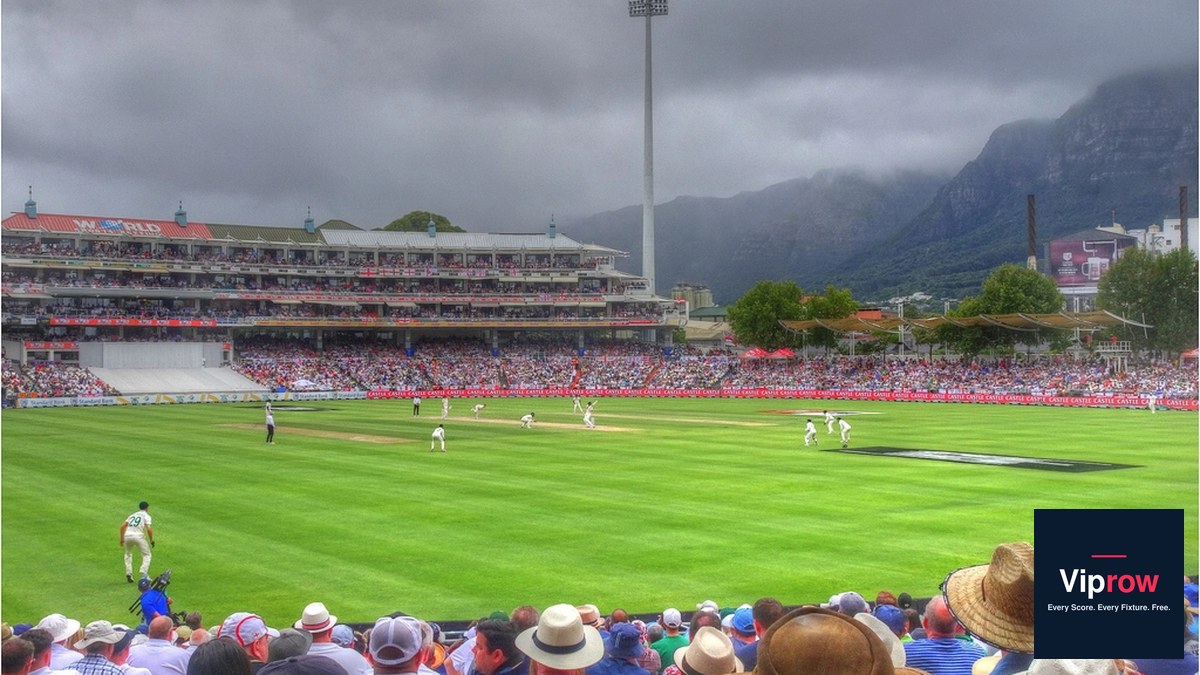
Batting plans around a cricket powerplay start before the first ball. Coaches study the pitch, the boundary size, and the bowling attack. Then they pick openers who suit the early conditions. Some openers attack from the start, while others play safe and then expand. The key is to use the open field without losing too many wickets. A team that scores fast and keeps wickets can dominate the middle overs.
Openers also plan shot by shot. They look at the field before each ball, and they pick gaps to target. If fine leg is up, they may glance a ball fine. Good running adds to the plan, because quick singles keep the strike moving and put pressure on the fielders. In this way, the powerplay rewards batters who read the field, not just batters who hit hard.
Opening Pair Roles in a Powerplay
Most teams give each opener a clear role in the powerplay. One opener may attack, while the other holds an end and rotates the strike. This split lets the team score fast without exposing both batters to risk.
How Bowlers and Captains Plan Against Powerplays
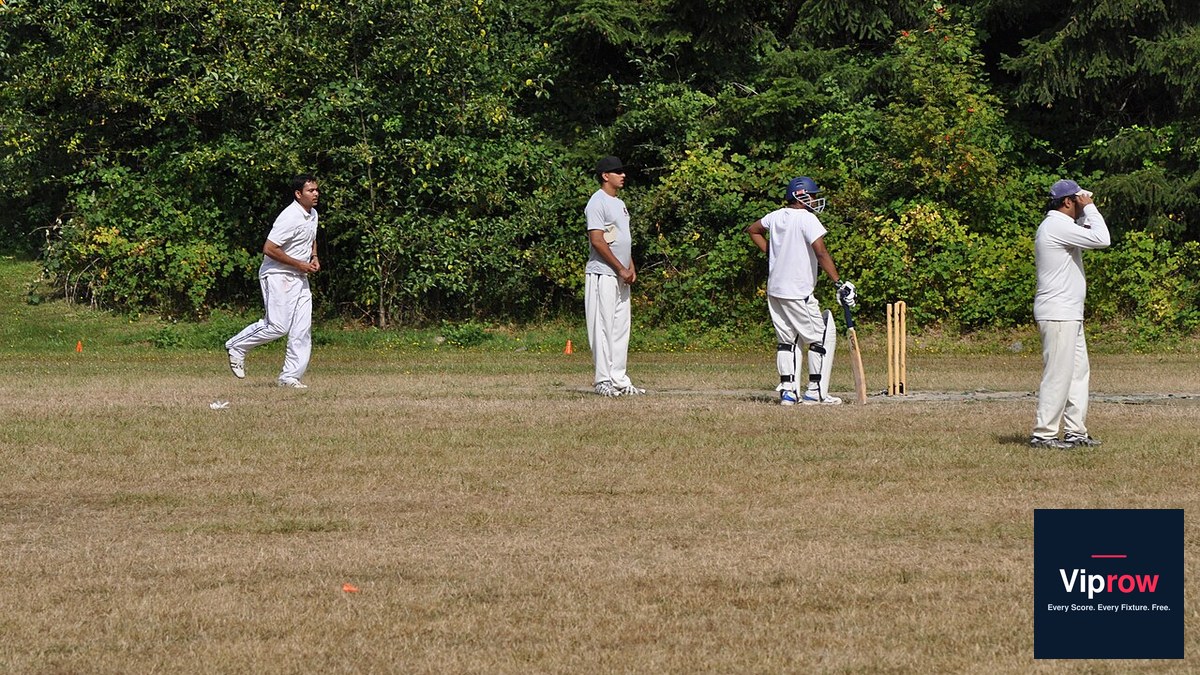
Bowlers and captains plan against a cricket powerplay with equal care. They know the field is up, so they must bowl to a plan and trust it. Fast bowlers often start with a full length or a good length, aiming at the stumps or just outside off stump. They use swing with the new ball, and they vary pace to stop batters from settling. Spinners, when used early, bowl flat and fast.
Captains set fields to match each bowler and each batter. Against a batter who drives, they may pack cover and mid-off. Against a batter who pulls, they may place a fielder at deep square leg. They also move fielders ball by ball. A dot ball builds pressure, and pressure forces a risky shot. A wicket in the powerplay can change the whole innings. For more on bowling skills, read How Cricket Bowling Works: Pace, Spin and Swing Explained. For more on batting skills, read How Cricket Batting Works: Shots, Running and Dismissals Explained.
Powerplays in Test Cricket: Why There Are None
Test cricket has no powerplay. The format lasts up to five days, with no limit on overs per innings. As a result, fielding restrictions would not fit the long form. Captains can set any field they like, within the basic Laws, at any time. They can place nine fielders on the boundary, or they can pack the slip cordon with seven catchers.
This freedom shapes Test cricket in a clear way. Batters must build an innings over hours, not overs. They face spells of fast bowling and spin, and fields that change with each session. Bowlers can attack with close catchers, and they can also defend with a spread field. So the contest rests on skill, patience, and stamina. To learn more about the long format, read How Test Cricket Works: A Beginner’s Guide. To learn more about the short format, read How T20 Cricket Works: The Shortest Format Explained.
Common Mistakes Fans Make About Powerplays
Fans often make simple mistakes about the cricket powerplay, mostly from old rules or mixed formats. The first mistake is to mix up ODI and T20 limits. In an ODI, the opening phase lasts ten overs. In a T20, it lasts six overs. The fielding limit is the same in both cases, but the length differs. So always check the format before you judge a powerplay score.
The second mistake is to think the batting powerplay still exists in ODIs. It does not. The ICC removed that choice, and the current ODI rules use three fixed phases. A related mistake is to think a powerplay means free hits or bonus runs. It does not. The powerplay only limits fielders. It gives no extra runs and no free hit. A final mistake is to judge a powerplay by runs alone. Wickets matter as much as runs. For umpiring and DRS rules, read How Cricket Umpiring Works: Decisions, DRS and the Third Umpire Explained. For the official rules, see the ICC rules and regulations.