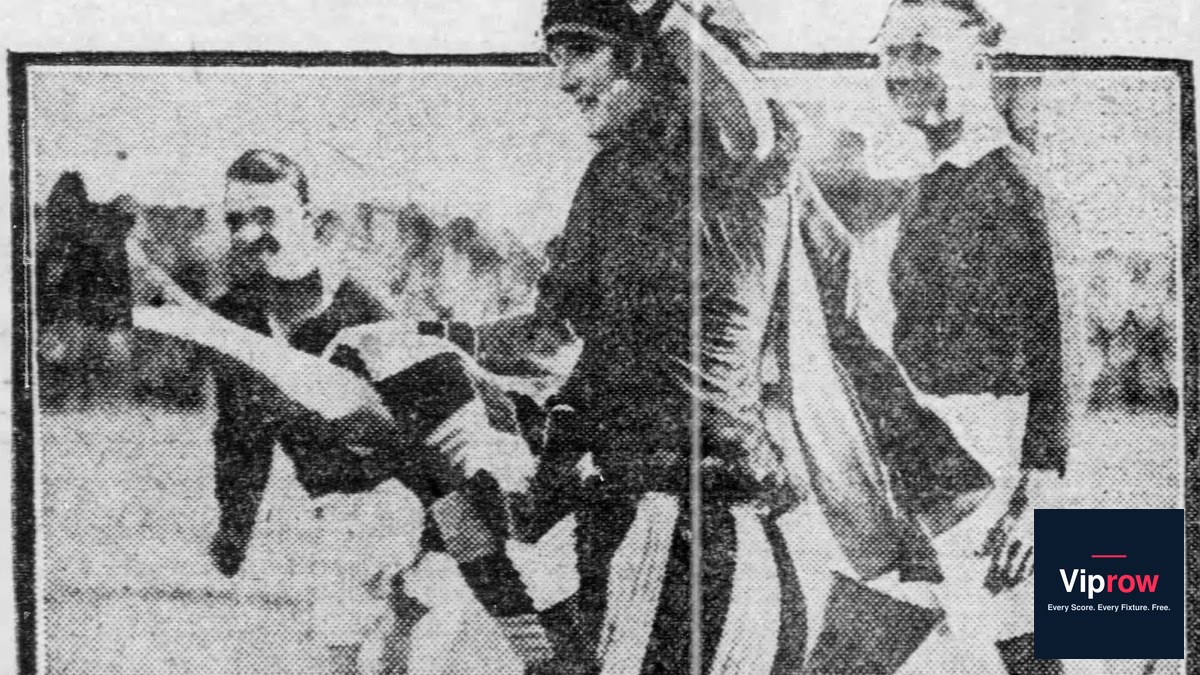
Every football match starts the same way. The ball sits still on the centre mark, the players take their places, and the referee blows the whistle. Then one kick sets the whole game in motion. That one kick looks simple, but clear rules govern it. This guide explains each step in plain words. For example, a team that has just conceded a goal gets the ball back at once, and the game restarts from the centre.
What Is a Football Kick-Off?
A football kick-off starts play and restarts play after a goal. No other restart begins a half. So every match has at least two kick-offs, one at the start and one after half-time. However, most matches have more, because each goal leads to another kick-off. The taker kicks the ball forward, sideways, or back to a team-mate. In short, the kick-off has a fixed place, the centre mark, and a fixed set of rules about who can stand where.
When a Kick-Off Starts Play
A kick-off starts play at the beginning of the match and at the beginning of the second half. That means the team that did not kick off in the first half kicks off in the second half. As a result, the team that conceded the goal takes the next kick-off. Fans who want to know what happens when extra time ends level can read our guide to how football penalty shootouts work, rules, order and sudden death.
When Each Half Begins
Each half begins with a fresh kick-off, and the teams change ends at half-time. So the coin toss at the start shapes the whole match. However, the half-time switch happens automatically, and the teams need no second toss. The full rules for extra time sit in our guide to how football extra time works, rules, substitutions and golden goal history.
The Coin Toss Decides the First Kick-Off
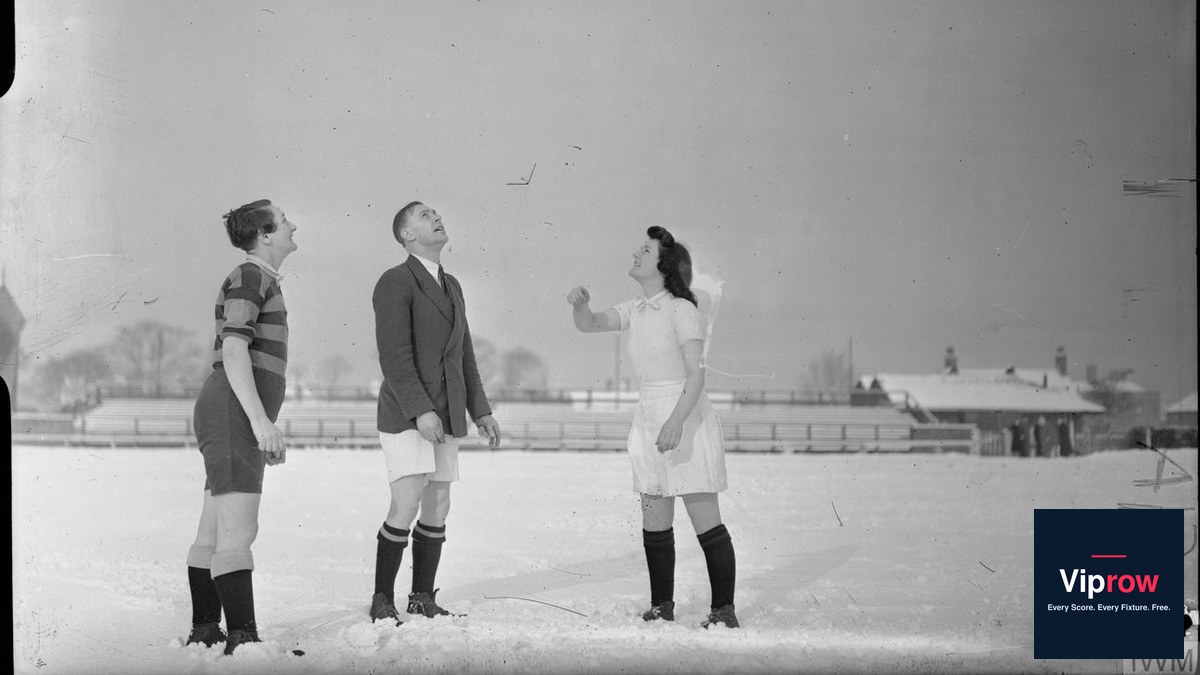
Before the match starts, the referee tosses a coin. The team that wins the toss has a choice. It can choose to kick off, or it can choose which goal to attack in the first half. Also, the team that loses the toss takes the option that is left. As a result, if the winners choose to kick off, the losers choose the goal. However, if the winners choose the goal, the losers kick off.
Where Every Player Must Stand
Every player except the taker stays in their own half at a kick-off. So no player from either team may cross the halfway line before the ball comes into play. Also, the taker must still stand in their own half when they kick the ball. As a result, the halfway line acts as a clear border. In short, the rule keeps the start fair and gives both teams a clear shape before the ball moves.
The 9.15 Metre Rule for Opponents
All opponents must stay at least 9.15 metres, or 10 yards, from the ball until play starts. So the defending team must stand outside the centre circle. Also, the centre circle has a radius of 9.15 metres, so the painted line marks the limit.
The Ball and the Centre Mark
For a kick-off, the ball must sit still on the centre mark. So it cannot roll, and it cannot sit a step to the side. Also, the centre mark is the small spot at the middle of the pitch, at the centre of the halfway line. The full text sits in IFAB Law 8, which covers the start and restart of play.
How the Kick-Off Is Taken
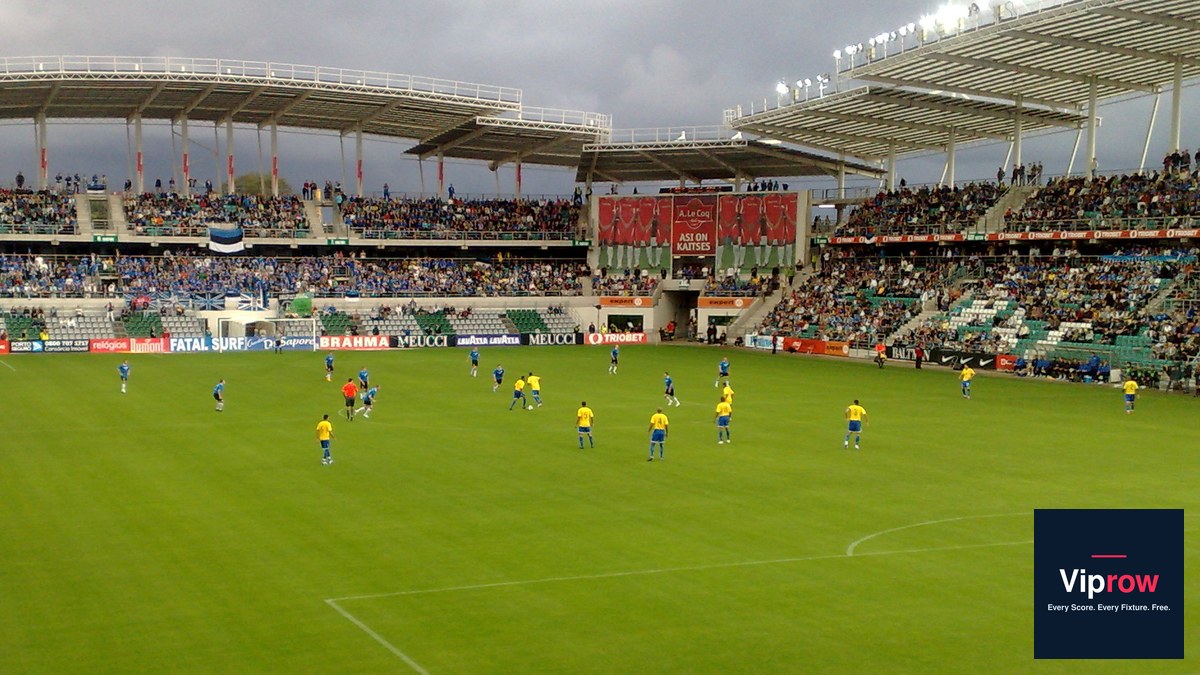
The taker kicks the ball to start play. Also, the taker may kick the ball in any direction. So the Laws allow a backward pass, and they allow a forward pass too. However, the kick must be a clear kick, not a touch that does not move the ball. As a result, the referee watches for a real kick. That choice depends on the team’s plan. In short, the Laws give the taker freedom on direction, but they still demand a proper kick.
The Referee’s Signal
The referee signals for the taker to take the kick-off. So the taker must wait for that signal. Also, the referee usually blows a whistle for the signal. As a result, every player knows when play can start. That whistle is not a formality. It is the point at which the match, the half, or the restart begins. In short, the signal gives the referee time to check the positions, the distance of the opponents, and the still ball before play starts.
When the Ball Is in Play
Play starts when the taker kicks the ball and it clearly moves. So a tiny touch that does not move the ball does not start play. Also, the word clearly matters. The kick must move the ball in a way that everyone can see. In that case, the referee will ask the teams to retake the kick. That rule stops tricks and stops confusion. In short, a clear kick and a clear move start play, and from that moment the match is live. Also, the referee watches the kick closely, because a ball that barely moves can cause doubt about whether play has started.
Scoring Direct From a Kick-Off
A taker may score a goal direct from a kick-off against the opposing team. So a taker can shoot from the centre mark and score if the ball goes into the opponents’ goal. Also, the goal counts without any other player touching the ball. However, this is very rare in real matches. As a result, teams use short passes for most kick-offs, not shots. Fans can read our guide to how goalkeepers work in football to learn how keepers judge long shots.
The Own-Goal Corner Rule
If the ball enters the kicker’s own goal direct from a kick-off, the referee awards no goal. Instead, the referee awards a corner kick to the opponents. So a backward shot that goes wrong cannot punish the kicking team with an own goal. For example, a taker who slips and sends the ball back towards their own goal would give away a corner, not a goal. Fans can read our guide to how football corners work to learn how teams then take that corner.
Kick-Offs After a Goal
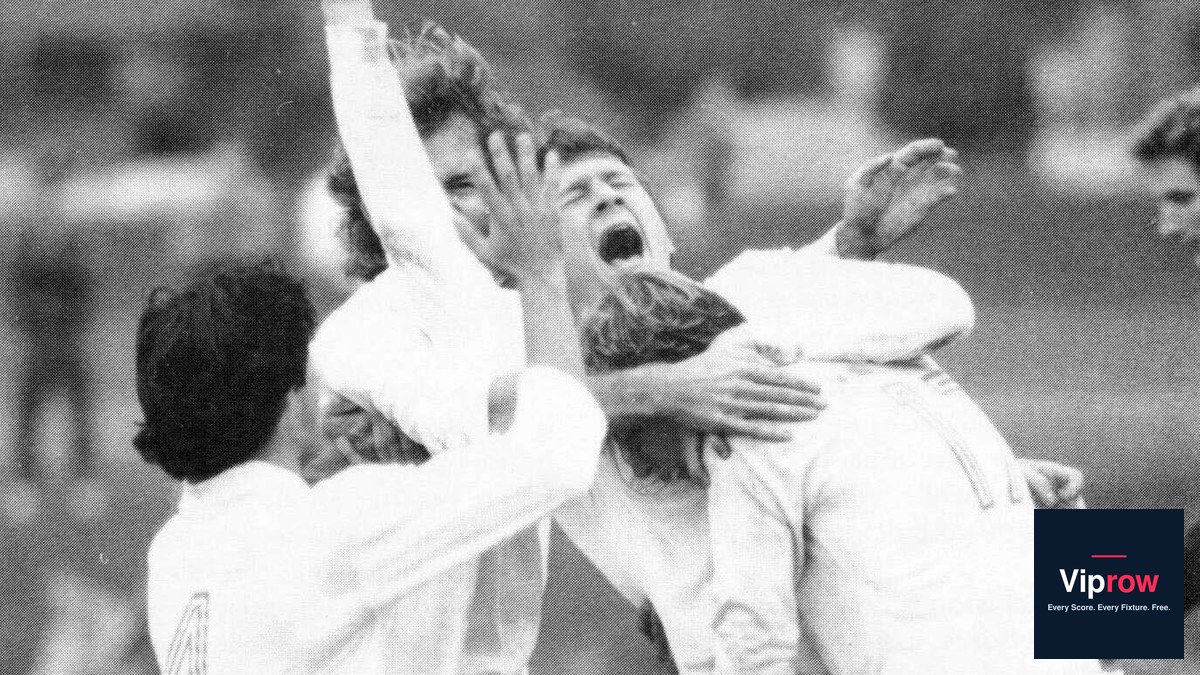
After a goal, the team that conceded the goal takes the next kick-off. So the team that has just fallen behind gets the ball and a fresh chance to attack. Also, the same rules apply as at the start of the match. However, there is no new coin toss. As a result, the teams restart quickly and simply. For example, the players return to their own halves, the opponents stand back 9.15 metres, and the referee signals again. The effect on the league table can be large over a season, and our guide to how the Premier League table works, points, goal difference and relegation explains how each goal changes points and places.
If the Taker Touches the Ball Twice
If the player who takes the kick-off touches the ball again before it has touched another player, the referee awards an indirect free kick to the opponents. So the taker cannot kick the ball and then dribble with it at once. Also, the opponents take the free kick from the place where the second touch happened. However, the rule changes if the second touch is a handball. As a result, the opponents get a stronger punishment in that case. In that case, the referee awards a direct free kick to the opponents. In short, the taker gets one touch at the kick-off, and then must wait for another player to touch the ball.
Handball After a Kick-Off
A handball by the taker before another player touches the ball leads to a direct free kick. Also, the opponents take the direct free kick from the place of the offence. So the opponents gain a better restart than they would from a normal second touch. However, the referee may also take further action if the handball stops a clear chance. As a result, the referee may show a card in serious cases. Fans can read our guide to how the football handball rule works for the full detail on deliberate and accidental handling.
Other Offences and Retakes
If any other offence takes place at a kick-off, the teams retake the kick-off. So a mistake in the setup does not lead to a free kick. Also, the retake gives both teams a clean start. For example, if an opponent stands too close and a player kicks the ball, the referee may order a retake. In contrast, if the ball did not sit still on the centre mark, the referee also orders a retake. So the referee checks the setup first and acts only if play has started wrongly. For example, the referee orders a retake for a kick-off from the wrong spot, and for a kick-off while an opponent stands inside the centre circle. It stops a team from gaining an edge through a small breach of the rules.
Dropped Balls Explained
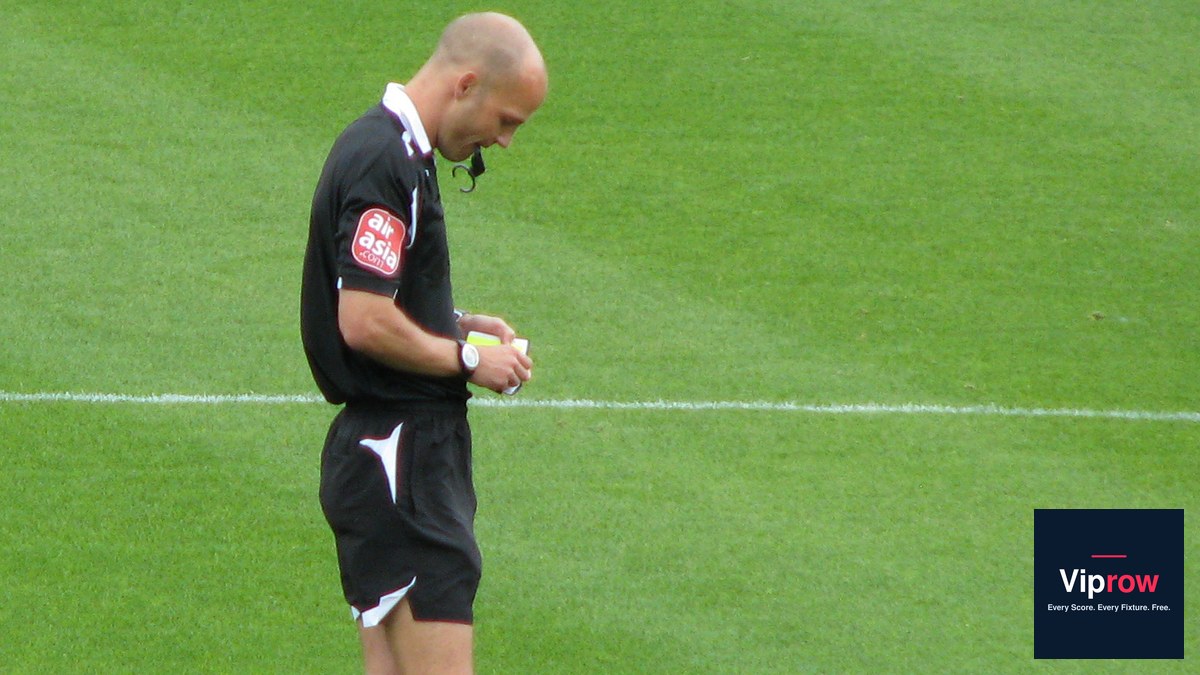
The referee uses a dropped ball as the restart when something stops play for a reason that no other restart covers. So it differs from a kick-off, a free kick, or a throw-in. Also, the referee drops the ball, and play restarts when the ball touches the ground. However, clear rules say who receives the dropped ball. As a result, the restart treats the team that had the ball fairly. If something stops play inside the penalty area, the referee drops the ball for the goalkeeper of the defending team. If something stops play outside the penalty area, the referee drops the ball for a player of the team that last touched it.
The Four-Metre Rule for Other Players
All other players of both teams must stay at least 4 metres from the ball until play starts. So only the player who will receive the dropped ball stands close. Also, the 4-metre gap gives that player room to control the ball. For example, an opponent who stands 2 metres away is too close and must move back. That is why the referee will not drop the ball until the gap is correct.
Scoring From a Dropped Ball
No player can score a goal direct from a dropped ball. Also, the ball must touch at least two players before a goal can count. So a player who kicks a dropped ball straight into the goal has not scored. As a result, the referee awards a goal kick if the ball enters the opponents’ goal, or a corner kick if it enters the kicker’s own goal. For that reason, the receiving player should pass or control the ball first. In short, the two-touch rule stops a team from scoring from a restart that should stay neutral.
Common Mistakes and Quick Answers
Many fans mix up the kick-off with other restarts. So it helps to clear up the common errors. Also, the rules look simple once you set them out. For example, some fans think a kick-off must go forward. In fact, the ball may go in any direction, including back. So a backward pass is fully legal. By contrast, some fans think the taker can touch the ball twice. Actually, a second touch gives away a free kick. In short, the kick-off works as a simple restart with strict edges, and fans should remember those edges.
What Fans Often Get Wrong
One common error is the idea that a player can score a goal direct into the kicker’s own goal from a kick-off. In fact, that gives a corner to the opponents, not a goal. Also, some fans think opponents can stand inside the centre circle. However, they must stay at least 9.15 metres away. As a result, the circle works as a real limit, not a guide. So the old contested drop ball has gone. In short, the kick-off and the dropped ball both follow clear rules under Law 8.