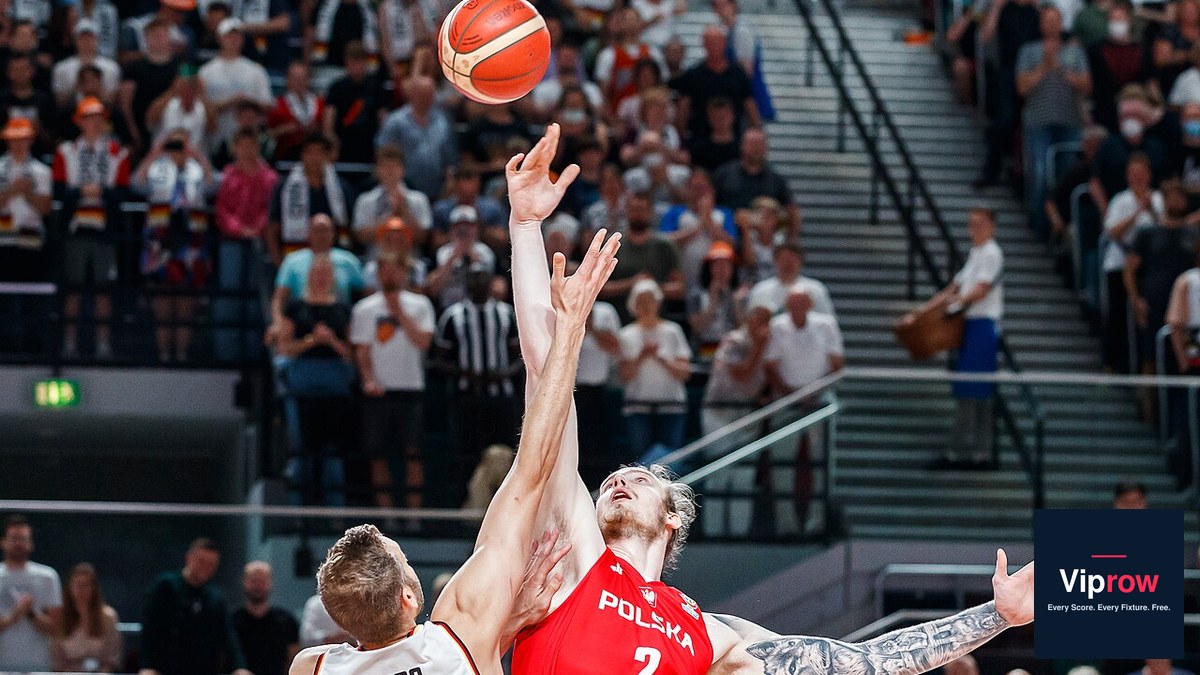
1. What NBA Overtime Is
NBA overtime is the extra period played when a game is tied at the end of regulation. Regulation in the NBA lasts 48 minutes, split into four quarters of 12 minutes each. If the two teams have the same score when the fourth quarter ends, the game is not over. Instead, the teams play overtime to find a winner.
Overtime is not a new game. It is a short extension of the same game, played under almost the same rules. The score carries over, the fouls carry over, and the players stay on the same court. Only a few rules change, and those changes are what make overtime so tense.
The most important fact is simple. An NBA game cannot end in a tie. The teams keep playing overtime periods until one team leads at the end of a period. The full official text sits in the official NBA rulebook.
2. When Overtime Starts
Overtime starts as soon as the fourth quarter ends with the score level. The buzzer sounds, the players walk to their benches, and the officials prepare for the extra period. There is no long wait. Play resumes after a break of two minutes and 30 seconds.
That short break matters more than it looks. Coaches use it to calm their players, pick a plan for the first possession, and check who is in foul trouble. Players use it to catch their breath after 48 hard minutes.
One detail often surprises new fans. The teams do not change baskets for overtime. Overtime counts as an extension of the second half, so each team keeps defending the same basket it defended in the fourth quarter.
3. How Long Overtime Lasts
Each overtime period lasts five minutes of game time. That is less than half of a normal quarter, yet it can feel much longer. Every possession matters, every free throw matters, and the clock stops often in the closing seconds.
If the score is still tied at the end of the first overtime, the teams play a second overtime. The same five-minute period repeats again and again until one team leads when the buzzer sounds. There is no limit on the number of overtime periods. A game can go to double overtime, triple overtime, or even further.
There is also no sudden death in NBA overtime. The first basket does not win the game. Both teams play the full five minutes, and the team with more points at the end of the period takes the win. That is a big difference from some other sports, where the next score ends the contest at once.
4. The Jump Ball That Starts Every Overtime
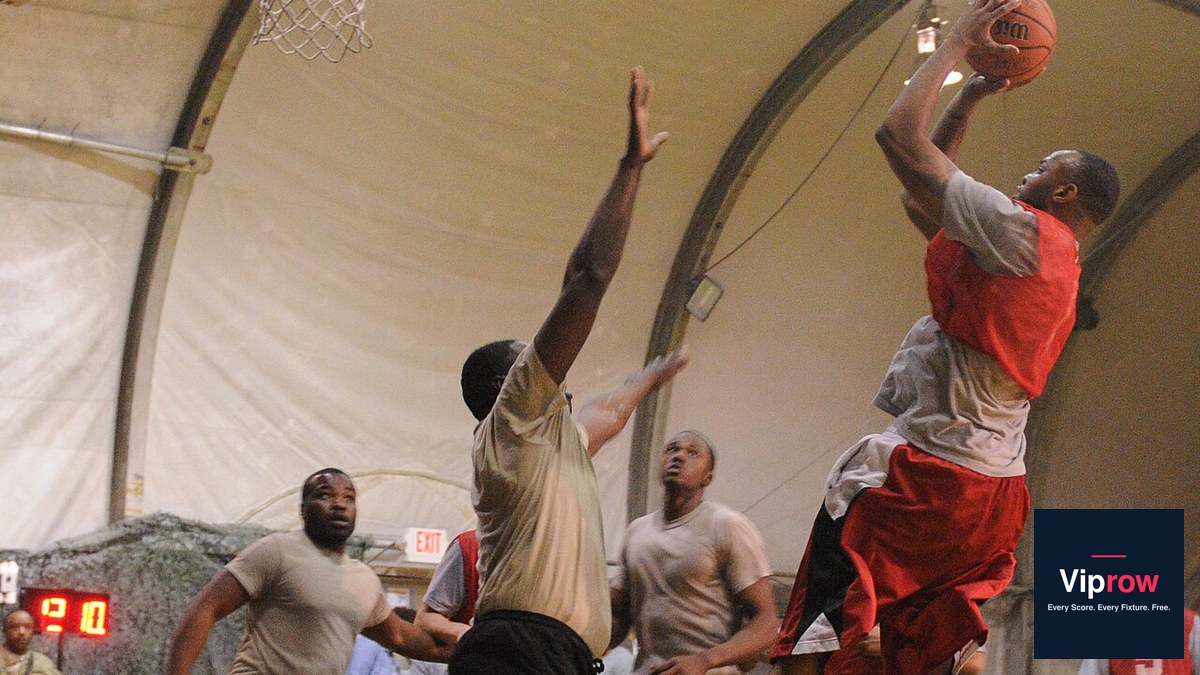
Every overtime period starts with a jump ball at centre court. The referee tosses the ball up between two players, one from each team, and the player who taps it best wins the first possession for their side. This is the same way the game itself starts.
That jump ball is a small detail with a real edge. In a five-minute period, the first possession is worth more than it is in a 12-minute quarter. A quick score can set the tone, while a stop can give the other team the early lead. Coaches often send their best jumper to centre court, even if that player is tired.
After the opening tip, normal play takes over. The 24-second shot clock still applies, so a team must shoot within 24 seconds of gaining the ball.
5. Timeouts in Overtime
Each team gets two timeouts per overtime period. Those timeouts are fresh. They do not carry over from regulation, and they do not stack up if a team saved some from the fourth quarter. A coach who spent every timeout in regulation still gets two new ones in overtime. A coach who saved timeouts does not get extra ones.
Two timeouts may sound like plenty for five minutes, but they go fast. Coaches use them to stop a run by the other team, to set up a final shot, or to rest a tired star for a short break.
Why two timeouts matter so much
The last minute of overtime can take a long time in real minutes. Fouls, free throws, reviews and timeouts all stop the clock.
How coaches save timeouts for the end
Smart coaches try to keep at least one timeout for the final minute. That timeout can also move the ball to the frontcourt for an inbound play, which saves precious seconds.
6. Personal Fouls Carry Over
Personal fouls do not reset in overtime. Every foul a player picked up in regulation stays on their total. In the NBA, a player fouls out after six personal fouls, and that limit does not change when overtime begins. A player who finished regulation with five fouls is one whistle away from leaving the game.
That rule shapes the whole period. A star player in foul trouble must defend with care. One careless reach can end their night.
Foul trouble also changes how a team defends. Our guide to how NBA fouls work explains the foul rules in detail. And our guide to how NBA defence works shows how teams adjust when a player is at risk.
7. Team Fouls Reset in Overtime
Team fouls work differently from personal fouls. Each overtime period starts with a clean team foul count. The fouls a team gave away in the fourth quarter do not carry into overtime for the purpose of the bonus. This is one of the few fresh starts that overtime offers.
The rule is simple once you know it. The first three common fouls a team commits in an overtime period do not give free throws to the other team. Instead, the other team takes the ball out of bounds at the sideline nearest to where play stopped. The fourth team foul, and every foul after it, puts the other team in the bonus for free throws.
The three-foul rule in plain words
Think of it as three free fouls per overtime. A team can foul three times without giving away free throws.
The last-two-minutes exception
There is one extra twist in the final two minutes. If a team has not used its quota of three team fouls in the first three minutes of overtime, it may commit one team foul in the last two minutes without penalty. A second foul in that closing stretch gives free throws. This rule stops teams from fouling on purpose to kill the clock without cost.
8. The Shot Clock and the Game Clock in Overtime
The shot clock works the same in overtime as it does in regulation. Each team has 24 seconds to attempt a shot after gaining possession. If the shot clock runs out, the other team gets the ball. The pace of the game does not slow down just because the period is shorter.
The game clock has one special rule. In the last two minutes of overtime, the clock stops after a made basket. That pause lets the trailing team set its defence and gives the broadcast time to show a replay. It also means the final minute can stretch out, with several stoppages in a short span of game time.
Free throws also matter more in overtime. With the bonus arriving after only three team fouls, a team that drives to the basket can earn free throws quickly. Our guide to how NBA shooting works explains jump shots, free throws and three-pointers in full.
9. The Last Two Minutes of Overtime
No part of an NBA game draws more eyes than the last two minutes of overtime. The rules tighten, the reviews increase, and every call gets a second look. Coaches can challenge certain calls, and officials can start a review of their own for key plays.
Goaltending and basket interference calls can be reviewed in the last two minutes, but only if the officials start the review. A coach cannot force a review of those calls in that stretch.
The advance rule also comes into play. A team that calls a timeout in the last two minutes can move the inbound pass to the frontcourt. That saves the team from wasting seconds bringing the ball up the court.
10. Regular Season vs Playoff Overtime
The overtime rules are exactly the same in the regular season and the playoffs. The period is five minutes, the jump ball starts it, each team gets two timeouts, team fouls reset, and personal fouls carry over. Nothing in the format changes when the stakes rise.
What changes is the feel of the game. Playoff overtime is slower, harder and more careful. Coaches use their timeouts with more care, players defend with more force, and every possession gets more attention. The crowd is louder, the pressure is heavier, and a single mistake can end a season.
That is why playoff overtime games stay in the memory for years. If you want the full picture of how teams reach that stage, read our guide to how the NBA playoffs work. It covers the play-in, the seeds and the Finals in plain English.
11. How Coaches Plan for Overtime
Coaches start planning for overtime long before it begins. They watch the foul count, they manage minutes, and they think about which five players should finish the game. A good overtime plan starts in the fourth quarter, not when the buzzer sounds.
The first choice is the starting five for overtime. Coaches want their best scorers, their best defenders and their best free throw shooters on the floor together. They also want a player who can win the opening jump ball. That mix is hard to get right when one or two stars are in foul trouble.
The first possession sets the tone
Winning the jump ball gives a team the first chance to score. Coaches often run a set play on that first possession, to get a clean look and calm the team down.
Who stays on the floor
Foul trouble decides many overtime line-ups. A player with five fouls may stay on the floor for attack but sit out on defence, or the coach may trust them to play clean. Rebounding also grows in value, because a missed shot in overtime often means a lost game. Our guide to how NBA rebounding works explains why second chances matter so much in a short period.
12. The Longest Overtime Games in NBA History
Most overtime games end after one extra period. Two overtimes are rare, three are very rare, and anything beyond that is a piece of history. The longer a game runs, the more tired the players get, and the more the foul count bites.
The longest game in NBA history went to six overtimes. On 6 January 1951, the Indianapolis Olympians beat the Rochester Royals 75-73 after six extra periods.
Four-overtime games have happened a few times since then, and each one is remembered by fans. Those games show why overtime is so loved. It keeps going until someone wins, no matter how long it takes.
13. Common Mistakes Fans Make About NBA Overtime
Many fans get overtime wrong, because the rules look simple but hide a few traps. The first mistake is thinking the first basket wins. It does not. Overtime is a full five-minute period, and the team ahead at the end of the period wins. A quick score helps, but it never ends the game on its own.
The second mistake is thinking timeouts carry over from regulation. They do not. Each team starts overtime with two fresh timeouts, no matter how many they had left at the end of the fourth quarter. A coach cannot save up timeouts for a long overtime run.
The third mistake is thinking all fouls reset. Only team fouls reset. Personal fouls carry over, and a player with five fouls can still foul out in overtime. That is why a star in foul trouble plays so carefully in the extra period.
The final mistake is thinking a game can end in a tie. It cannot. The NBA has no draws. If the score is level after one overtime, the teams play another, and another, until a winner stands alone. That is the whole point of overtime, and it is why fans stay in their seats when the clock hits zero.
1 thought on “How NBA Overtime Works”