How NFL Punting Works
1. What NFL Punting Is
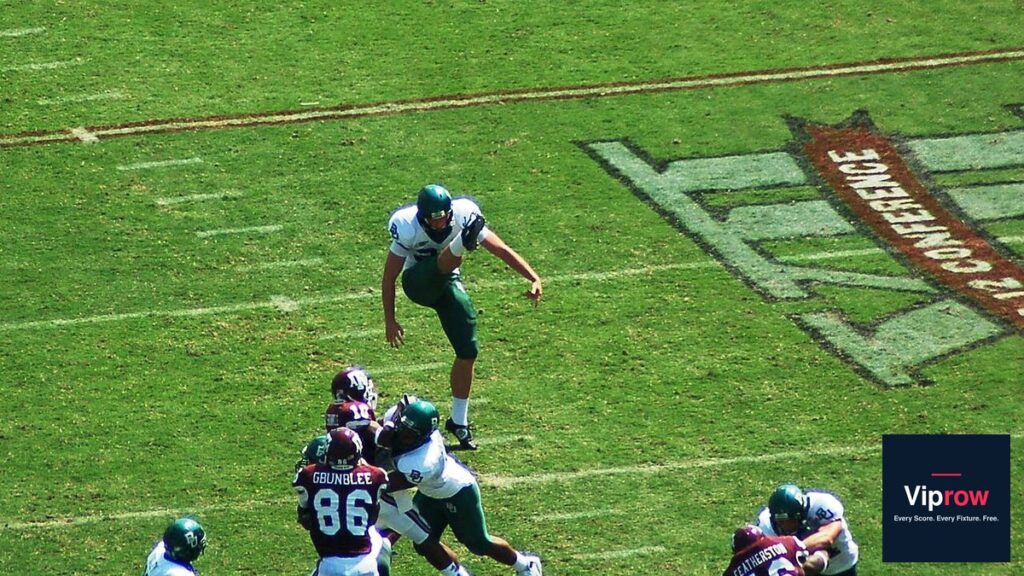
NFL punting is the kick that sends the ball deep down the field when a team gives up its turn with the ball. The punter drops the ball from his hands and kicks it before it hits the ground. Then the other team takes over. In short, a punt trades possession for field position.
Most punts happen on fourth down, when a team gets four downs to gain ten yards and fails on the first three. The team can try for the first down, try a field goal, or punt the ball away. Punting is the safe choice when the team is too far from the end zone for a field goal. Our guide to how NFL field goals work explains that other choice in full.
A kickoff starts a half or follows a score, while a punt ends a failed drive. The full rules are published by NFL Football Operations.
2. Why Teams Punt on Fourth Down
Teams punt because field position matters so much in the NFL. A team that starts near its own end zone faces a long road to score. A team that starts near midfield needs far fewer plays to reach scoring range. So a punt pushes the other team back and makes its job harder.
Think about the choice on fourth down. If a team tries for a first down and fails, the other team takes over at that same spot. A punt avoids that risk. It gives the ball away, but it gives it away far down the field.
Near midfield, some coaches take a chance and go for it. Deep in their own half, almost every coach punts, because a 45-yard punt moves the other team 45 yards away from scoring.
3. The Punt Team: Punter, Long Snapper and Protection
The punter
The punter is a specialist who stands about 15 yards behind the line of scrimmage. He must catch the snap, take two short steps, drop the ball flat, and strike it with power and control. A good punter can send the ball 50 yards with more than four seconds of hang time.
The long snapper
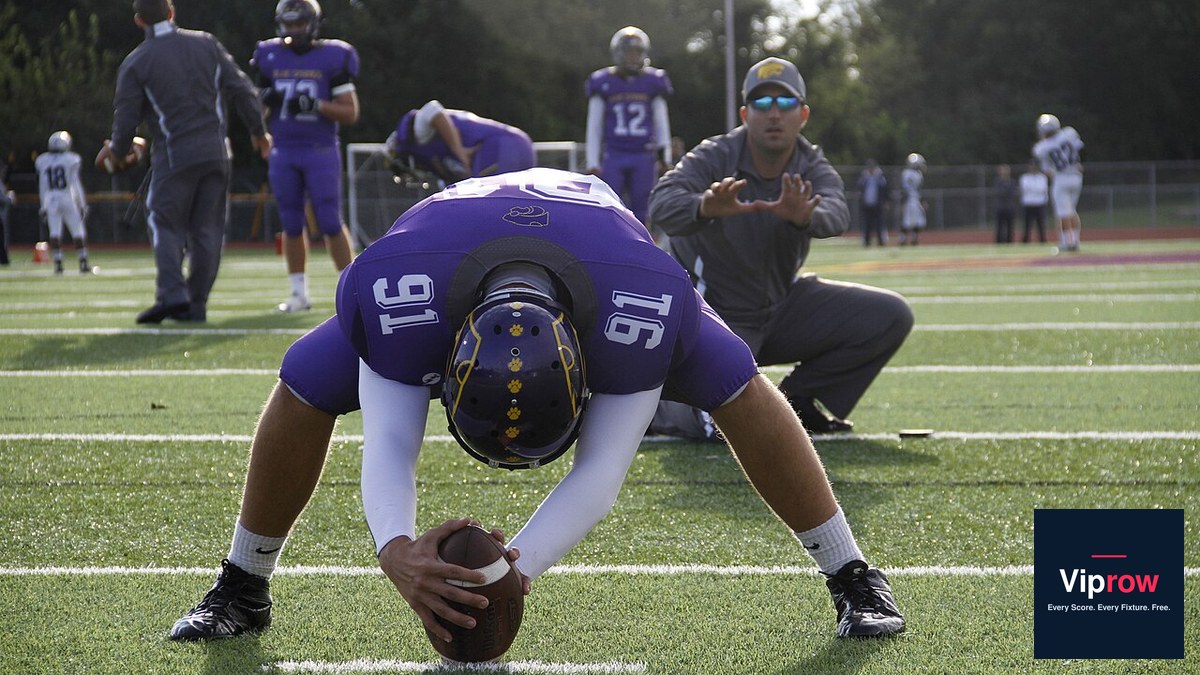
The long snapper starts the play. He crouches over the ball and snaps it back between his legs, straight to the punter 15 yards away. The snap must be fast, flat and accurate. A high snap or a low snap costs the punter time and can lead to a block.
The protection unit
Eight more players form a wall in front of the punter. Their job is to block the rush and buy the punter about two seconds. If one defender breaks through, the punt can be blocked.
4. The Snap, the Drop and the Kick
The punt starts with the long snap. Everything after that happens in about two seconds. Timing is the key to the whole play, and each step must flow into the next without a pause.
First, the long snapper fires the ball back to the punter. The punter catches it, takes two quick steps, and lets go of the ball in front of him. The drop must be flat and steady, with the nose pointing slightly up. If the ball tumbles, the kick will wobble and lose distance.
Next, the punter swings his leg through the ball just before it reaches the ground. He strikes it with the top of his foot, not the toe, and the contact sends the ball up in a high spiral. Then he follows through, because a bad snap or a block can turn him into a runner in an instant.
5. What Happens After the Ball Is Kicked
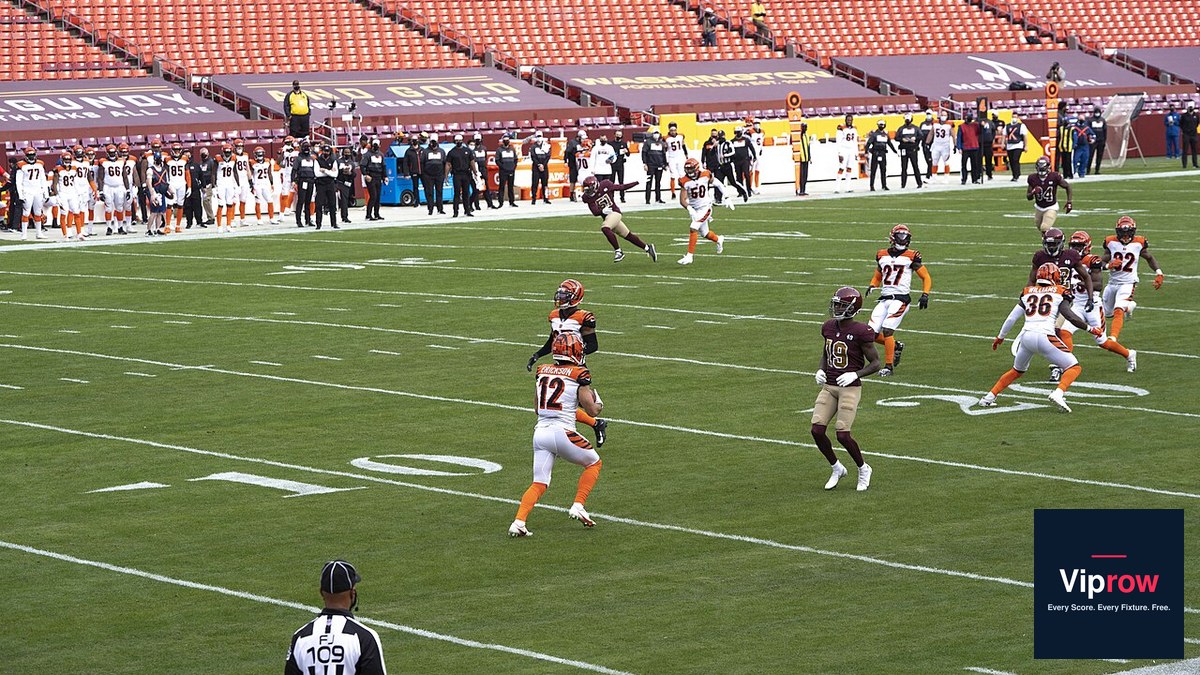
Once the ball leaves the punter’s foot, the coverage team sprints down the field to tackle the returner, while the return team sets up blocks to open a lane.
The ball usually travels 40 to 50 yards in the air. While it flies, the coverage players spread out in lanes and keep the returner in front of them. If one runs past the returner, he leaves a gap behind him, and that gap is where big returns happen.
Down the field, the punt returner waits to catch the ball. He judges its flight, moves under it, and decides what to do next. He can catch it and run, call for a fair catch, or let it bounce and roll. His choice shapes the rest of the play.
6. The Fair Catch
A fair catch is the safe option for the returner. He waves one arm fully above his helmet, from side to side, while the ball is in the air. Once he catches it, the ball is dead at the spot of the catch, and his team starts its drive there.
Returners call for a fair catch. First, it protects them from a hard hit the moment the ball touches their hands. Second, it stops the ball from rolling 20 yards further and pinning the team deep.
For the signal to count, one arm goes fully above the helmet and waves from side to side. An unclear signal can cost the team five yards.
Kick-catch interference
The kicking team must give the returner a fair chance to catch the ball. Defenders cannot hit him, push him, or block his path while the ball is in the air. If they do, the officials flag kick-catch interference: 15 yards from the spot of the foul. This rule applies even if the returner never signalled for a fair catch.
7. The Punt Return
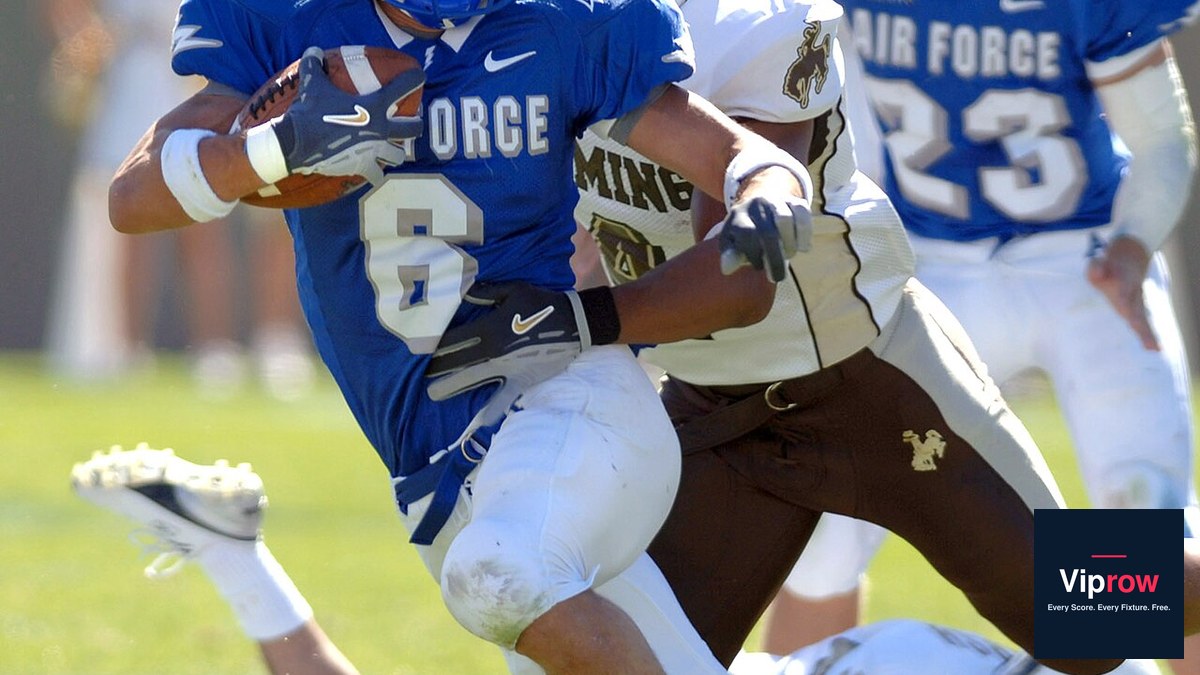
The returner catches the ball and runs it back toward the punting team’s end zone. A good return can gain 20 yards or more, and a great return can reach the end zone for a touchdown.
Returners need speed, vision and courage. They catch a ball dropping from high in the air while defenders sprint at them. Then they must pick a lane, dodge tacklers and follow their blockers. If the wall of blockers holds, the returner can break into open space.
Big returns are rare, and the odds favour the coverage team. Most returns gain only a few yards, because the coverage players arrive so fast. That is why hang time matters. A punt that stays in the air for four seconds gives the coverage team time to reach the returner, while a low, flat punt gives the returner room to run.
8. Touchbacks and Punts Out of Bounds
Not every punt ends with a catch or a return. Some fly into the end zone, and some sail out of bounds.
The touchback
A touchback happens when a punt enters the receiving team’s end zone and the ball becomes dead there. The receiving team may catch it and kneel, or let it bounce and roll dead. Either way, it takes over at its own 20-yard line, and the punting team loses 20 yards from its net punting total.
Punts out of bounds
A punt that goes out of bounds between the goal lines gives the receiving team the ball at the spot where it crossed the sideline. No return is possible. Punters often aim for the sideline on purpose, because a punt out of bounds near the goal line is a safe result. The ball cannot be returned, and it cannot roll into the end zone either.
9. Downing a Punt at the 1-Yard Line and the Coffin Corner
The best punt in football is the one downed at the 1-yard line, leaving the other team 99 yards from the end zone.
To down a punt, a coverage player must touch the ball after it crosses the line of scrimmage and stop it before it reaches the end zone. He may catch it, bat it back, or fall on it. If he touches it near the goal line, the officials mark it at that spot.
The coffin corner is the nickname for this skill. A coffin-corner punt aims for the corner of the field, close to the sideline and close to the goal line. The punter kicks the ball high toward the corner, so it drops out of bounds near the 5-yard line. The sideline acts as an extra defender, because the ball cannot roll far once it crosses the line.
10. Blocked Punts and Muffed Punts
A blocked punt is one of the biggest momentum swings in football. A defender breaks through the protection and gets a hand on the ball as the punter kicks it. What happens next depends on where the ball goes.
If the blocked punt never crosses the line of scrimmage, the ball is live and either team can recover it and advance it. If it crosses the line and the receiving team touches it, the kicking team can then recover it too.
A blocked punt that goes out of the punting team’s own end zone is a safety, worth two points to the other team. One recovered in the end zone by the receiving team is a touchdown. So a block can turn a routine punt into points in seconds.
A muffed punt is different. It happens when the returner touches the ball but fails to catch it. The ball is live, and either team can recover it. If the kicking team recovers, it takes over at that spot.
11. Roughing the Punter and Running Into the Punter
The punter is a protected player while he kicks. Defenders may try to block the punt, but they must not hit the punter after the kick. The penalty depends on how hard the contact is.
Roughing the punter
Roughing the punter is the serious foul. It is called when a defender makes heavy contact with the punter, often while the punter’s kicking leg is still in the air. The penalty is 15 yards and an automatic first down, so the punting team keeps the ball.
Running into the punter
Running into the punter is the lighter foul. It is called when the contact is slight, or when the punter has both feet back on the ground. The penalty is five yards, with no automatic first down. If the five yards are not enough for a first down, the punting team can decline the penalty. The referee judges the force of the hit and the position of the punter’s legs.
12. Fake Punts and Other Surprises
Most punts are routine, but some are not. A fake punt is a trick play where the punting team pretends to kick and then runs or passes instead. Fake punts are rare and risky. If the trick fails, the other team takes over in great field position.
Other surprises can happen on any punt. A punt can hit a player on the return team and bounce free, which makes it a live ball. A strong wind can push the ball sideways, and rain can make it slippery and hard to catch. These moments remind fans that special teams play is never fully safe, even when it looks routine.
Teams prepare for these surprises in practice. The coverage unit rehearses lane discipline, and the return unit rehearses blocking and ball security. When a surprise works, it can change a game. When it fails, it can end a season.
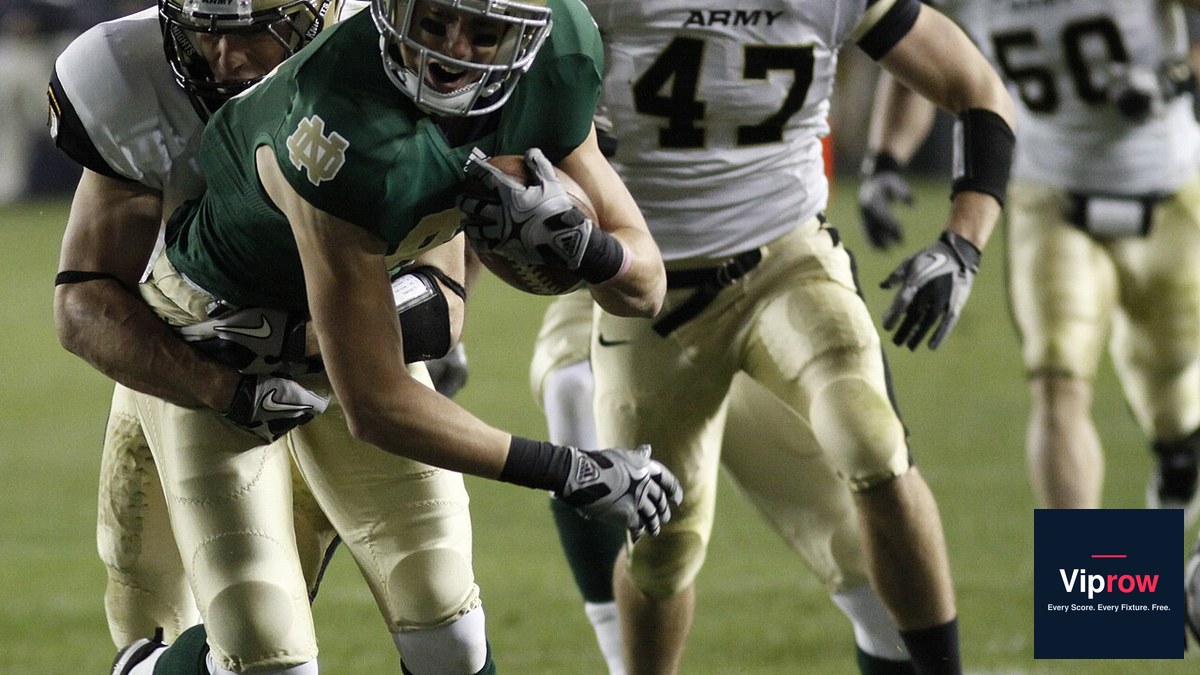
13. Common Mistakes, Key Numbers and What to Watch Next
New fans often mix up punts with kickoffs. A punt ends a drive on fourth down, while a kickoff starts a half or follows a score. Our guide to how NFL kickoffs work covers the kickoff in full.
The key numbers are easy to remember. A good NFL punt travels about 45 to 50 yards, with around four seconds of hang time. A touchback gives the other team the ball at its own 20-yard line. Roughing the punter costs 15 yards and a first down, while running into the punter costs only five yards. Net punting yardage takes the gross distance and subtracts return yards and 20 yards for each touchback.
Watch the punt on your next game with fresh eyes. Look at the long snap first, then the punter’s drop, then the hang time. Our guide to how NFL two-point conversions work shows another bold fourth-down choice, while our guide to how NFL overtime works explains what happens when the game is tied late. Our guide to how the NFL playoffs work shows how field position wins games in January. The punt may look routine, but it shapes field position on almost every drive, so watch it closely.