How NFL Kickoffs Work: Rules, Touchbacks, Onside Kicks and Returns Explained

An NFL kickoff starts play after a score and at the start of each half. This guide explains the NFL kickoff in plain words. You will learn the new dynamic kickoff, the landing zone, and the touchback rules. If you want the full picture of the sport first, read How the NFL Works: 32 Teams, 17 Games and the Road to the Super Bowl. You can check the official rules in the NFL rulebook.
What Is an NFL Kickoff?
An NFL kickoff is a free kick that starts a drive. The kicking team kicks the ball from its own 35-yard line. The receiving team catches the ball and tries to advance it up the field. As a result, the kickoff decides where the next drive begins.
The kickoff is not a scoring play by itself. No points are scored for a good kick. However, the return can score. If the returner runs the ball into the other end zone, his team scores a touchdown. So both teams treat the kickoff as a real play, not a break between drives.
When Does an NFL Kickoff Happen?
A kickoff happens at the start of each half. It also happens after every score. That means a touchdown, a field goal, or a safety all lead to a kickoff. In short, every score hands the ball back through a kickoff.
The kickoff also follows a safety, but that kick works in a different way. After a safety, the team that gave up the safety must kick the ball away. That kick is called a free kick, and it can be a punt or a placekick. A score means a kickoff follows, and the team that just scored kicks the ball away.
The Kickoff Formation: Who Lines Up Where?
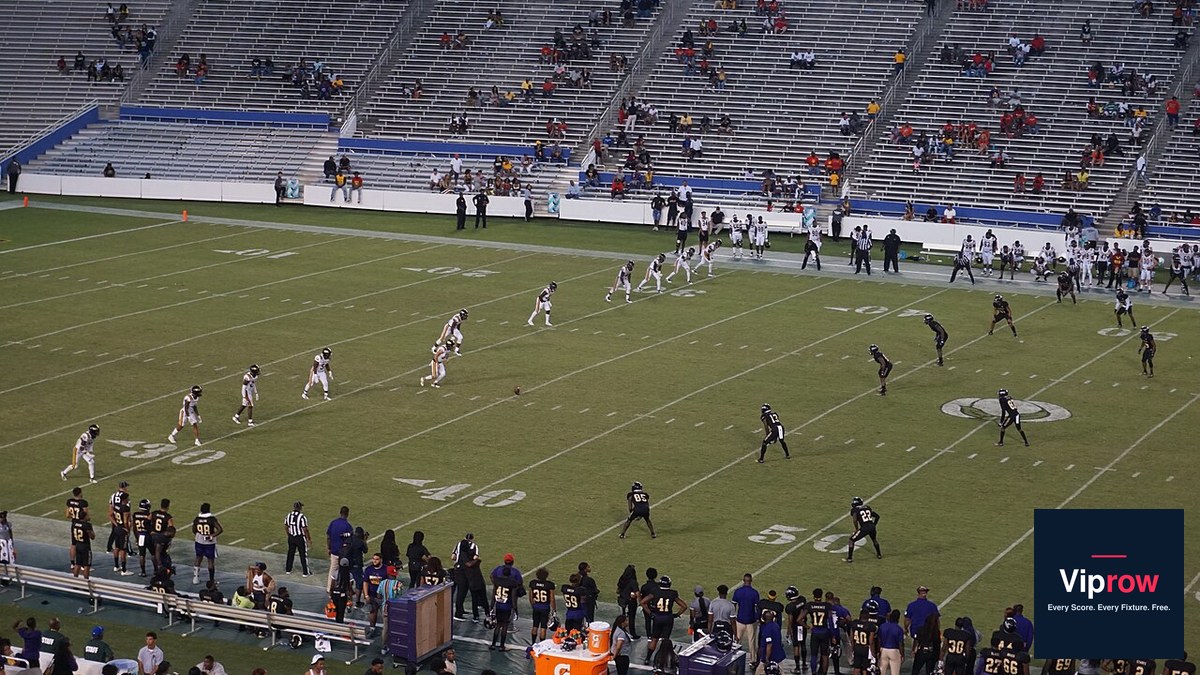
The kicker stands alone at his own 35-yard line. Under the current rules, his ten teammates do not line up behind him. Instead, they line up at the receiving team’s 40-yard line. As a result, the two teams start only five yards apart.
The receiving team lines up in two groups. At least nine players stand in a setup zone between their own 30- and 35-yard lines. Up to two returners wait deep, behind their own 20-yard line. No one except the kicker and the returners may move until the ball lands or is touched in the landing zone. Players now meet at much lower speed, and the play looks more like a normal play from scrimmage.
The Dynamic NFL Kickoff Explained
The NFL changed the kickoff in 2024. The league brought in the dynamic kickoff for one season as a trial. Then, in 2025, the owners made the new format permanent. The league wanted more kickoff returns and fewer high-speed collisions.
Under the new setup, the teams line up close together. The kicking team stands at the receiving team’s 40-yard line. The receiving team’s blockers stand in the setup zone. Nobody except the kicker and the returners may move until the ball lands or is touched. As a result, players no longer sprint 40 yards before they collide. The return rate rose sharply in the first season under the new rules.
Why the League Changed the Kickoff
The old kickoff had two problems. First, touchbacks had made it dull. Kickers booted the ball through the end zone, and the return never happened. Second, the long running start caused hard hits. Players built up full speed before they met. In short, the dynamic kickoff tries to keep the return alive while it makes the hit safer.
The Landing Zone and What Happens There
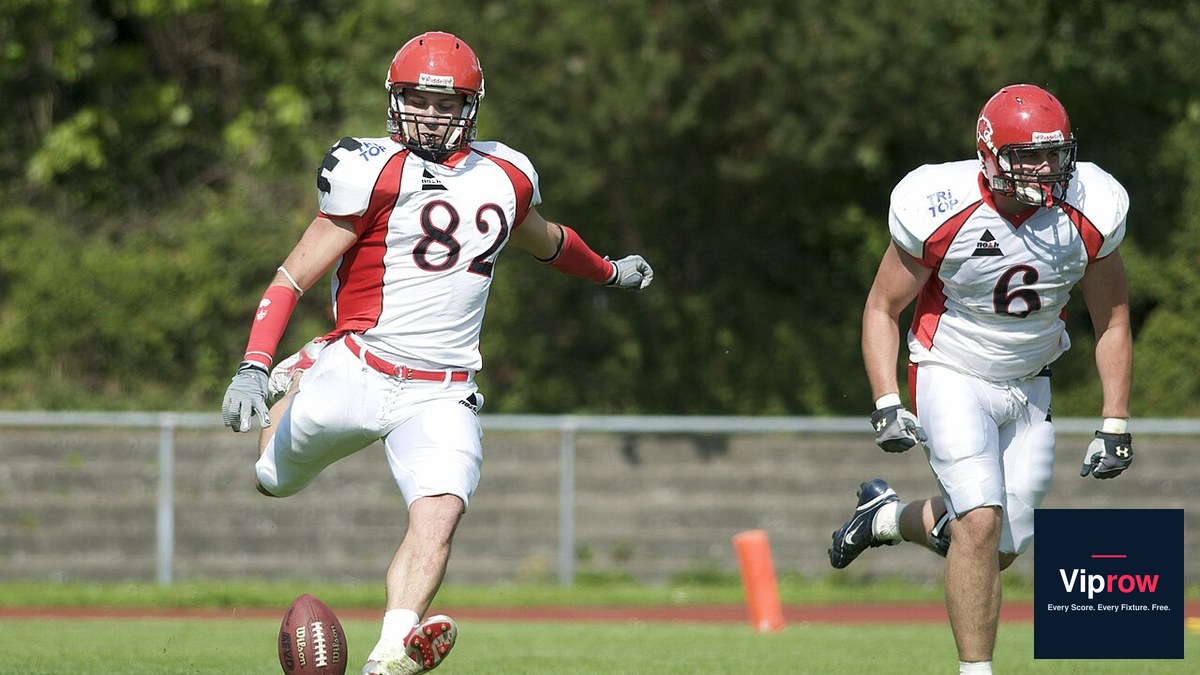
The landing zone is the area between the receiving team’s goal line and its 20-yard line. Where the ball first lands in this zone decides almost everything. If the ball lands in the landing zone, it is live and must be returned. The returner cannot just let it roll.
If the ball lands in the landing zone and then rolls into the end zone, the returner can still down it. In that case, the result is a touchback, and the ball comes out to the 20-yard line. However, if the ball reaches the end zone in the air, the touchback spot is further up the field. Kickers now aim to land the ball in the zone, not to blast it through the end zone.
Touchbacks: What They Are and Where the Ball Goes
A touchback happens when a kickoff reaches the end zone and the receiving team does not return it. That spot depends on how the ball got there.
When the ball is kicked into the end zone in the air and then downed, the touchback now comes out to the 35-yard line. This changed in 2025. In the first year of the dynamic kickoff, in 2024, that spot was the 30-yard line. The league moved it five yards further upfield to make deep touchbacks cost more. In contrast, a ball that lands in the landing zone first and then rolls into the end zone gives a touchback at the 20-yard line. A deep kick gives the other team the ball at the 35. A short kick risks a long return. That trade-off is the heart of the new kickoff.
Fair Catches on Kickoffs
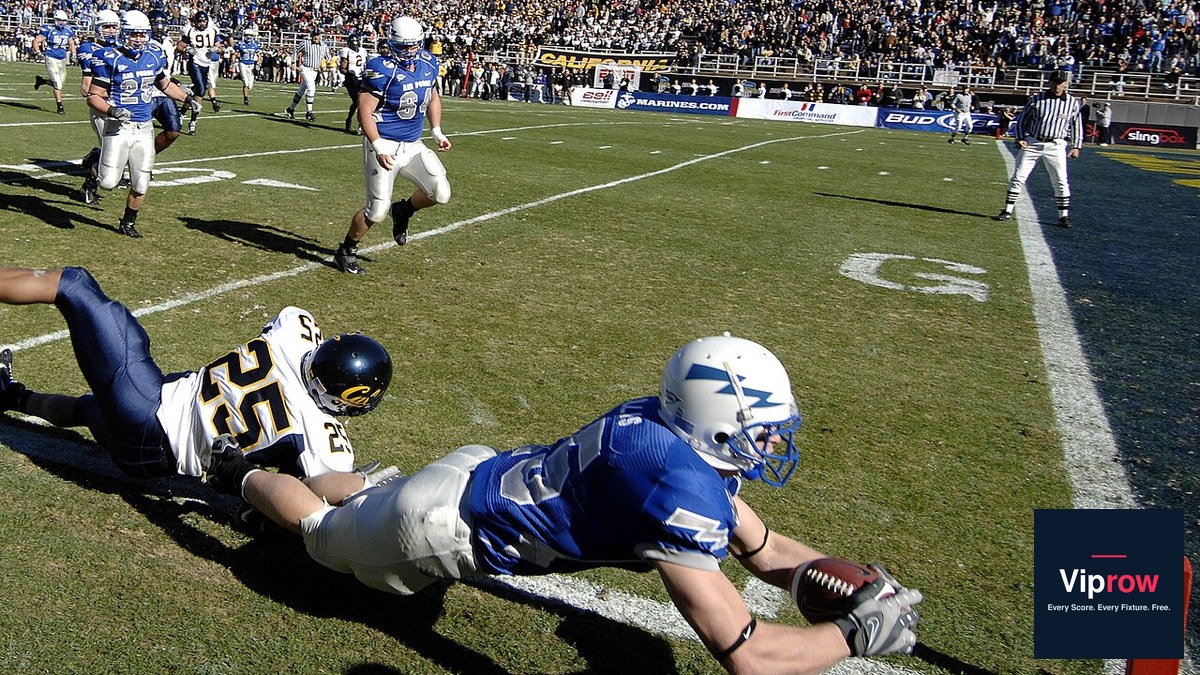
A fair catch is a signal by the returner. He waves one arm above his head before he catches the ball. That signal means he will not run with it, and the other team may not hit him. The receiving team’s offence then takes over there.
Under the current dynamic kickoff rules, a fair catch is no longer allowed on a kick that lands in the landing zone. The ball must be returned. However, a fair catch can still happen on a kick that reaches the end zone in the air. In that case, the returner can catch it and take the touchback. Before 2024, a fair catch inside the 25-yard line gave the receiving team the ball at the 25.
Kickoff Returns: How the Receiving Team Runs It Back
A kickoff return starts the moment the returner catches the ball. He looks upfield for a gap. The coverage players chase him down. If he finds space, he can gain strong field position. As a result, a good return can flip a game in seconds.
The returner must make fast choices. He decides in a split second whether to run straight, cut to the side, or slow down and wait for a block. He must also protect the ball. A fumble on a return hands the ball to the other team at once. Coaches pick returners for speed, vision, and safe hands. The best returners mix both skills, and they practise catching high kicks under pressure every week.
Blocking and Lanes on a Return
A return works only when the blockers do their job. Each blocker takes a coverage player and seals him off. The returner then runs through the gap they create. If one block fails, the lane closes fast. If two blocks fail, the returner is caught deep in his own half. Good blocking turns a short kick into a strong return. Poor blocking turns the same kick into a tackle at the 20-yard line.
Onside Kicks: How Teams Try to Keep the Ball
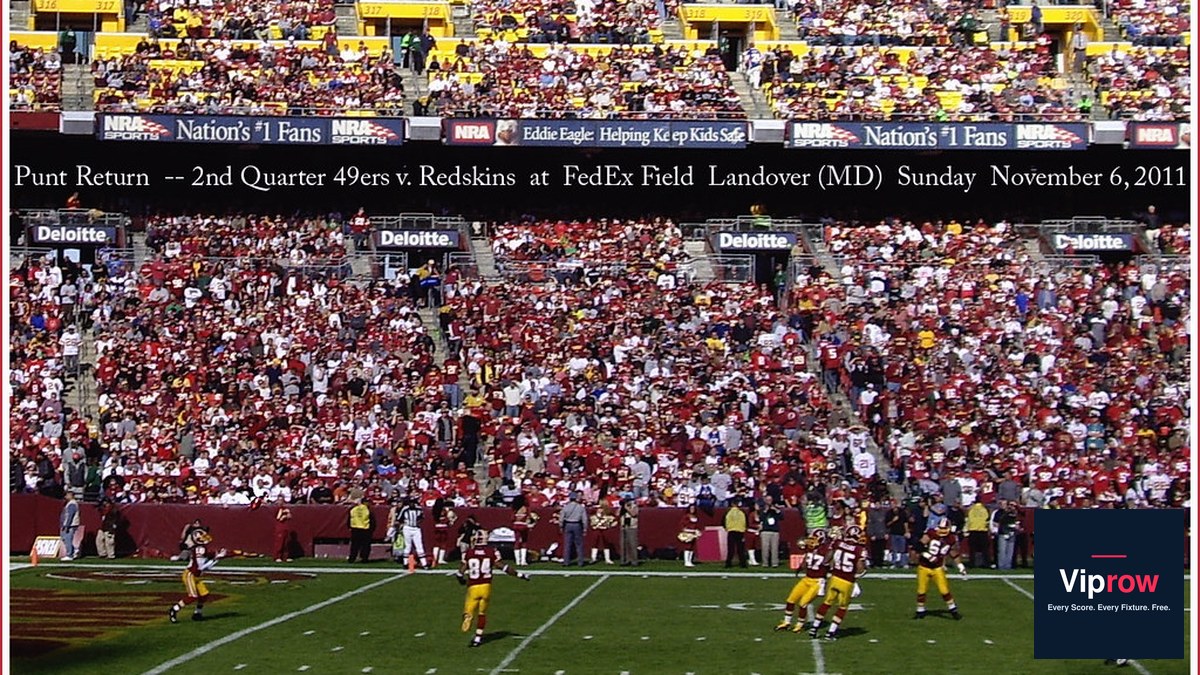
An onside kick is a short kickoff that the kicking team tries to recover itself. The ball must travel at least 10 yards before the kicking team can touch it. If the kicking team touches it sooner, the receiving team gets the ball at that spot. As a result, the onside kick is a gamble.
Under the current rules, the kicking team must declare an onside kick in advance. So the surprise onside kick no longer exists. The kicking team lines up in the old way, with the kicker at his own 35 and players on each side of him. In 2024, only a trailing team could try an onside kick, and only in the fourth quarter. In 2025, the league dropped the fourth-quarter limit. A trailing team can now declare an onside kick at any point in the game. A team that is tied or ahead still cannot try one.
When an Onside Kick Makes Sense
Coaches try an onside kick when they trail late and need the ball back fast. A team that is down by one score with little time left has little to lose. If the kick works, the team keeps the ball and gets another chance to score. The odds are low, so coaches save it for desperate moments.
Kickoffs Out of Bounds and Other Penalties
A kickoff that goes out of bounds without being touched is a penalty. The receiving team then gets the ball at its own 40-yard line in most cases. As a result, kickers aim for the middle of the field or the landing zone, not the sideline.
A kick that lands short of the landing zone is treated in a similar way. The receiving team gets the ball at its own 40-yard line. Other kickoff penalties are common too. If a kicking team player moves before the ball lands, the officials flag it. If a player lines up offside, the kick must be retaken or the penalty is enforced.
Safety Kicks and Free Kicks After a Safety
A safety happens when the offence is tackled in its own end zone or commits a foul there. The other team scores two points. Then the team that gave up the safety must kick the ball away. This kick is called a free kick.
The kicking team can punt the ball or placekick it from a tee. The receiving team catches it and returns it like a normal kickoff. However, the free kick can also score. If the ball goes through the goalposts, the kicking team scores a field goal. In most cases, the team punts the ball deep and tries to pin the other team back.
How Coaches Use Kickoffs as Strategy
Coaches treat the kickoff as a field position weapon. A deep kick that lands in the end zone gives the other team the ball at the 35. A kick that lands in the landing zone forces a return, and the coverage team can tackle the returner deep. So coaches weigh the risk each time. They study the other team’s returner on film.
They also track how far each kicker drives the ball, since a kicker who lands the ball in the landing zone again and again gives the coverage team its best chance. Weather shapes the call too. Wind can push a kick short or wide. Rain can make the ball hard to catch. Cold can make it hard to kick far. In a dome, the kick flies true, and coaches trust the plan. On a windy day, they may ask for a lower kick that stays in play. Special teams coaches also plan for the onside kick.
Common Kickoff Mistakes Fans Ask About
Fans often ask why a returner does not run every kick out of the end zone. The answer is field position. If he runs it out and is tackled at the 18-yard line, his team starts worse off than a touchback at the 35. So smart returners take the touchback when the kick is deep.
Fans also ask why the kicking team cannot recover its own deep kick. The answer is the 10-yard rule. The kicking team cannot touch the ball until it has travelled 10 yards or the receiving team has touched it first. Finally, fans ask why kickoffs look so different now. The answer is the dynamic kickoff.
If you want to see how a close game can end after a late kickoff, read How NFL Overtime Works: Possession Rules, Ties and Playoff Changes Explained. To see how a field goal after a kickoff return changes a game, read How NFL Field Goals Work: Kicks, Extra Points and Two-Point Conversions Explained. And if you want to know how teams reach the biggest games of the year, read How the NFL Playoffs Work: Seeds, Wild Card and the Road to the Super Bowl. Finally, if you want to see how teams are built for these moments, read How the NFL Draft Works: Picks, Rounds and Trades Explained.