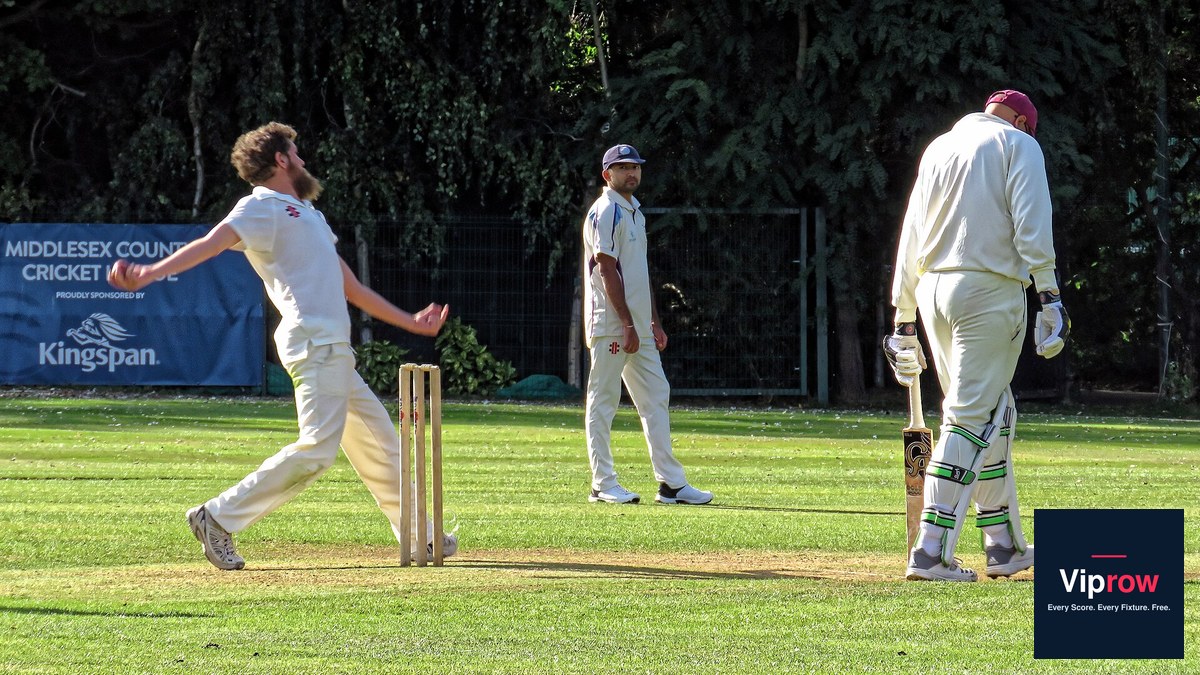
A cricket no-ball can change a match in one second. One wrong step gives the batting side a free run, and in white-ball cricket it also hands the batter a free hit. Fans cheer or groan at the call, yet many do not know the rules behind it. This guide explains them plainly.
A cricket no-ball is an illegal delivery, and the rules sit in Law 21 of the MCC Laws of Cricket. The call gives the batting side one penalty run, and the ball must be bowled again. The free hit is different: it is not a Law, but a playing condition for limited-overs matches.
What Is a Cricket No-Ball?
A cricket no-ball is any delivery that breaks the rules of fair bowling. Most often the front foot lands past the popping crease. Yet the foot is only one fault. The arm, the ball’s height, or a fielder in the wrong place can also cause one.
The call matters for three reasons. First, the batting side gains one run at once. Second, the ball does not count in the over, so the bowler bowls again. Third, the batter gains protection, because most ways of getting out do not apply off a no-ball.
The Front-Foot Cricket No-Ball
The front-foot fault is the cricket no-ball fans see most often. In the delivery stride, some part of the front foot, grounded or raised, must land behind the popping crease. If any part lands on or past the line, the umpire calls a no-ball.
The back foot must land inside the return crease without touching it. The front foot must also land on the same side of the middle-stump line as the return crease. Fast bowlers run in hard, so this fault is common at every level.
How Umpires Judge the Front Foot
In televised matches, the TV umpire checks the front foot whenever a wicket falls. Cameras watch the crease from the side. If the foot was over the line, the wicket is wiped out. Read more in our guide to how cricket umpiring works, with decisions, DRS and the third umpire.
Other Ways a Cricket No-Ball Happens
Feet are not the only cause. Law 21 lists other faults, each bringing the same call and one-run penalty. They are rare, yet it helps to know them.
A Change of Style Without Warning
Before each delivery, the bowler must tell the umpire if they will bowl right- or left-handed, and over or round the wicket. The umpire then tells the batter. A change of arm or angle without warning is a no-ball, though the change itself is legal.
Throwing the Ball and Bowling Underarm
A fair delivery must be bowled, not thrown. Once the arm reaches shoulder height, the elbow must not straighten until the ball leaves the hand. A throw brings a no-ball and a first and final warning, and a repeat can see the bowler suspended. Underarm bowling is also a no-ball, unless agreed before the match.
The Ball That Bounces Twice or Rolls
A ball that bounces more than once before the popping crease is a no-ball. The same call applies if it rolls, pitches off the pitch, or stops in front of the striker. In each case the batter never had a fair chance.
The Waist-High Full Toss, or Beamer
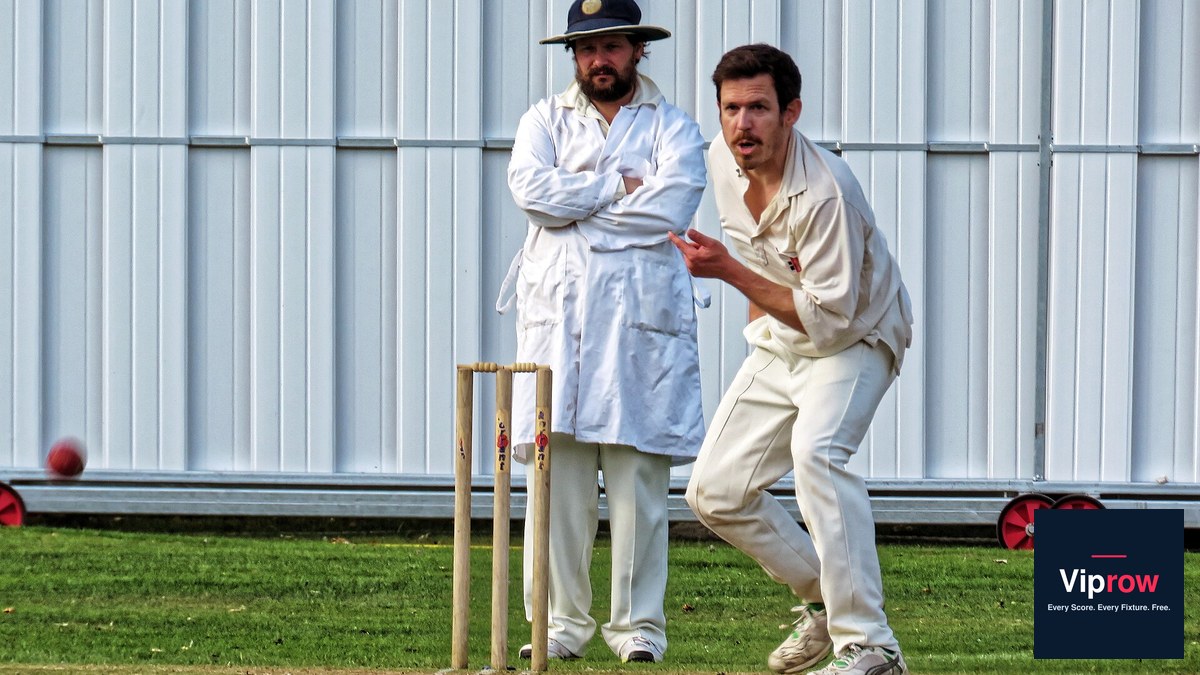
A full toss above waist height is one of the most dangerous forms of a cricket no-ball. Law 41.7 says a delivery passing above the waist of the striker standing upright at the popping crease is unfair and must be called a no-ball. Fast bowlers sometimes lose their grip, and the result is a beamer.
Umpires treat beamers with care because they can cause injury. A deliberate beamer can see the bowler suspended for the rest of the match. Even an accidental beamer costs a run and a free hit in white-ball cricket, so bowlers keep their full tosses low.
Fielder and Wicketkeeper Mistakes
A cricket no-ball is not always the bowler’s fault. If a fielder touches the ball before it reaches the striker, the umpire calls a no-ball. The same call applies if any part of a fielder is over the pitch first. Every fielder must be inside the boundary at delivery.
The wicketkeeper must be wholly behind the stumps when the ball is released. In the past, keepers were judged from the run-up, yet the current Law judges them only from release. This helps keepers who stand up to the stumps, but it still punishes one who creeps too far forward.
Why Fielding Rules Matter Here
Fielding rules shape every ball, not just no-balls. How many fielders may stand outside the ring changes with the format. Our guide to how cricket fielding works, with positions, catches and run outs explains the limits, and why the wrong spot can cost a run.
The One-Run Penalty and How a Cricket No-Ball Is Scored
Every cricket no-ball costs one run, added the moment the umpire calls it. It stays on the board even if the batter is then dismissed. The penalty is charged to the bowler and scored as a no-ball extra, not as runs for the batter.
Runs off the bat are added on top. A no-ball hit for four is worth five runs, and one hit for six is worth seven. Runs without bat on ball count as byes or leg byes. The ball does not count in the over, so the bowler must deliver an extra legal ball.
Worked Example (Illustration, Not a Real Match)
Picture this simple case, made up to show the scoring. A batter hits a no-ball for four. The board adds one penalty run plus four batting runs, so five runs go up. The over is not finished, as the no-ball did not count. Now picture the same ball with no bat on it, and two byes run. The total is then three runs.

Can a Batter Be Out Off a Cricket No-Ball?
A batter gains wide protection off a no-ball. Law 21.18 says a batter can be out in only three ways: hit the ball twice, obstructing the field, or run out. Every other dismissal is switched off. A batter cannot be bowled, caught, stumped, LBW, or hit wicket off a no-ball.
This rule leads to strange sights. A batter can be clean bowled and stay at the crease. A clear catch does not count either. The ball stays live, so the batters can still run, and their runs count. Our guide to how cricket LBW works explains the LBW rule in full, and LBW is one of the dismissals a no-ball blocks.
The Umpire’s No-Ball Signal
The umpire at the bowler’s end calls and signals the no-ball. The call is the word “no ball”, loud enough for players and scorers to hear. The signal is one arm held straight out to the side, at shoulder height. Scorers record the penalty at once, and the batting side knows the next ball is a free hit in white-ball cricket.
Both umpires share the work. The bowler’s end umpire watches the feet and the ball’s height. The striker’s end umpire watches the arm and can also call a no-ball for throwing. When the ball is dead, the bowler’s end umpire tells the other umpire why the call was made.
What Happens When the Signal Is Late
Sometimes an umpire calls a no-ball a fraction late. The call still stands, as the fault happened during the delivery. In televised games the third umpire can step in. If a wicket falls and the replay shows an overstep, the third umpire tells the on-field umpire to call the no-ball and cancel the wicket.
What Is a Free Hit in Cricket?
The free hit is the bonus that follows a cricket no-ball in limited-overs cricket. The delivery after any no-ball is a free hit, so the batter faces almost no risk of dismissal. This rule is not in the Laws of Cricket. It comes from the ICC playing conditions for one-day and T20 internationals, which most leagues copy.
The free hit arrived in one-day internationals in 2007. At first it followed only front-foot no-balls. From 2015 it has followed every type, so a beamer or a fielder fault earns a free hit like an overstep. The umpire signals it with one arm straight up, moved in a circle, right after the no-ball signal.
Where Free Hits Apply
Free hits apply in ODIs, T20 internationals, and most domestic white-ball competitions. They do not apply in Test cricket, where a no-ball brings only the one-run penalty. They also appear in super overs, the one-over shootout for tied games. Our guide to how cricket super overs work explains that tense format, where a no-ball is costly.
What Can Happen on a Free Hit
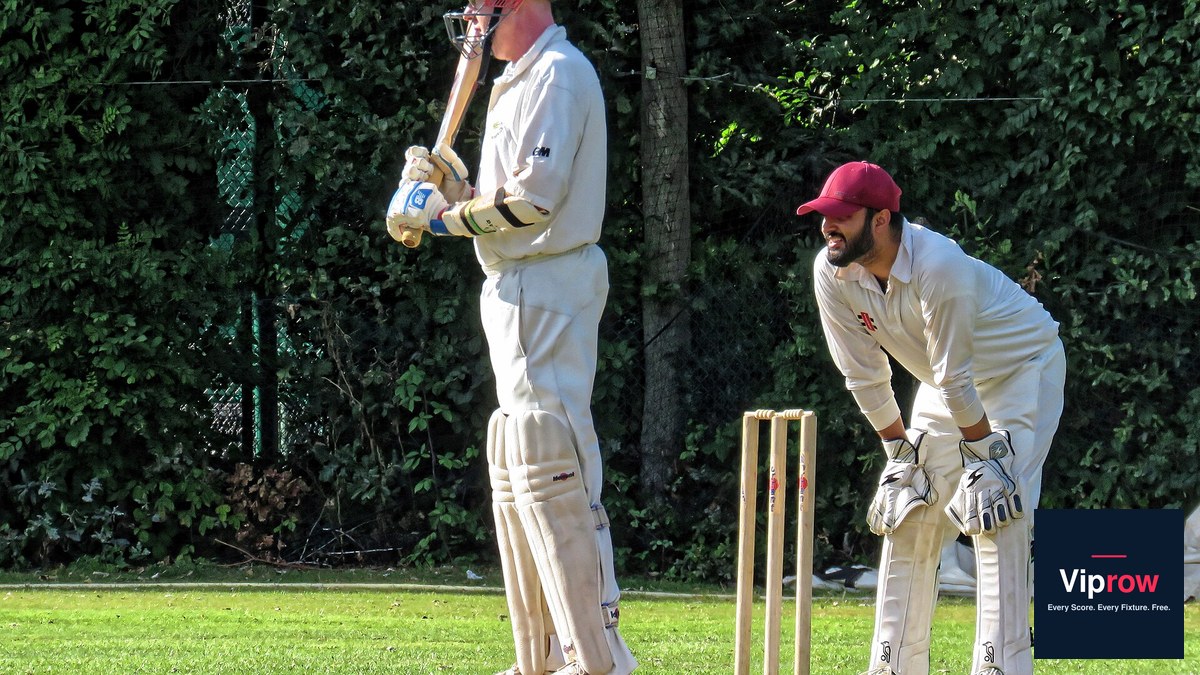
On a free hit, the batter can be out only as off a no-ball: run out, hit the ball twice, or obstructing the field. Bowled, caught, LBW, stumped, and hit wicket are switched off. If the ball hits the stumps, it stays live, and the batters can keep running. That is why batters swing with freedom.
The fielding side cannot change the field for a free hit, unless the striker has changed ends. Fielders must stay near where they stood. This stops the captain moving everyone to the boundary, so the gaps stay open.
If the Free Hit Ball Is Also Illegal
A free hit can chain into another. If the free-hit delivery is itself a no-ball, the next ball is a free hit too. If it is a wide, the free hit carries over, though a wide alone never earns one. Each illegal ball adds a penalty run. Our guide to how cricket run-outs work, with direct hits and third umpire reviews covers the dismissal that stays live on a free hit.
No Free Hit in Test Cricket
Test cricket has no free hit. In a Test, a no-ball still costs one run and must be re-bowled. The batter keeps the same protection from most dismissals. Yet the next ball is ordinary, with no bonus for the batter and no limit on field changes.
Test cricket is the long format, and its rules stay close to the Laws. The free hit is a playing condition for short formats, where every ball matters and crowds want big hits. The five-day game does not need it. An overstep in a Test costs one run, not a free swing.
Famous Cricket No-Ball Moments
The most famous recent cricket no-ball came at the Melbourne Cricket Ground on 23 October 2022, in the T20 World Cup match between India and Pakistan. India needed 16 from the final over, bowled by Mohammad Nawaz. With 13 needed from three, Nawaz bowled a high full toss, and Virat Kohli hit it for six. The umpire called a no-ball for height, so six were needed from three balls.
The next ball showed why the free hit matters. Kohli missed, the ball hit the stumps, and the batters ran three byes, because a batter cannot be bowled on a free hit. India won by four wickets off the last ball, with Kohli unbeaten on 82 from 53 balls. One no-ball had turned a lost game into a famous win.
How Bowlers Avoid a Cricket No-Ball
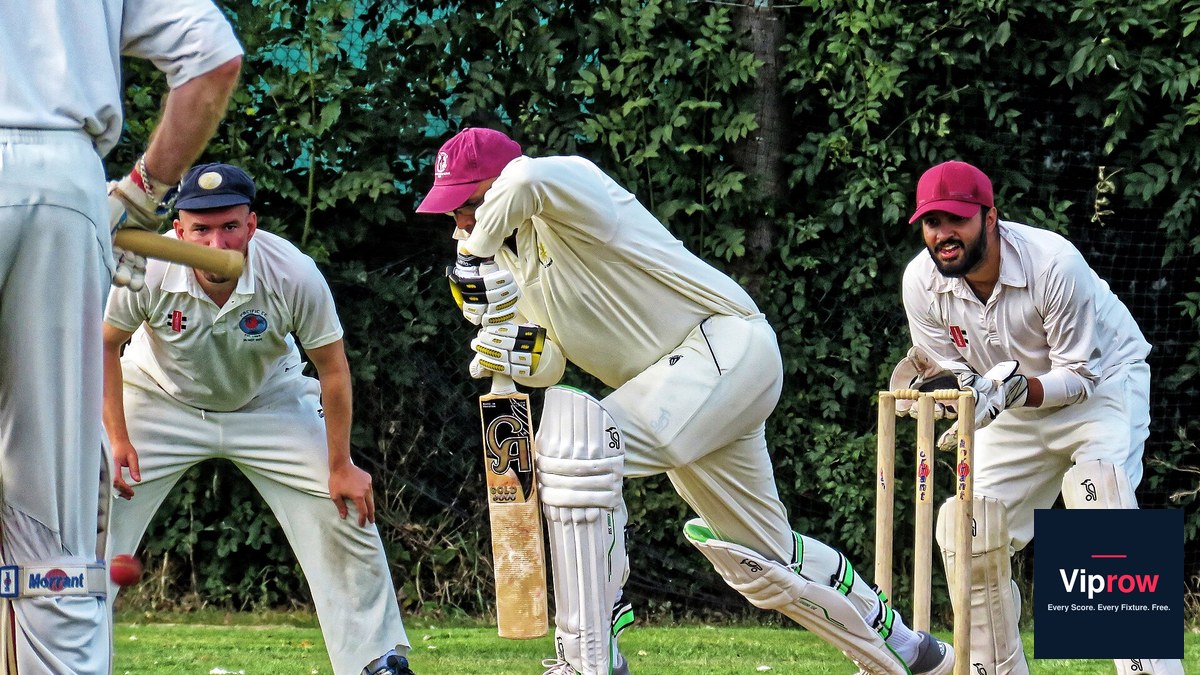
Bowlers avoid a cricket no-ball by training the same habit daily. Fast bowlers mark their run-up with care, so the front foot lands behind the line. They check the mark before each spell, and shorten the run-up if the foot creeps forward. In nets they practise landing in the same spot until it feels automatic.
Slower bowlers face a different risk, as their faults are often beamers. They work on a smooth release and a full follow-through, so the ball does not slip out high. Captains help by setting fields to match the plan. Powerplay rules also limit how many fielders stand outside the ring. Our guide to how cricket powerplays work, with fielding rules, overs and strategy explains those limits in full.
A cricket no-ball is a small fault with large effects. It gives away a run, forces an extra ball, and in white-ball cricket hands the batter a free hit. Now you know the types, the penalty, the signal, and the free hit rules. Watch the front foot at the next match, and you will spot every cricket no-ball as it happens.