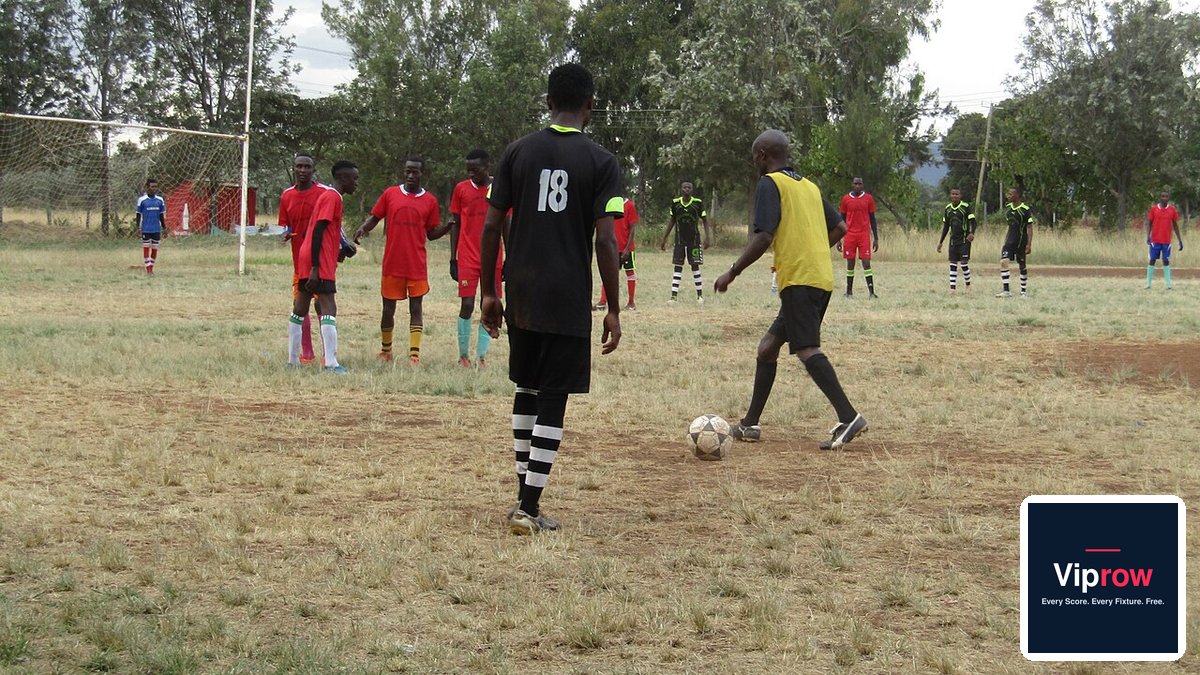
Football free kicks can change a match in a single second. A well-struck kick can bend over a wall and into the top corner, while a poor kick wastes a golden chance. Yet many fans still feel unsure about the rules. Can a team score straight from the kick? Why does the referee raise an arm sometimes? And how far back must the wall stand? This guide answers those questions in plain English, so you can follow every football free kick with confidence.
What Is a Football Free Kick?
A free kick is a way to restart play after a foul or another offence. The referee stops the game and awards the kick to the team that suffered the foul. Play restarts from that kick. In short, it is a free pass or shot. However, the kick is not always a shot at goal. In fact, most free kicks are short passes that restart play quickly.
Teams use free kicks to keep the ball, switch play, or launch an attack. As a result, the free kick is one of the most common restarts in football. Every match has several of them. The rules for all of them sit in Law 13 of the Laws of the Game. The IFAB writes and updates those Laws.
Football Free Kicks: Direct vs Indirect at a Glance
Every football free kick is either direct or indirect, and the difference is simple but vital. From a direct free kick, the taker can score straight into the opponents’ goal without the ball touching anyone else. From an indirect free kick, the ball must touch another player before a goal can count. If an indirect kick goes straight in, the goal does not count, and the defending team gets a goal kick.
That single rule changes how teams set up. A direct kick near the penalty area is a shooting chance. An indirect kick in the same spot is a passing move. The type also depends on the offence. Serious fouls, such as a reckless tackle, bring a direct free kick. Less serious offences bring an indirect free kick.
When Does the Referee Award a Direct Free Kick?
The referee awards a direct free kick when a player commits a direct free kick offence. Law 12 lists those offences, and they all involve unfair physical play. For example, a direct free kick follows a trip, a push, a hold, or a strike. It also follows a tackle that hits the opponent before the ball. A handball offence by an outfield player also brings a direct free kick. A reckless challenge can bring one even if the tackle wins the ball.
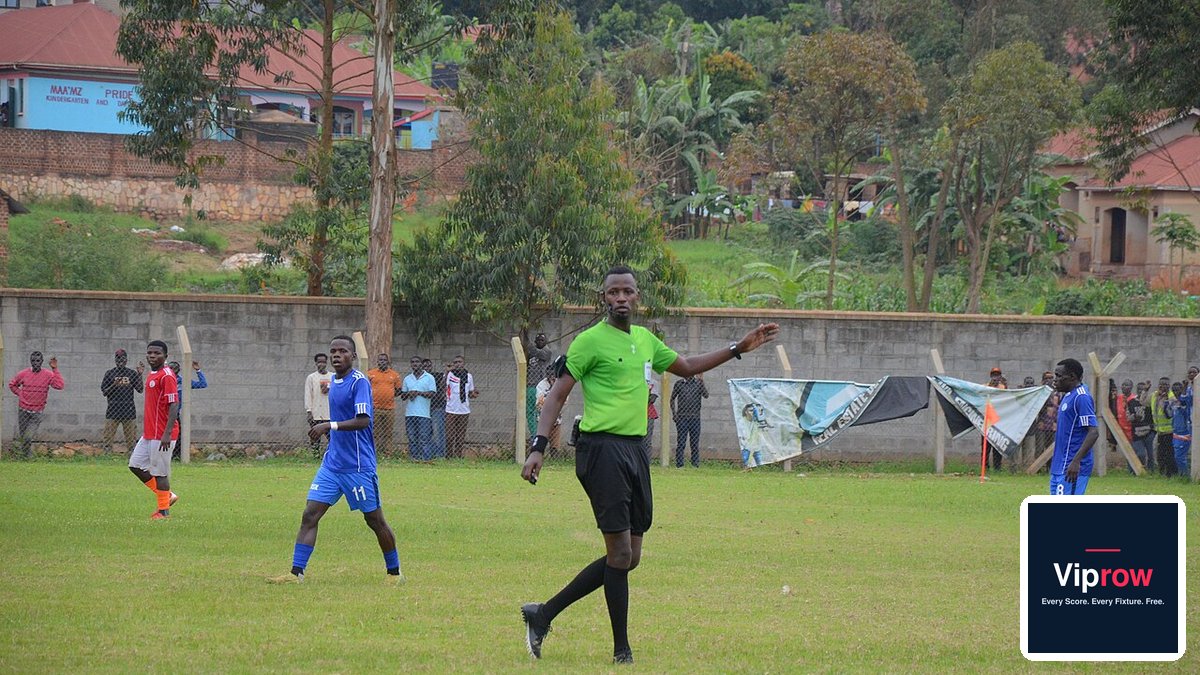
However, not every contact is a foul. Football is a contact sport, so fair shoulder challenges and clean tackles are legal. If the foul happens inside the offender’s own penalty area, the restart is not a free kick at all. Instead, the referee awards a penalty kick. That is why the position of the foul matters so much.
When Does the Referee Award an Indirect Free Kick?
Indirect free kicks follow a different set of offences, and they usually involve no direct physical foul on an opponent. Instead, they punish technical breaches and dangerous play. For example, the referee awards an indirect free kick when a player plays in a dangerous manner. A high foot near an opponent’s head counts as dangerous play. The same restart follows when a player blocks an opponent without touching the ball.
An indirect free kick also follows when a goalkeeper handles the ball after a deliberate back pass. It also follows when the goalkeeper holds the ball for more than six seconds. Offside also restarts with an indirect free kick, and so does play after dissent. These kicks often happen close to goal. Attackers use clever routines, such as a short touch and then a shot.
The Referee’s Signal: How to Tell a Football Free Kick Is Indirect
The referee shows the type of kick with a clear arm signal. For an indirect free kick, the referee raises one arm straight above the head. The referee keeps it up until the taker takes the kick and the ball touches another player. The arm also stays up until the ball goes out of play or clearly cannot go straight in. If you see the raised arm, the kick is indirect. If the arm stays down, the kick is direct.
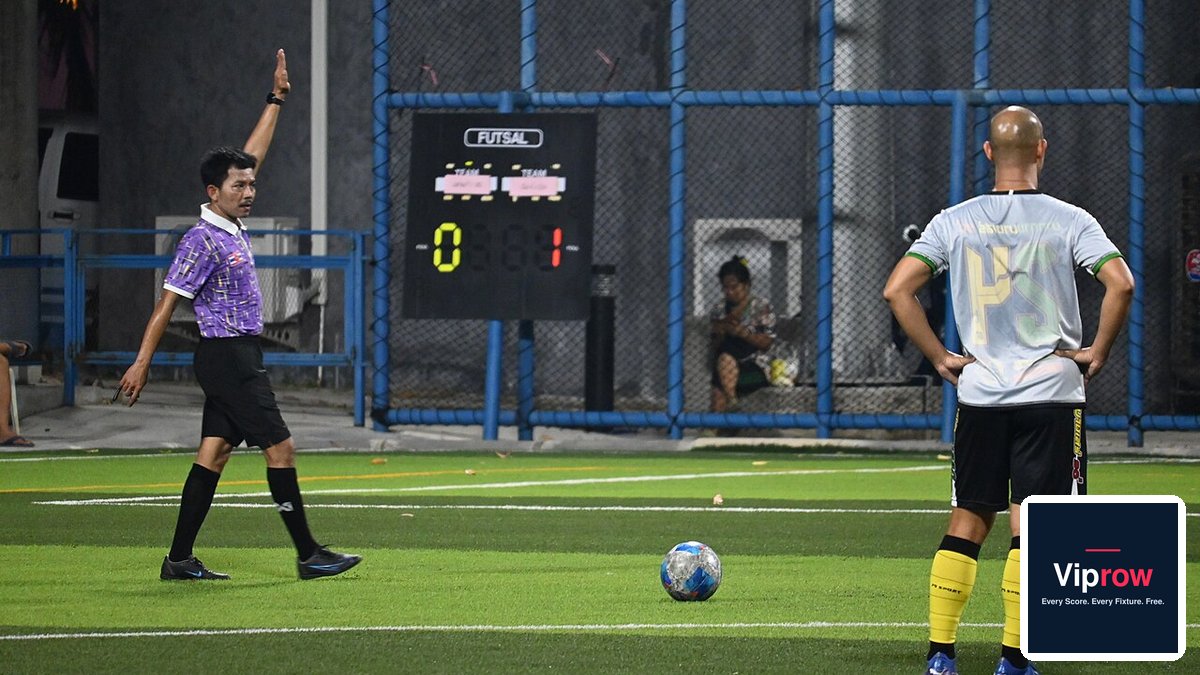
The signal matters. A team that shoots straight from an indirect kick will not score, no matter how good the shot is. If the ball goes straight into the goal, the referee awards a goal kick to the defending team. If the referee forgets to raise the arm and the ball goes straight in, the teams must retake the kick.
Where Is the Free Kick Taken From?
A team normally takes a free kick from the place where the offence happened. However, there are important exceptions. An indirect free kick inside the opponents’ goal area starts from the goal area line. The attacking team takes the kick from the nearest point on that line. That line runs parallel to the goal line. If the defending team wins a free kick inside its own goal area, the team can take it from anywhere inside that area.
The ball must be still when the taker takes the kick. The kicker must not touch the ball a second time until another player has touched it. If the ball is rolling, the referee can ask for a retake. If the kicker touches it again too soon, the other team gets an indirect free kick. These rules keep restarts fair and stop teams from gaining an unfair edge.
The 9.15 Metre Rule: How Far Back Must Opponents Stand?
Opponents must stand at least 9.15 metres from the ball until the taker takes the kick. That distance equals 10 yards, and it is one of the most famous numbers in football. Referees often pace out the distance or use vanishing spray to mark it. The rule applies to every free kick, direct or indirect. However, there is one exception. If an opponent stands on their own goal line between the goalposts, they can stand closer.
For free kicks inside the opponents’ penalty area, opponents must stay outside the penalty area. They must wait until the ball is in play. If an opponent stands too close when the taker takes the kick, the referee can order a retake and show a yellow card to a player who deliberately blocks a quick restart.
The Wall: How Defenders Set Up at Football Free Kicks
The wall is a line of defenders who stand between the ball and the goal. It blocks the direct path to goal and forces the taker to shoot around or over it. The goalkeeper organises the wall and decides how many players to use. The goalkeeper then stands on the other side, ready to save a shot that curls around it. The wall normally stands 9.15 metres from the ball, like any opponent.

Players in the wall stand shoulder to shoulder and jump together as the taker takes the kick. They must not use their arms to make the wall wider, since that can be handball. Since 2019, attackers must stay at least one metre from a wall of three or more defenders. If an attacker stands closer than one metre when the taker takes the kick, the defending team gets an indirect free kick.
How Takers Beat the Wall
Takers beat the wall with curl, power, or a low shot. A curling strike bends around the wall, and a powerful shot flies over it. A low shot can pass under it if the wall jumps. The wall must jump as one unit. If one player jumps late, a gap opens, and that gap is all a good taker needs.
Can You Score Directly From a Football Free Kick?
Yes, you can score directly from a direct free kick. If the ball goes straight into the opponents’ goal, the goal counts. From an indirect free kick, however, you cannot score directly. The ball must touch another player first. If it does not, the goal does not count, and the defending team gets a goal kick.
There is one more twist. If a direct or indirect free kick goes straight into the taker’s own goal, the opponents get no goal. Instead, the opponents get a corner kick. That rule stops a team scoring an own goal from its own free kick. These rules sit in Law 13. You can read the full official text on the IFAB Laws of the Game website.
Quick Free Kicks and the Advantage Rule
A team does not always have to wait for the referee to set the wall. If the referee has not stopped play for a card, the attacking team can take a quick free kick. Opponents may still be getting back. If an opponent less than 9.15 metres away intercepts the ball, the referee lets play continue. However, the referee can show a yellow card to a player who deliberately blocks a quick free kick.
Quick free kicks work best when the defence is out of shape. A fast pass can release a winger or a striker before the defence settles. But the move needs discipline: if the pass is poor, the chance disappears and the defence can regroup.
Offside, the Second Touch and Other Football Free Kick Rules
Several other rules shape what happens at a free kick. First, there is no offside offence directly from a free kick. No one can flag a player offside if they receive the ball straight from the taker. However, offside can apply after the next touch. For a plain-English guide to that rule, read our explainer on how the offside rule works in football.
Second, the kicker must not touch the ball again until another player has touched it. Third, the rules allow feinting, so a player can pretend to take the kick and confuse the wall. Finally, if the kicker deliberately kicks the ball at an opponent to play it again, play can continue. That applies as long as the kick is not careless or reckless.
How Teams Practise Football Free Kicks
Free kicks look like moments of magic, but they come from hours of practice. Takers repeat the same strike again and again until the curl, power and placement feel natural. They practise from different angles and distances, since every free kick is different. Defenders also practise the wall. They learn to stand together, jump together, and hold their line, while the goalkeeper practises positioning and communication.

Teams also practise routines. Teams plan these moves for indirect free kicks and for direct kicks too far to shoot. One player touches the ball, another runs across the wall, and a third shoots. Routines need timing, so teams rehearse them until each player knows their job. Analysts also study rival takers and walls, and that knowledge shapes the plan for the next match.
Famous Football Free Kick Moments
Some free kicks have become part of football history. In October 2001, David Beckham scored a famous free kick for England against Greece at Old Trafford. The goal came in stoppage time and sent England to the 2002 World Cup. In June 1997, Roberto Carlos scored an astonishing free kick for Brazil against France in the Tournoi de France. The ball bent in a wide curve in the air.
In December 1998, Sinisa Mihajlovic scored a hat-trick of direct free kicks for Lazio against Sampdoria in Serie A. Three free-kick goals in one match is a rare feat. These moments share one thing: the takers had practised for years. A single kick can decide a match, a league position, or a place at a World Cup. To see how those fine margins shape a season, read our guide to how the Premier League table works.
Football free kicks are simple once you know the core rules. A player can score from a direct free kick straight away. An indirect free kick must touch another player first. The referee shows an indirect kick by raising an arm. Opponents must stand 9.15 metres back, and attackers must stay one metre from a wall of three or more defenders. If you want to understand the wider laws, learn how VAR works in football and how officials check key decisions. Then read how football penalty shootouts work for the other great dead-ball drama. Also learn how football extra time works to learn what happens when a match stays level.
2 thoughts on “How Football Free Kicks Work: Direct, Indirect and the Wall Explained”