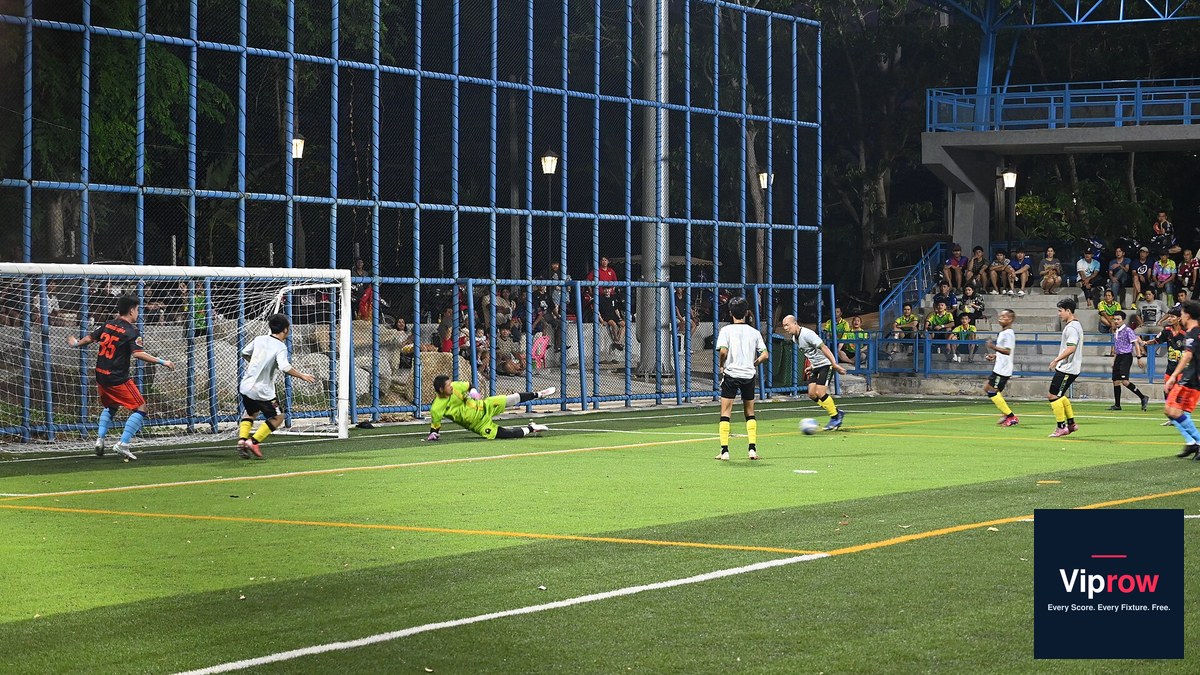
A football goalkeeper has one of the hardest jobs on the pitch. In short, one mistake can cost a goal, and one great save can win a match. Therefore, fans often remember the keeper long after the final whistle. This guide explains it in plain words.
What a Football Goalkeeper Does
A football goalkeeper is the last line of defence. Their main job is simple to state but hard to do. They must stop the ball from crossing their own goal line. Therefore, they guard a goal that is 7.32 metres wide and 2.44 metres high. In addition, they watch the whole game from behind their defence and shout orders to their team-mates.
The Basic Rules Every Fan Should Know
Every team plays with one goalkeeper at a time. In addition, the keeper must be easy to spot. The Laws say each goalkeeper must wear colours that stand out from the other players and the match officials. However, the keeper is still a normal player in most other ways. They can score goals, they can be booked, and they can be sent off.
Why the Kit Must Look Different
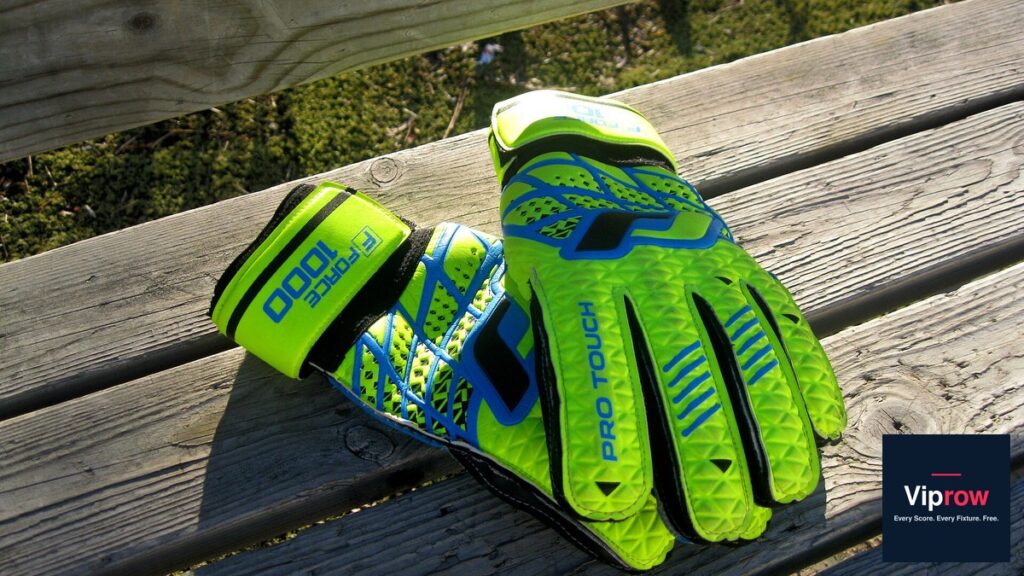
The kit rule exists for a clear reason. In a crowded penalty area, the referee must know in a split second who may use their hands. Therefore, a distinct shirt colour helps everyone on the pitch. As a result, bright colours are not just fashion. They are part of the Laws.
Where a Goalkeeper Can Use Their Hands
A goalkeeper may handle the ball only inside their own penalty area. That area stretches 16.5 metres from each goalpost and 16.5 metres out from the goal line. Therefore, the keeper has a large box in which to catch, punch, or hold the ball. However, one step outside changes everything. Outside the box, the keeper has the same handling limits as any other player. The full handling rules sit in IFAB Law 12, which also covers fouls and misconduct for every player.
The Time Limit for Holding the Ball
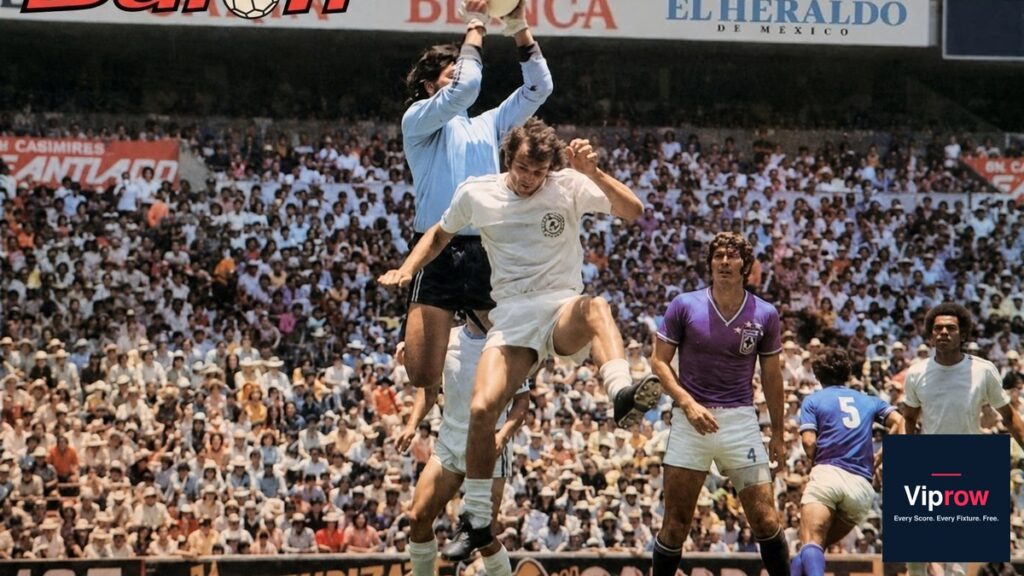
For many years, fans knew the rule as the six-second rule. Under the old wording, a goalkeeper who held the ball for more than six seconds gave away an indirect free kick. However, referees rarely enforced it. Therefore, keepers often held the ball far longer to waste time. As a result, the rule makers decided to change it.
In March 2025, The IFAB agreed a new limit for the 2025-26 Laws. The keeper now has eight seconds, not six. If the keeper holds the ball for more than eight seconds, the other team gets a corner kick. In short, the old six-second rule is now history, and the eight-second rule has taken its place.
What Counts as Control of the Ball
Control has a clear meaning in the Laws. A keeper is in control when the ball is between their hands, or between a hand and a surface such as the ground or their own body. For example, bouncing the ball on the ground or throwing it in the air also counts. However, a ball that rebounds off the keeper after a save does not count as control.
The Back-Pass Rule Explained
The back-pass rule stops teams from wasting time with easy passes to the keeper. Under the rule, a keeper may not handle the ball after a team-mate has deliberately kicked it to them. In addition, the keeper may not handle the ball straight from a team-mate’s throw-in. However, the rule only covers deliberate kicks with the foot. A header, a chest pass, or a knee pass back to the keeper is allowed. Fans who want the full picture can read our guide to how football free kicks work, direct, indirect and the wall.
There is also a trick rule that stops players from cheating the back-pass rule. A player may not flick the ball up with their foot and then head it back to the keeper on purpose. In addition, the keeper is punished if they start such a trick themselves. Therefore, the referee awards an indirect free kick and cautions the player who began the trick. However, a genuine failed clearance is different. If the keeper clearly tries to kick the ball into play and the kick fails, they may then handle it.
How Goalkeepers Make Saves
Saving shots is the skill every fan notices first. However, a save is not just about diving. In addition, the keeper must read the shot early. For example, they watch the striker’s body shape, the run-up, and the angle of the foot. As a result, they can guess the direction before the ball leaves the boot. However, guessing wrong can leave the goal open.
Catch, Parry or Punch
Each choice has a clear trade-off. A catch gives full control but needs soft hands and a clean line to the ball. In addition, it stops the attack at once. However, a parry keeps the ball in play. As a result, the keeper must push it wide of the goal and away from attackers. A punch clears the ball far but gives it back to the other team. Therefore, keepers punch only when a catch is too risky.
Positioning and Reading the Game
Positioning is the quiet skill that makes saves look easy. A keeper who stands in the right place covers more of the goal. Therefore, they do not need a huge dive. In addition, good positioning starts before the shot. For example, the keeper moves with the ball as it travels across the pitch. As a result, they stay in line with the ball and the centre of the goal. In short, the keeper’s feet never stop moving, even when the ball is far away.
The Starting Position
The starting position depends on where the ball is. When the ball is near the keeper’s goal, they stand close to the line and ready to react. In addition, they stay on their toes with knees bent and hands forward. However, when the ball is far away, the keeper steps a few yards off the line. As a result, they can sweep up a long ball or claim a cross.
Narrowing the Angle
Narrowing the angle means making the goal look smaller to the shooter. The keeper does this by stepping towards the ball and staying in line with it. In addition, they keep their body square to the shot. However, a keeper who steps out cuts off one side. As a result, the striker has less space to hit. Therefore, even a small step forward can change the outcome.
Crosses, Corners and High Balls
Crosses test a keeper in a different way from shots. The ball arrives high, fast, and into a crowd. Therefore, the keeper must decide in a second whether to come for it or stay on the line. In addition, they must judge the flight of the ball through a busy box. However, a wrong call can be costly. A keeper who comes and misses leaves an open goal.
Penalties and Penalty Shootouts
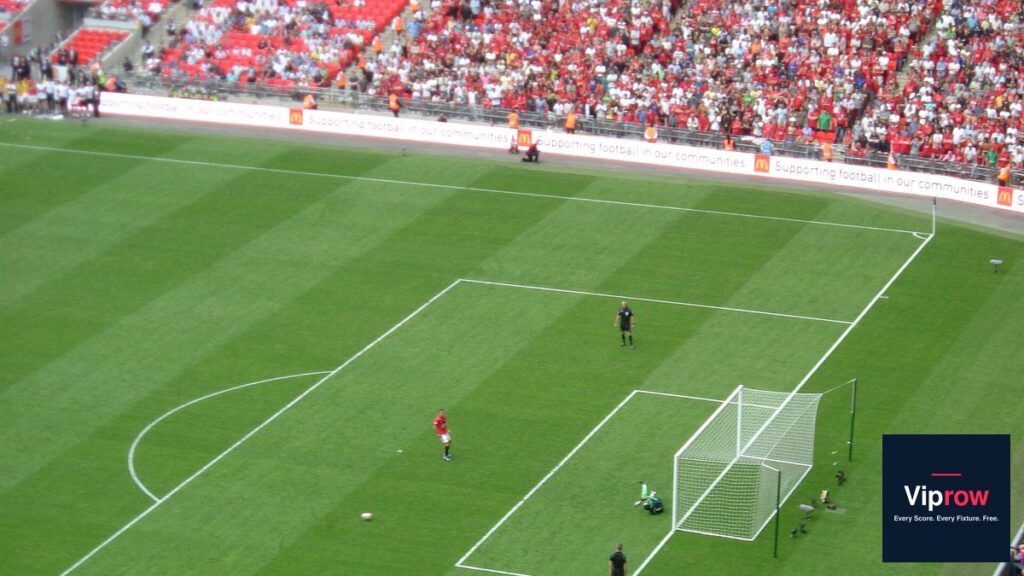
A penalty is the hardest single test for a goalkeeper. The kick is taken from 11 metres, and the keeper must stay on the goal line until the ball is kicked. In addition, they must have at least part of one foot touching, in line with, or behind the goal line when the kick is taken. As a result, the kicker has a big advantage. Fans who want the full shootout rules can read our guide to how football penalty shootouts work, rules, order and sudden death.
The Rules for the Goalkeeper at a Penalty
The penalty rules are clear and simple. The keeper must face the kicker and stand between the posts. In addition, they must not touch the goalposts, the crossbar, or the net before the kick. However, the keeper may move along the line and jump in place. As a result, they can stay loose and ready. Therefore, the best keepers use small steps and a low, balanced stance.
In a shootout, the pressure grows even higher. Each kick can decide who goes through and who goes home. In addition, the keeper may also have to take a kick themselves if the shootout goes deep. The keeper must save at least one kick to give their team the edge. The offside rule can also shape these moments, so fans can read our plain guide to how the offside rule works in football for the full picture.
Distribution and Playing Out From the Back
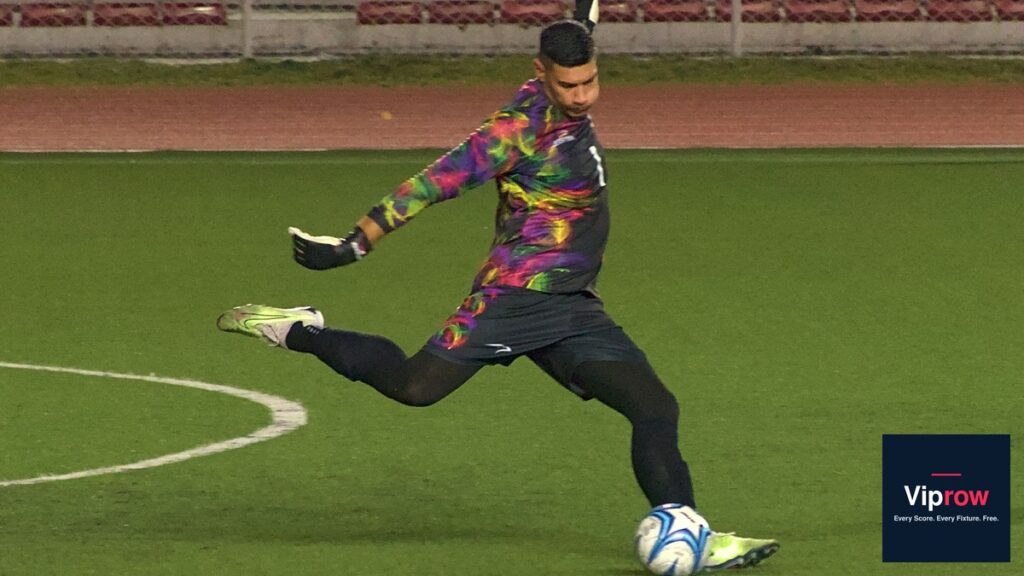
Distribution is how the keeper starts attacks. After a save or a goal kick, the keeper must get the ball to a team-mate safely. In addition, modern teams often build from the back with short passes. As a result, the team keeps the ball and moves up the pitch together. A loose pass near the goal can hand the other team a chance. Therefore, the keeper needs good feet and a cool head.
Throws, Kicks and Goal Kicks
Each type of distribution suits a different moment. A quick throw starts a fast break when the other team is out of shape. In addition, a long throw can find a full-back in space. However, a long kick is better when the team wants to clear danger. As a result, the keeper must pick the right option fast. Therefore, the keeper and the defenders must agree on the plan before the kick.
The Sweeper-Keeper
The sweeper-keeper is a modern style that changed the job. Instead of staying on the line, the keeper comes far out to sweep up long balls behind the defence. As a result, the team can push its defence high up the pitch. However, this style needs speed and smart judgement. A keeper who comes out and misses leaves an open goal. Therefore, only keepers with great pace and reading of the game can play this way.
Fouls, Cards and Punishments for Goalkeepers
Goalkeepers can commit fouls just like any other player. A keeper who handles the ball inside their own area when not allowed to do so gives away an indirect free kick, with no card for that offence alone. Therefore, the punishment fits the place and the act. Fans who want the full card rules can read our guide to how yellow and red cards work in football. Video checks can also change a keeper’s fate, as our guide to how VAR works in football, checks, decisions and controversies explains.
When a Goalkeeper Can Be Sent Off
A keeper can be sent off for the same serious offences as any player. In addition, serious foul play or violent conduct brings a red card. However, there is one key exception. A keeper who handles the ball inside their own penalty area cannot be sent off for that handball alone. As a result, the punishment is an indirect free kick, not a red card. Therefore, the Laws treat the keeper’s hands inside the box as a special case.
Fans can also read our guide to how goal-line technology works in football to see how the system decides whether the ball crossed the line.
Famous Goalkeepers, Records and a Final Word
Some goalkeepers stand out because their records still lead the game. For example, Petr Cech holds the Premier League record for the most clean sheets, with 202 in 443 games for Chelsea and Arsenal. Edwin van der Sar holds another famous record. He went 1,311 minutes without conceding a league goal for Manchester United in the 2008-09 season. Therefore, his run of 14 straight clean sheets remains one of the great feats in English football.
Iker Casillas won the World Cup with Spain in 2010 and kept 57 clean sheets in the Champions League, more than any other keeper at the time of that count. Lev Yashin stands apart from them all. He remains the only goalkeeper ever to win the Ballon d’Or, which he won in 1963. In addition, the Yashin Trophy for the world’s best goalkeeper is named after him. Therefore, his name still defines the position today.
In the end, the goalkeeper’s job is simple to watch and hard to master. They guard a goal that is far wider than any one person can cover. However, they do it with rules, skill, and courage. In addition, they must know the handling laws, the time limit, and the back-pass rule. As a result, the best keepers mix sharp hands with a calm mind. Therefore, the next time you watch a match, look past the goals and watch the keeper. In short, you will see the game in a new way.